


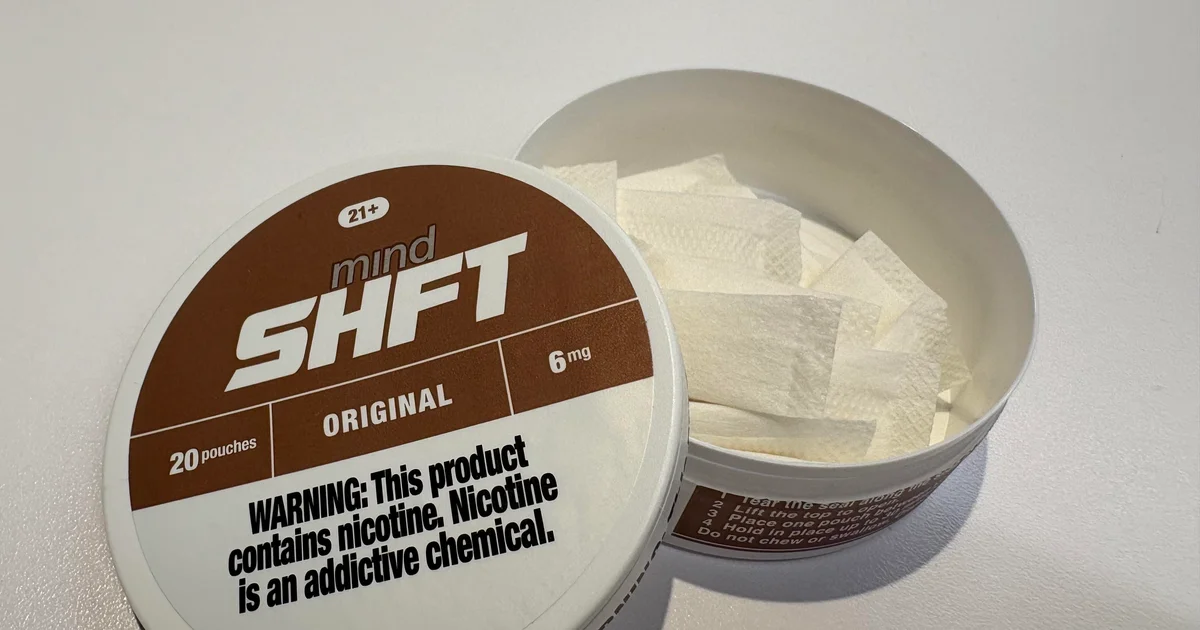
The US Bureau of Prisons has suspended the sale and purchase of flavoured nicotine pouches after concerns were raised that the product supplied to inmates had not been authorised by federal regulators.
The 6mg pouches, sold under the brand name mindSHFT, were being stocked in prison commissaries across the Bureau of Prisons’ 118 institutions. They were supplied exclusively by Florida-based SHFT Holdings Enterprise LLC, a company incorporated in May.
A senior prison official ordered all institutions to stop procuring the products in a memorandum dated September 3. The Bureau said the decision followed consultations with the Food and Drug Administration (FDA), while a review of existing stock continued.
“BOP began offering nicotine pouches through institution commissaries to combat the trafficking of contraband tobacco and nicotine products by criminal organisations inside federal prisons,” a Bureau spokesperson said.
“BOP has suspended all additional purchasing of these products until further notice while under review.”
The pause came after an anonymous federal employee complained to the Justice Department’s inspector general and Attorney General Todd Blanche, warning that the distribution of an improperly authorised or contaminated product could have serious consequences for prisoners in government custody.
No illnesses or adverse effects have been reported among people who may have used the pouches, according to a source familiar with the review.
Exclusive nicotine pouch deal under scrutiny
The arrangement had been authorised internally in July, when the Bureau informed federal prisons that SHFT Holdings Enterprise would be the sole approved supplier. Institutions were later advised to consider ordering three tins per inmate to maintain supplies.
SHFT charged the Bureau $6.99 (£5.20) per tin, while prisoners were charged $9.10. Some prisons placed orders worth between $3,000 and more than $28,000, according to internal sales records.
The Bureau did not issue a formal request for proposals for the supplier and does not appear to have a signed contract with the company, according to a person familiar with the arrangement. The business was incorporated shortly after the Bureau published a request for information seeking vendors able to provide “FDA-authorised nicotine pouch products”.
Kevin Mastaler, listed as SHFT’s main contact on government registration and sales records, said the company had responded through the publicly advertised process and had used “no channel unavailable to any other respondent”.
He also said SHFT had never claimed its products had already been authorised by the FDA. According to Mastaler, applications for two products had been submitted to and accepted by the regulator and were under review.
However, the FDA has said it has not authorised mindSHFT nicotine pouches. Its current list contains 43 nicotine pouch products that may lawfully be sold in the United States, but mindSHFT is not among them.
The FDA has stressed that even authorised nicotine pouches are not “FDA approved” or risk-free. The products contain addictive nicotine and are regulated as tobacco products.
Federal law prohibits the marketing and sale of new tobacco products without the necessary FDA authorisation. Lawyers specialising in food and drug regulation have said that products sold without authorisation may be legally classed as adulterated.
Andrew Goldfarb, a former Justice Department lawyer, said the regulator had made no determination that the product was suitable for protecting public health, including what ingredients it contained, where they came from or the conditions in which it was manufactured.
SHFT’s website describes its pouches as a healthier alternative to cigarettes and claims they deliver 95 per cent less harm than tobacco. Neither the website nor the packaging refers to FDA authorisation.
Concerns inside federal prisons
The sale of nicotine products has caused concern among current and former correctional officials. Tobacco and smoking-related products have been banned from federal prison commissaries since 2014, although the rule predates the commercial availability of nicotine pouches and does not explicitly address them.
One corrections official with 18 years’ experience in the federal system said he had never seen a directive authorising the sale of nicotine products to inmates.
Prisoners use trust fund accounts, often replenished by relatives, to buy goods and services including food, drinks, emails and telephone calls. Revenue from commissary sales goes into a revolving Bureau fund that is not supported by direct federal appropriations.
In a memo issued in May, Bureau director William Marshall said the trust fund was running at an annual loss of $23 million. The fund was later said to have returned to profitability, even without income from the nicotine pouch sales.
The Bureau said it was reviewing the products and had halted further purchases and sales while that process continued.
