


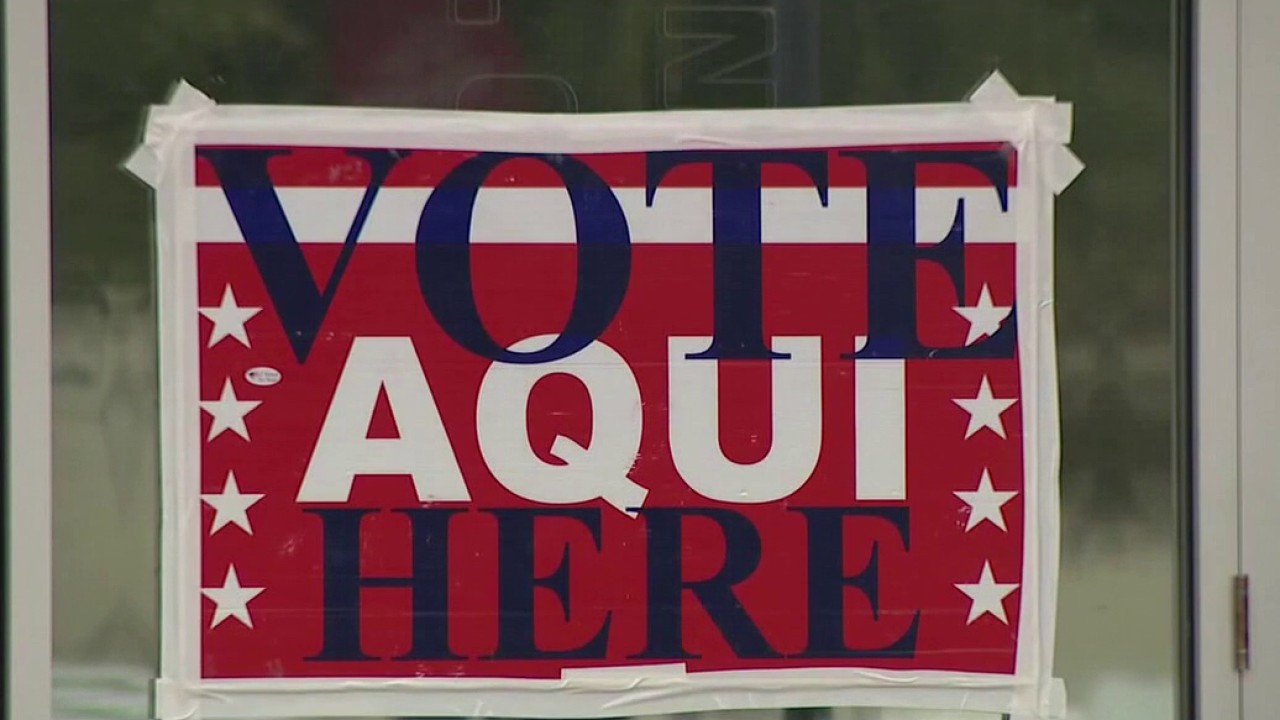
Latino voters are emerging as a potentially decisive force in the 2026 US midterm elections, with the rising cost of living and fears over immigration enforcement shaping political choices across the country.
A new report from Voto Latino indicates that financial pressures are weighing heavily on Latino families, particularly as the cost of everyday essentials continues to rise. The findings suggest that economic concerns could influence both party allegiance and turnout on 3 November.
Immigration enforcement is also expected to play a significant role. Anxiety over arrests, deportations and the wider reach of federal authorities may encourage some Latino voters who did not cast ballots in the 2024 presidential election to participate this year.
Hector Sanchez Barba, president and chief executive of Mi Familia Vota, discussed the implications for the electorate during a broadcast interview, including how recent actions by the US Department of Justice could affect Latino communities.
Cost of living and immigration shape Latino voters’ choices
Research published by the Pew Research Centre in October found that 86% of Latino registered voters considered the economy very important to their vote in the congressional elections. Immigration was also a major consideration, with 64% describing it as important to their decision.
The survey found widespread concern about household costs, including fuel and energy, housing, food, consumer goods and healthcare. It also reported that 62% of Latino voters believed the Trump administration was doing too much in its deportation efforts.
The Justice Department has intensified its focus on alleged non-citizen voting ahead of the election. In October, it filed a lawsuit against California after claiming that more than 20,000 people believed to be non-citizens had been registered to vote and sent postal ballots.
Federal prosecutors have also announced charges against people accused of illegally registering or voting. California officials have disputed the federal government’s allegations, while the state’s attorney general has said there is no evidence of widespread voter fraud.
Those developments have heightened concerns among voting-rights and Latino organisations that enforcement measures and disputes over voter eligibility could intimidate eligible voters. With control of Congress at stake, turnout among Latino voters who stayed home in 2024 could prove critical in closely fought races.
