


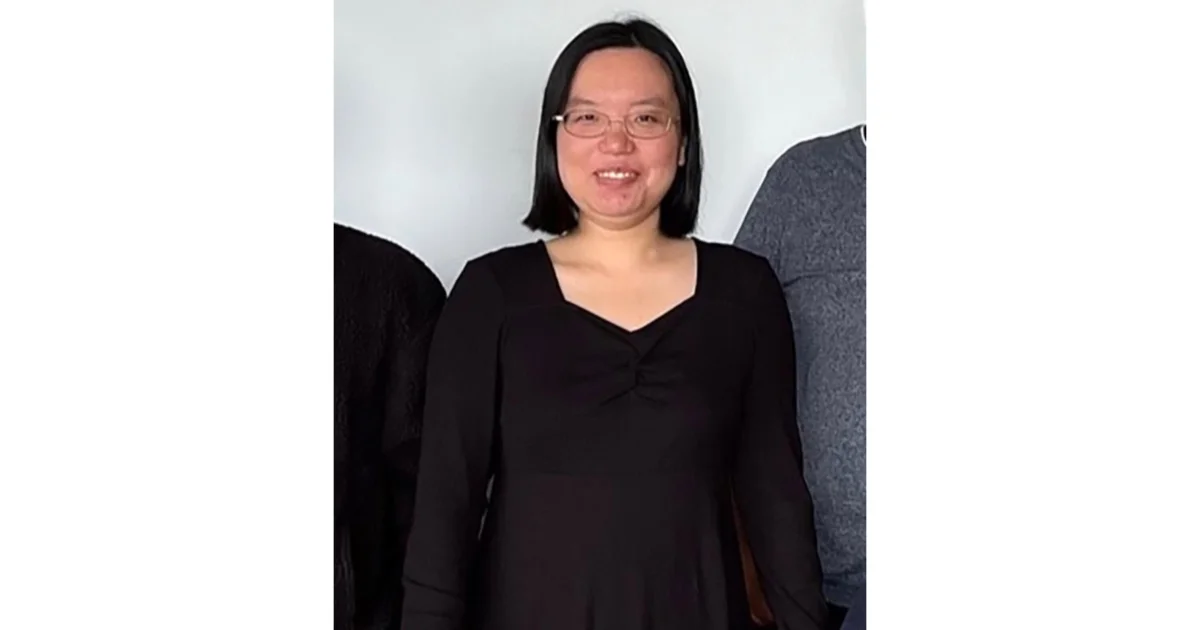
A Wyoming graduate student has been arrested over allegations that she poisoned a colleague’s tea with acrylamide before attempting to leave the United States, prosecutors say.
Aili Wang, 32, was detained at Los Angeles International Airport on 6 October as she allegedly tried to return to China. Police say she had several laptops, external storage devices, documents and other materials with her.
Wang, a microbiology student from China, faces a felony aggravated assault and battery charge in Wyoming. She remained in custody in Los Angeles without bail, while a judge in Albany County raised her bond to 1.5 million US dollars in cash.
Wyoming poisoning investigation
The investigation began after the alleged victim, identified in court documents as K.T., developed unexplained symptoms and noticed an unusual taste in tea brewed in a coffee maker at the University of Wyoming in Laramie.
His wife and others reportedly tested water from the machine and isolated 63 milligrams of white powder, which was identified as acrylamide. The sample was then handed to university police.
Acrylamide is a neurotoxin which can be produced when starchy food is cooked at high temperatures. It is also used in microbiology research involving proteins or DNA and can be acutely toxic in high doses.
Mark Gomelsky, the microbiology professor supervising both students, said the alleged victim had experienced tiredness, difficulty sleeping, tingling and numbness in his fingers, and weakness in his legs.
He continues to suffer problems including difficulty concentrating, fatigue and loss of sensation in his left hand, Professor Gomelsky said. “It’s been disheartening, to say the least, to see that one of your student’s life is in jeopardy and another student may be responsible for that,” he added.
“Acrylamide is a neurotoxin that cannot be neutralized so it stays in neurons and basically kills them. So it’s unclear if he’ll fully recover or not,” he said.
Police installed surveillance cameras in the shared office after the suspected poisoning came to light. According to an affidavit, Wang was recorded on 27 September going through K.T.’s desk.
On 1 October, she was allegedly filmed taking photographs and handling notebooks on his desk, then rinsing his mug with liquid from her own mug. Investigators say the pair did not get along and worked in different research areas.
Wang allegedly bought acrylamide twice through eBay during the summer and later asked the company to delete her account. During an interview with campus police on 5 October, she reportedly said she had not used the chemical for years.
Patent-pending research
The affidavit says K.T. was working on federally funded, patent-pending technology for treating cancer, neurological and genetic diseases. Wang was reportedly involved in similar research in China before moving to the US.
Professor Gomelsky described K.T. as a highly successful student from Vietnam. He said Wang had failed her first attempt to defend her dissertation and had become envious of her colleague’s work on using bacteria to deliver RNA into human cells.
Tak Sumaya, an assistant professor who helped identify the substance, said acrylamide would not normally be present in the coffee maker water in such a quantity. He also said Wang had photographed every page of a notebook left on K.T.’s desk.
Wang had not been carrying out laboratory work since June while completing her dissertation, Professor Gomelsky said. She had no lawyer listed in court documents, and attempts were made to contact her by email and through LinkedIn.
It was not immediately clear when Wang would be returned to Wyoming to face the charge, which carries a possible prison sentence of up to ten years and a fine of 10,000 US dollars.
