


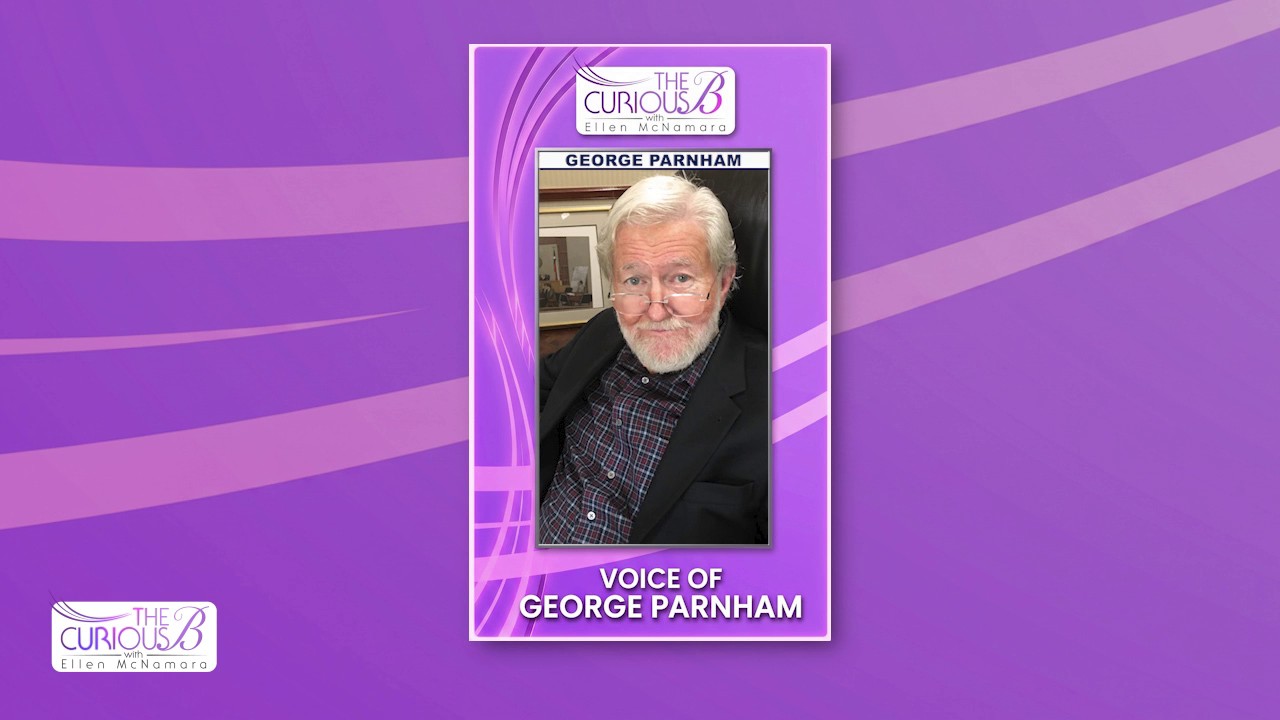
George Parnham, the lawyer who successfully defended Andrea Yates at her second trial, has drawn parallels between her case and the ongoing prosecution of Massachusetts mother Lindsay Clancy, saying jurors must try to understand the world as seen by a woman experiencing postpartum psychosis.
Speaking to FOX 10 Phoenix in an interview published on Monday, August 31, 2026, Parnham reflected on the Yates case and discussed the legal difficulties involved in cases where severe maternal mental illness is used to challenge criminal responsibility.
Yates drowned her five children in the bathtub of her Houston home on June 20, 2001. She was initially convicted of capital murder, but the verdict was later overturned after a prosecution psychiatrist gave false testimony. At a second trial in 2006, she was found not guilty by reason of insanity.
Parnham said he met Yates the day after the killings, after being hired by her family. He recalled seeing clear signs of an acute psychiatric crisis, including a bald patch on her head where she had tried to scratch away the number “666”, which she believed had been marked on her.
The lawyer has been following the trial of Clancy, who is accused of killing her three children in Duxbury, Massachusetts, on January 24, 2023. Her lawyers do not dispute that she strangled five-year-old Cora, three-year-old Dawson and eight-month-old Callan, but argue that she was suffering from postpartum psychosis and should not be held criminally responsible.
Clancy then attempted to take her own life and was left paralysed from the waist down. Prosecutors say she knew what she was doing and deliberately sent her husband out of the house before carrying out the killings.
Parnham rejected the suggestion that arranging for a partner to be away necessarily proves a defendant was acting rationally.
“Just because the mother waits for the husband or father to leave doesn’t necessarily mean she’s not in a psychotic break,” he said.
He argued that a woman experiencing psychosis may believe she is acting to protect her children and may understand that someone close to her would try to intervene. In his view, the central question for jurors is not simply what happened, but how the defendant understood her actions at the time.
“The whole issue” is getting jurors to view the mother and her conduct “through her eyes”, Parnham said.
Postpartum psychosis and criminal responsibility
Parnham also said he would be reluctant to put a defendant accused of killing her children on the witness stand. He warned that prosecutors could use apparently logical answers during cross-examination to argue that the mother understood what she was doing.
Instead, he said, the defence must examine whether there was any motive beyond mental illness, such as revenge against a spouse, before focusing on the defendant’s psychiatric state.
The 12-member jury in the Lindsay Clancy trial had completed three days of deliberations without reaching a verdict by Monday evening. The panel is due to resume discussions on Tuesday, September 1.
Clancy could be convicted of murder or manslaughter, or acquitted on the grounds that she lacked criminal responsibility because of psychiatric illness. A murder conviction could result in life in prison without parole, while an acquittal on mental-health grounds could lead to confinement in a state psychiatric facility.
Yates remains at Kerrville State Hospital in Texas, where Parnham says she continues to receive treatment and often chooses to waive her annual opportunity to seek release.
