


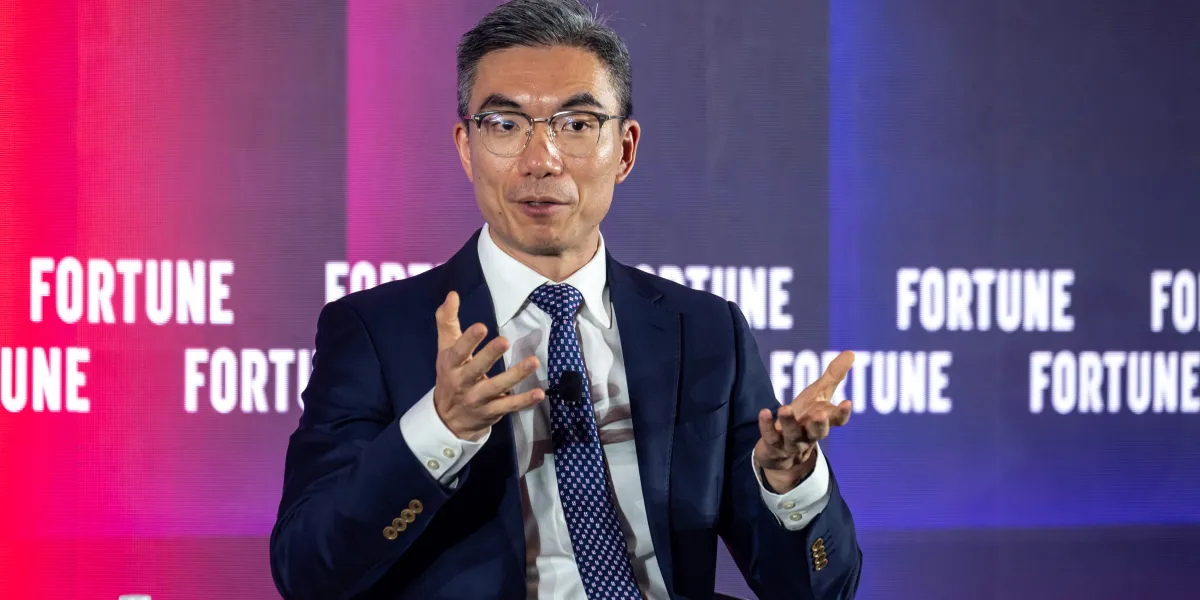
Southeast Asian countries should not automatically copy the US healthcare model as they expand services and face rising costs, Li Zhong, Asia-Pacific president of Walgreens Boots Alliance, has said.
Speaking at the Southeast Asia 500 Summit in Ho Chi Minh City on November 3, Li contrasted US spending of about 17% of gross domestic product, or $5.6 trillion, with Vietnam’s 4.6% allocation. He said Americans generally had long lifespans but shorter healthspans than people in Vietnam.
“Everyone loves to reference the U.S., since it has been able to come up with the most advanced therapies to extend life,” Li said. “It saves your life, but it’s not very healthy. That’s not what I would suggest for Southeast Asia.”
The region is developing its health systems as specialist doctors remain in short supply and several countries experience rapidly ageing populations. Thailand, Malaysia, Singapore and Indonesia are among those facing a growing incidence of chronic disease linked to the demographic shift.
David Utama, president director of Indonesia’s largest private hospital chain, Siloam Hospitals, said the shortage of specialists was already placing pressure on the system.
Indonesia has about 0.2 specialists for every 1,000 people, compared with approximately 0.5 in Malaysia and Thailand and 1.2 in Singapore, he said.
Community care expands across Southeast Asia
Healthcare operators are increasingly turning to services closer to where patients live. IHH Healthcare, which is headquartered in Singapore and Malaysia, operates more than 50 primary care clinics through its Parkway Shenton network, alongside ambulatory, diagnostic and rehabilitation facilities in residential areas.
Siloam Hospitals operates about 41 hospitals across Indonesia and is developing an additional network of primary care clinics. Its website lists 25 clinics across Palembang, Jakarta, Bali and Surabaya.
Li said pharmacies could also take on a larger role in routine care, pointing to the NHS Pharmacy First scheme in England. The programme allows patients to receive clinical assessments and treatment for seven common conditions at participating Boots pharmacies without first booking a GP appointment.
“It’s more cost-efficient to utilize community healthcare centers and pharmacies to help with everyday healthcare,” Li said. “But that’s on the condition that we have to get our [pharmacists] well-trained.”
Both executives said cooperation between governments and private healthcare companies, alongside emerging technology, would be important in making care more affordable and accessible.
“Patient-centric healthcare requires a collaboration between governments and the private sector,” Utama said. “Who has access, who has scale, [it’s] obviously the government… but the private sector helps to build capability, innovation and speed.”
Siloam Hospitals has been investing in enterprise AI since late 2025. Utama said its foundational platform was due to be completed by the end of this year, with the company then looking to develop digital twins for patients, doctors and hospitals.
He said data analysis was already helping intensive care units predict when a patient might deteriorate. “Today, in our ICUs, because of the data analysis we do, we can predict 30 minutes before a patient drops. Previously, we could only react 30 minutes after a patient dropped,” Utama said.
