


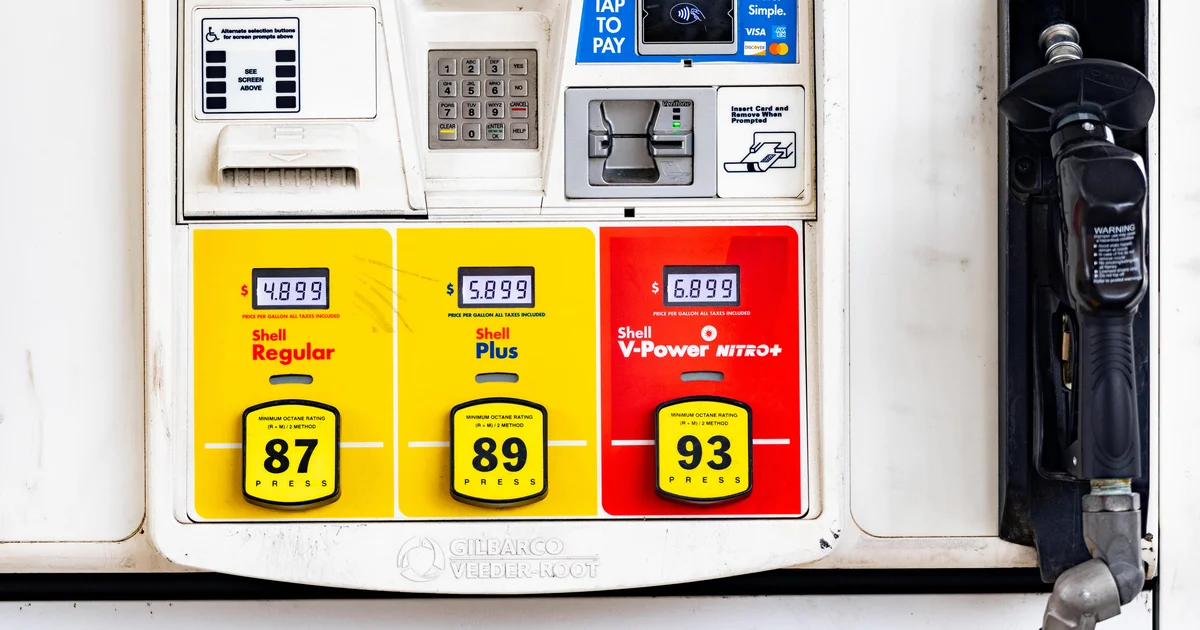
US petrol prices could fall below $4 a gallon within days, energy experts have predicted, as the national average continues to decline. Patrick De Haan of price-tracking firm GasBuddy said the average could dip below the threshold by next week.
GasBuddy put the average at $4.06 a gallon on Thursday, with the figure still at that level early on Friday. De Haan also forecast that diesel prices could drop below $6 a gallon by Thanksgiving.
Why US petrol prices are falling
Oil and fuel prices have fallen in recent weeks amid expectations that the US midterm elections would highlight public dissatisfaction with the war in Iran and increase pressure on the Trump administration to reach an agreement ending the conflict.
“Oil prices have been falling in the run-up to the election,” De Haan said. “My read is because there was optimism that after the midterms these problems would be addressed.”
Higher tanker traffic through the Strait of Hormuz has also eased constraints on global oil supplies, according to De Haan. Brent crude, the international benchmark, fell below $100 a barrel on Thursday for the first time since September, reaching $97.44 by midday, while West Texas Intermediate stood at $90.42.
Seasonal changes are adding to the downward pressure. Americans typically drive less for road trips and summer travel during the autumn, while petrol stations are switching to winter-blend fuel, which costs less to produce than the summer version.
Tom Kloza, chief energy adviser for Gulf Oil, expects the average US petrol price to fall below $4 within the next 10 days. He said petrol stations were currently making about 75 cents on each gallon sold, a margin he described as unusually high.
“Historically, that is too outsized,” Kloza said in an email. “A more normal markup would be 40 cents a gallon, and that means that even if futures prices and physical markets hang around present levels, we should see lower pump prices for the foreseeable future.”
The Trump administration has taken several steps aimed at easing fuel costs, including widening access to tax-free red-dyed diesel, allowing Russian diesel imports and waiving the Jones Act. The law requires goods transported between US ports to be carried on ships that are US-built, US-flagged and US-crewed.
