


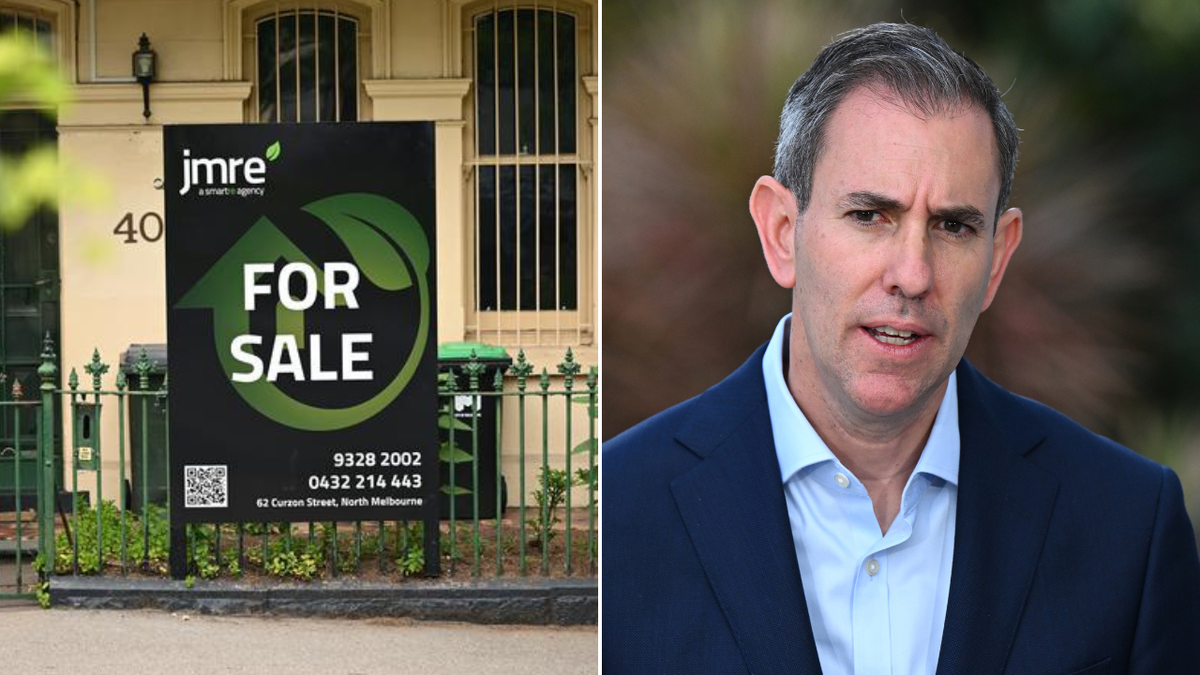
Australian house prices have fallen for a sixth consecutive month, putting the national downturn on course to become the deepest in 40 years as higher interest rates continue to weigh on the market.
Property values dropped by 1.1 per cent in September, taking the decline since the March peak to 5.2 per cent, according to data firm Cotality. The median dwelling value fell to $899,236, broadly returning to its level a year ago.
Brisbane recorded the sharpest monthly fall among the major cities, with values down 1.5 per cent, narrowly exceeding Sydney’s 1.4 per cent decline. Sydney prices are now 8.6 per cent below their February peak.
Tim Lawless, Cotality’s research director, said the downturn was moving faster than the fall in 2022 and 2023, which was itself one of the largest corrections on record.
“This is just a little bit more rapid than what we’re seeing through that previous period of decline, which was one of the largest corrections on record,” he told AAP.
“But it was really short and sharp. I think this one’s quite sharp, clearly, but I’m not sure how short it’s going to be.”
Australian housing downturn spreads across capital cities
The decline is becoming increasingly widespread. In the three months to the end of September, values fell in 97 per cent of capital-city suburbs, with areas that had initially proved more resilient now also coming under pressure.
Lawless said reduced activity from property investors was contributing to the weakness, particularly because investors had traditionally been more active in the middle and lower sections of the market.
Higher borrowing costs are the main influence on prices, while Labor’s budget changes restricting investor tax breaks have also affected demand. Lawless said the measures could eventually leave first-time buyers facing less competition and more affordable housing once the market stabilised.
Several economists have forecast a peak-to-trough fall of between 9 and 13 per cent. Lawless warned that the decline could go further if the Reserve Bank of Australia raises interest rates again, with cuts not expected until at least late 2027.
RBA says risk of widespread mortgage stress remains contained
The RBA said fewer than 1 per cent of borrowers were likely to be in negative equity, despite the sharp fall in prices and rising interest rates. Its assessment followed a 25 basis point rate rise on Tuesday.
Modelling by the central bank suggests prices could fall another 20 per cent from current levels before around 5 per cent of mortgages moved into negative equity.
The bank said most households had sufficient cash flow and savings to absorb a downturn, while mortgage arrears remained generally low and lenders had maintained high lending standards since a three percentage-point serviceability buffer was introduced.
“In short, while there are pockets of stress in the household and business sectors, both sectors display a good level of resilience overall,” the RBA said.
It added that the risks to the financial system remained contained, with banks’ exposure to vulnerable small companies and businesses with limited bank debt remaining low.
