


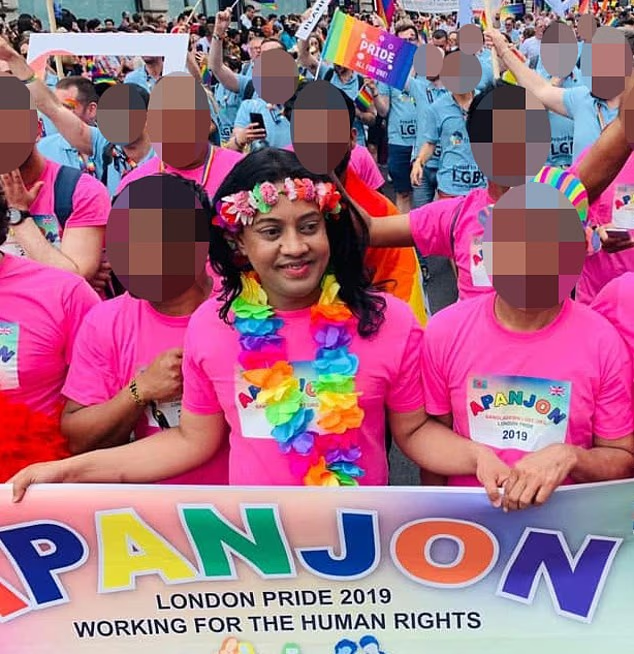
A trans woman who founded an east London LGBT organisation has been arrested on suspicion of fraud and immigration offences amid allegations that asylum seekers were supplied with fabricated evidence to support claims that they were gay.
Sajjad Miah, 42, was detained during an early-morning raid at her home by Immigration Enforcement officers. A second person believed to be linked to Apanjon was arrested on suspicion of the same offences, while a third person was held on suspicion of being in the UK illegally.
The Home Office is reviewing more than 100 past and current asylum applications potentially linked to the organisation. Officials allege that straight men were charged as much as £4,500 for material intended to bolster claims of persecution based on sexual orientation, including letters, photographs and other documents.
Ms Miah was released on bail without charge but has been told she may be required to return for further questioning. Officers also seized mobile phones, jewellery and thousands of pounds in cash during the operation.
Apanjon, which operated from a business centre in Whitechapel, says it campaigns for equality and justice for LGBT people in Bangladesh. Ms Miah insists the group is genuine and denies producing false documentation.
“We only give letters of support to LGBT people once we have observed them for six months and ensure that they are not lying about their sexuality,” she said.
“We are a genuine organisation trying to help LGBT Bangladeshi people. There is no evidence for what they are accusing us of. We only support those who are genuinely LGBT. We have not provided any false documentation.”
Ms Miah said she had been granted asylum in 2013 after claiming she faced persecution in Bangladesh because of her sexuality. She arrived in Britain aged 26 as a man and later transitioned to a woman, establishing Apanjon after securing asylum.
She said the money taken by officers was intended to pay her rent and that the jewellery belonged to her sister. She also claimed to have received death threats after reports of the arrests, saying she had been accused of spreading “un-Islamic behaviour” and damaging Bangladeshi culture.
Allegations surrounding Apanjon
According to allegations outlined by the Home Office, some asylum seekers were given “evidence packages” containing staged photographs, letters of support and other material designed to suggest they were gay. The photographs were allegedly taken at the same bars, clubs and LGBT events.
Officials claim some Bangladeshi men only raised their sexuality after initially having asylum applications rejected on political grounds. In one case, a man is said not to have mentioned his sexuality until nine years after his original application.
Immigration judges have previously criticised evidence linked to Apanjon as unreliable or not credible. One applicant who said he had attended the organisation’s events was found to have submitted staged photographs, according to the material cited in the allegations.
The organisation advertises monthly meetings, social and cultural events, legal advice and support for people coming out as LGBT. Its activities include events branded as “GAY nights”, while its stated work includes protecting LGBT people from discrimination, abuse and violence.
Apanjon’s former office was in a run-down business centre behind the East London Mosque. Residents described seeing around 12 officers enter the building during the raid, with one saying children were preparing for school when the operation began.
Ejel Khan, founder of the Muslim LGBT Network, said he had previously been offered money to provide recommendation letters for people who admitted they were not gay. He said fraudulent claims damaged the work of groups supporting asylum seekers who genuinely faced persecution.
Home Office figures cited in the allegations show that 2,133 asylum seekers who said sexual orientation formed part of the basis of their claims were allowed to remain in Britain in 2023. Bangladesh accounted for 175 of those cases, behind Pakistan with 578.
The issue has become subject to increased scrutiny since the Supreme Court ended the policy of refusing asylum to gay refugees on the basis that they could avoid persecution by concealing their sexuality.
Home Secretary Shabana Mahmood said people who fabricated claims of persecution were “beneath contempt” and mocked genuine victims. She added: “To the gangs profiting from this disgraceful fraud: you will be prosecuted, stripped of your dirty money and shut down.”
A conviction for asylum fraud carries a maximum sentence of ten years in prison.
