


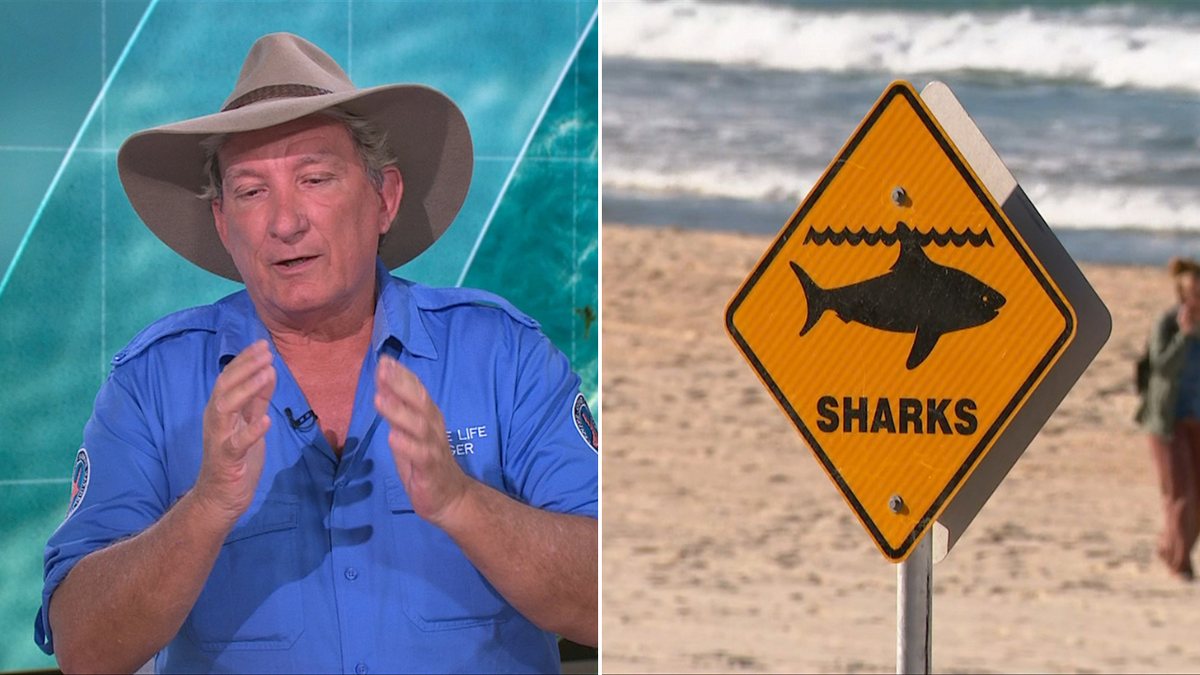
Shark surveillance drones intervened 360 times to protect swimmers on New South Wales beaches during winter, prompting a warning that the coming summer could bring further shark attacks.
Senior marine life ranger Sharky Baxter said the state’s expanded shark migration programme needed significant improvements before beaches fill with swimmers and surfers as temperatures rise.
“I think this summer is going to be very interesting on the beaches,” Baxter said. “A lot of beaches are going to be closed because there’s a shark.”
The drone interventions form part of a government programme introduced after a series of shark attacks. But Baxter questioned whether operators could reliably identify the species they spotted from the air.
He said it was worth considering whether beaches should close when smaller or less dangerous species, including hammerheads, wobbegongs or Port Jackson sharks, were detected.
“The people that are flying it, I don’t know whether they’re 100 per cent accurate in what sort of shark it is,” he said.
Baxter also raised concerns about communication with beachgoers, saying many would not know when surveillance drones were operating unless they had the SharkSmart app on their phones.
He urged people to avoid fishing and gutting fish near swimmers, warning that sharks could detect the low pulses of a hooked fish from up to a kilometre away.
“I’m predicting, unfortunately, this summer we will have more attacks in New South Wales,” Baxter said.
He called for a forum bringing together experts to improve shark safety measures, urging those involved to “leave your egos at the door” to help prevent further loss of life.
