


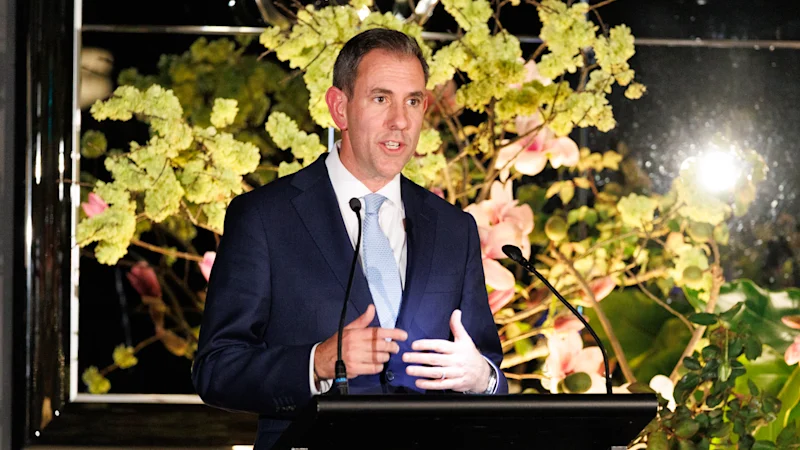
Australian treasurer Jim Chalmers is set to announce a $6 billion budget boost on Monday as the government faces mounting pressure to help contain inflation ahead of an expected interest rate rise to a 15-year high.
The final budget figures are expected to show the underlying deficit at about $22.3 billion, down from the $28.3 billion forecast in May. The government has not explained whether the improvement reflects continued strength in the jobs market, commodity prices or other factors.
“Responsible economic management is a defining feature of this Albanese Labor government, and you will see that in the final budget outcome,” Dr Chalmers said before the figures were released.
The Reserve Bank of Australia is widely expected to lift its cash rate for the fourth time this year on Tuesday, taking it to 4.6 per cent as it attempts to bring down stubborn inflation. Financial markets are also pricing in another increase early next year.
Deputy Prime Minister Richard Marles said the United States’ war with Iran had pushed up petrol prices and increased production costs, adding to inflationary pressure across advanced economies.
“We’re also now seeing it in terms of global inflation and that’s being experienced in advanced economies around the world. Most advanced economies have experienced a rate rise in the last month,” Mr Marles said.
The expected improvement in the underlying result comes after Labor recorded two budget surpluses in its previous term. Budget analyst Chris Richardson has attributed those surpluses to a commodity-driven $400 billion “revenue rainbow”, which he described as “a level of luck never before seen in Australia”.
However, the broader headline deficit, which includes major spending measures, is projected to be about $60 billion this year. A recent Intergenerational Report warned that debt and taxes would continue rising over the next four decades if Australia’s weak productivity performance persisted.
Labor MPs have expressed growing unease about the government’s efforts to lift productivity and counter inflation. Opposition frontbencher James Paterson accused the government of using international events to avoid responsibility for domestic pressures.
“The only thing the government really can control on its own is the amount of money they spend,” Senator Paterson said, arguing that government spending remained at stimulus levels and was forcing the Reserve Bank to raise rates.
Opposition Leader Angus Taylor has claimed Labor faces an $83 billion budget shortfall, while Dr Chalmers has responded that the Coalition has made a series of unfunded announcements.
The treasurer also warned last week that rising global bond yields would force the government to spend billions more servicing its $1 trillion debt. The increase has been linked to concerns over government finances in the United States and Europe, the Middle East conflict and competition from artificial intelligence companies seeking to raise funds.
The government is expected soon to spend more on interest payments than on Medicare, according to a report published on Saturday.
