


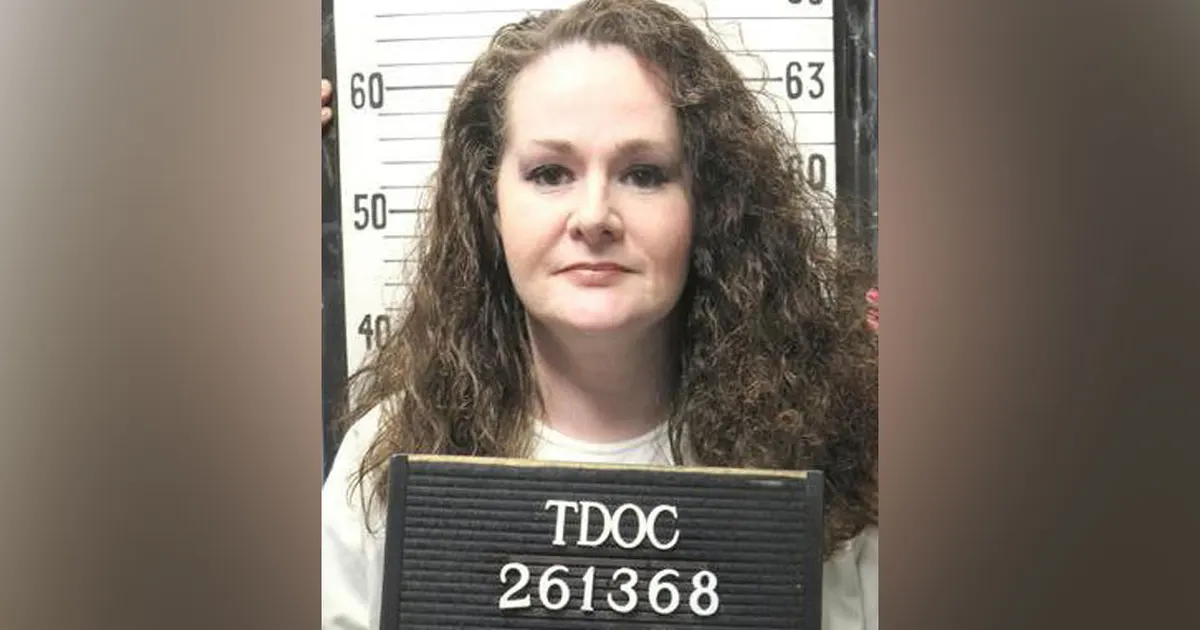
Christa Pike is conscious and speaking in hospital after surviving Tennessee’s failed attempt to execute her, her lawyers have said.
The 50-year-old remains in intensive care under guard, having been taken to hospital after officials administered two doses of pentobarbital at Riverbend Maximum Security Institution in Nashville on 30 September.
Her legal team said she had suffered severe damage to both arms and faced a lengthy recovery. “Against all odds, Christa Pike is conscious, speaking, and continues to receive critical medical care,” they said in a statement.
“Her prognosis remains unclear but, at a minimum, we expect a long recovery.”
Failed Tennessee execution
Pike had initially been unconscious and placed on a ventilator following the failed lethal injection. An expert who has advised her lawyers said she was now able to breathe without assistance and speak, but warned that it was too soon to know the full extent of her recovery.
Her lawyers are due to appear in court on Wednesday to seek access to evidence from the execution attempt. They want the Tennessee Department of Correction to preserve records including drug lot numbers and other documents relating to the procedure.
The development has intensified scrutiny of Tennessee’s capital punishment system. Governor Bill Lee has ordered an independent investigation and halted the only other execution scheduled in the state for this year.
Frank Strada, commissioner of the Tennessee Department of Correction, is also due to resign this month. He said his departure was in the best interests of Tennesseans while the investigation was carried out.
Pike’s attorneys have asked Mr Lee to commute her death sentence to life in prison without parole. She was sentenced to death for the 1995 torture and killing of her classmate, Colleen Slemmer, when Pike was 18.
The failed execution was the second in Tennessee this year. In May, officials stopped the execution of Tony Carruthers after they were unable to establish a secondary intravenous line.
Republican lawmakers have since said they want to examine alternative execution methods, including electrocution. Tennessee law already permits the electric chair in certain circumstances, but the state has primarily used lethal injection.
