


Cornell University is facing criticism over sexual education materials that ask students to consider group sex, BDSM, open relationships and sexual encounters involving alcohol or recreational drugs.
The documents have resurfaced as the New York university faces intense scrutiny over allegations that a former student was sexually assaulted by multiple members of the Chi Phi fraternity in October 2024. There is no evidence that the educational materials played any role in the alleged assault.
Cornell Health said the resources were designed to encourage discussion about sexual preferences and boundaries. Critics have questioned whether the university’s approach risks blurring the limits of consent for students.
Cornell sexual education materials under scrutiny
One of the documents attracting attention is a 2019 worksheet titled Yes, No, Maybe So: A Sexual Inventory Stocklist. It asks participants to indicate whether they would be interested in a wide range of sexual activities.
Among the entries are “Sex of some kind(s) with three partners at a time” and “Sex of some kind(s) with more than three partners at a time”. The checklist also refers to “Some kind of casual or occasional open/non-exclusive sexual relationship”.
Another entry asks students to consider “Initiating or having sex while or after I have been drinking alcohol or other recreational drugs”. That wording has attracted particular attention because of the allegations involving alcohol and ketamine at a fraternity gathering.
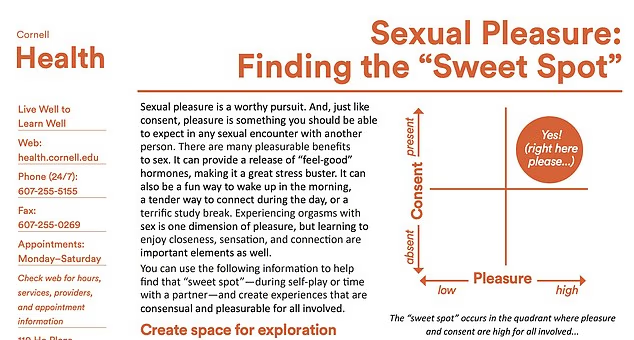
Other Cornell Health resources include a worksheet called Sexual Pleasure: Finding the Sweet Spot, which covers BDSM, fetish equipment and sex toys. A separate guide, Sensate Focus, discusses physical intimacy and mutual touching.
An archived Cornell sexual health campaign website said resident advisers had been encouraged to put the materials on display in student accommodation until April.
Cornell senior Jared Lederman, 19, who highlighted the checklist, accused the university of creating a “permission structure” that could contribute to disputes over consent.
“Cornell isn’t directly responsible for the alleged gang rape, but the group sex act they are endorsing could very well lead to non-consensual activity, they inherently lead to a gray area,” he said.
Bethany Mandel, co-host of The Mom Wars podcast, also criticised the approach.
“Progressives have insisted on blurring the boundaries on safe and healthy sexual relationships for a long time. On campus at Cornell, we’re seeing the end result of that decision,” she said.
Allegations involving Chi Phi fraternity
The controversy comes as Cornell deals with allegations made by a former student identified in court documents as Jane Doe. She claims she was given ketamine, marijuana and alcohol before being subjected to sexual acts without her consent at the Chi Phi house.
Her civil lawsuit names seven men and alleges that fraternity members exchanged Snapchat messages during the incident, including one advertising “free p***y”. Another message allegedly said: “you can walk in and whip it out.”
The Chi Phi chapter was shut down by Cornell in 2024 and remains barred from campus. The university said other students were suspended after its internal investigation.
Matthew Ingalls, one of the men named in the lawsuit, was expelled after a Title IX investigation. He has denied the allegations. Jonathan Newell, another defendant, was also expelled following disciplinary proceedings that involved more than 50 interviews.
The allegations have prompted protests by students and renewed criticism of Cornell’s handling of sexual misconduct complaints.
The criminal investigation has also become contentious. Jane Doe’s lawyer, Thomas Giuffra, accused authorities of misleading his client over whether her complaint was still being investigated.
She reported the alleged assault to Cornell police in November 2024. Tompkins County District Attorney Matthew Van Houten decided within days of receiving the initial substantial police interviews that criminal charges were not warranted.
Van Houten has maintained that the evidence indicated the sexual activity was “voluntary, conscious and consensual”. Giuffra disputes that assessment and said important allegations, including the woman’s insistence that she had been raped, were absent from the six-page police summary reviewed by prosecutors.
New York Governor Kathy Hochul subsequently removed Van Houten from the case and appointed state Attorney General Letitia James as special prosecutor. James has indicated that her investigation could take months.
Students have held demonstrations, including a sit-in at a dining hall, calling for greater accountability over sexual misconduct. More than 20 student groups organised a rally in support of survivors.
Cornell’s trustees have also appointed former US Deputy Attorney General Sally Yates to carry out an independent review of the university’s handling of sexual assault complaints, disciplinary proceedings and campus policing.
