


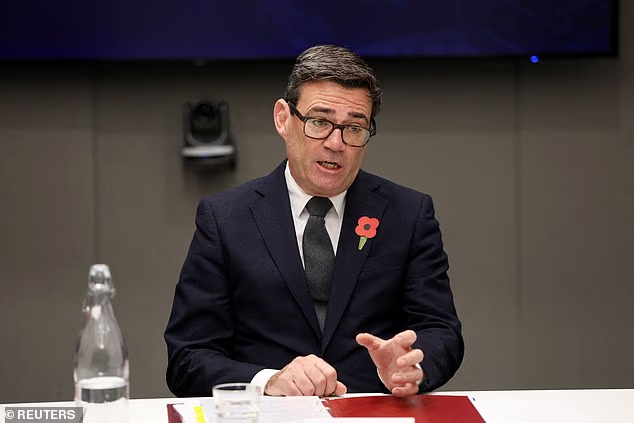
Pressure is mounting inside Labour over the prospect of a May election, as Andy Burnham’s improved polling position and delayed Budget decisions fuel speculation that a national vote could be called next spring.
MPs are preparing for an early contest despite repeated assurances from Mr Burnham that there will be no election in 2027.
An Opinium poll conducted largely after the Chancellor’s fiscal package put Labour on 30 per cent, with Reform on 22 per cent and the Conservatives on 20 per cent. The latter two parties were statistically tied.
Electoral Calculus estimates that such a result could give Labour a majority of almost 100 seats.
The election rumours have been intensified by decisions being pushed back in last week’s Budget. A spending review due in the second half of next year is expected to set out how defence spending could reach 3 per cent of GDP by 2030.
John Healey has also acknowledged that difficult choices will be needed on departmental spending, while think tanks have warned that existing plans appear to imply substantial real-terms cuts in the years ahead.
Kemi Badenoch said the financial pressures, alongside commitments including an NHS-style social care system and more council housing, could leave a £49 billion shortfall by 2030-31.
She argued that Labour’s previous pledges not to increase income tax, national insurance or VAT during the current Parliament were restricting its options.
Writing in the Sunday Telegraph, the Conservative leader said: “Who’s going to pay for it? The Prime Minister gave the game away on Friday when he said he would have written the 2024 manifesto differently. Let me translate that.”
She added: “He wishes he had more room to raise taxes even further. To fund their promises and appease their MPs, Labour are going to have to raise taxes by £1,700 for every household.”
One Labour MP said preparations for a May contest had already begun, telling the Sun on Sunday: “I have told my staff to prepare for a May election.”
The MP said Mr Burnham’s appeal was that he was “a winner”, but added that Labour was expected to lose council seats next May and that he would not want to be seen as a loser.
Mr Burnham has repeatedly sought to dismiss the speculation. Asked last week when the next election would be, he said: “I said yesterday, no election in 2027. I said that really, really plainly yesterday.”
He added: “I’ll say it again today to you and the reason I say that is because I am not coming into this job full of political calculation in terms of ‘what do I need to do for how it benefits me or the party?’. I come into the job genuinely feeling that the country needs a really clear change in terms of the way politics has been done because we’re in a messy position.”
However, the remarks represented a shift from his previous position, when he had said there would be no election until 2029.
