


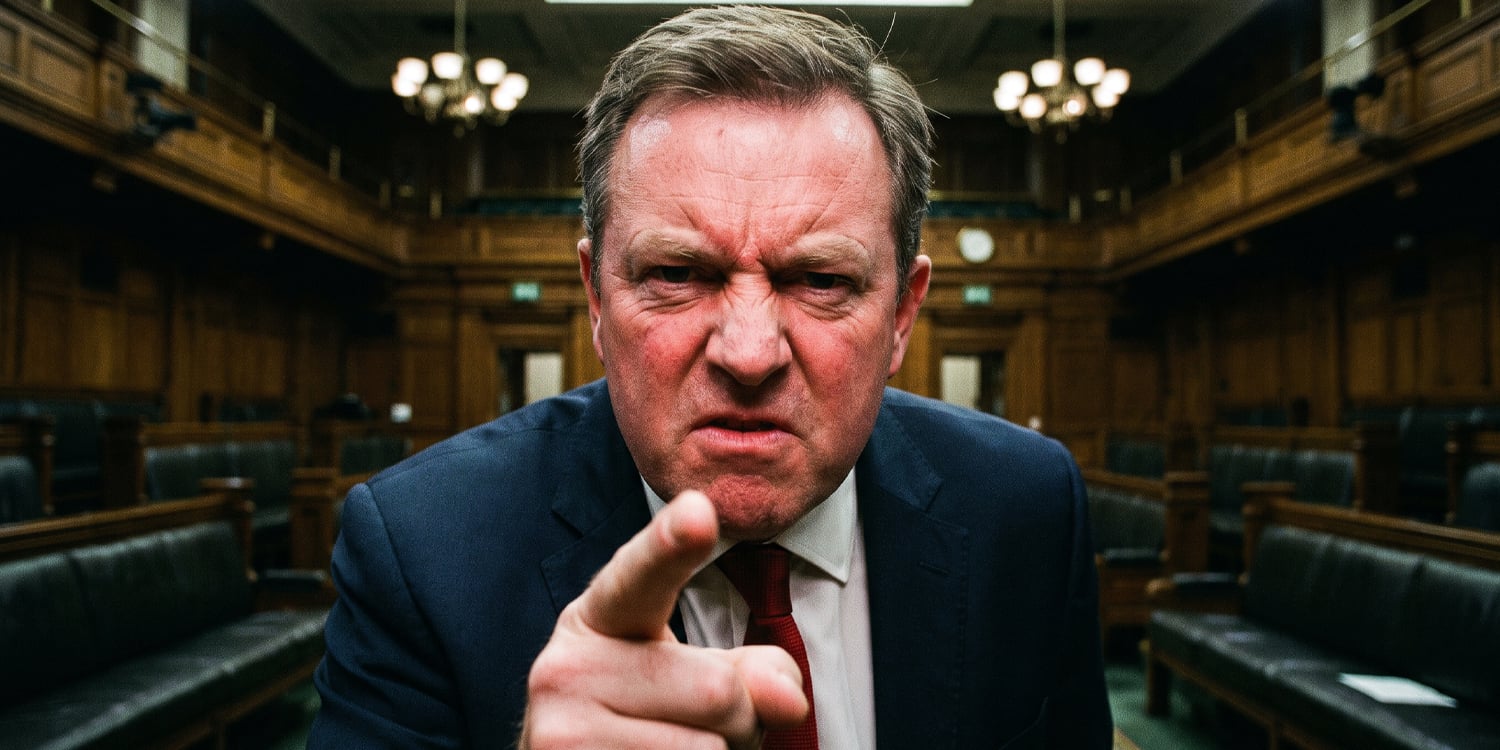
A new study published in Cognition and Emotion argues that the emotions voters feel about policy issues can subtly tilt the kind of leader they prefer to vote for, based on facial traits. The research suggests anger makes people lean toward dominant-looking leaders, while fear heightens the importance of a trustworthy appearance. The work was led by Mariana von Mohr of the University of Kent and Manos Tsakiris of Royal Holloway, University of London, and conducted at the Centre for the Politics of Feelings at the School of Advanced Study in London.
Researchers note that when people judge a stranger’s face, two key impressions tend to emerge: trustworthiness and dominance. Trustworthiness signals warmth, cooperativeness and safety, while dominance conveys strength and assertiveness. These rapid judgments can shape political choices in ways that reflect the surrounding environment and personal beliefs.
The study sits within a broader literature showing that context matters. For example, previous work by members of von Mohr and Tsakiris’s team found that distrustful individuals tend to hold stricter, more conservative views and prefer dominant, authoritarian-looking leaders, with wartime or conflict contexts often amplifying the appeal of dominant faces and peaceful periods favouring trustworthy ones.
Beyond the general backdrop, the researchers highlight how divergent emotional responses to the same crisis can steer voters in different directions. Anger tends to boost certainty and willingness to take risks, whereas fear fosters caution and a desire for reassurance, a distinction traced back to earlier work on emotion and risk.
In a notable real-world example linked to war, a 2025 Ukrainian panel study found that aggressive, angry emotions reinforced preferences for dominant leaders, while fear produced little shift in preferences. The new study, however, asks how such emotions operate within everyday domestic politics—over issues like the economy, healthcare and public safety—not merely in times of overt crisis.
The research team, led by von Mohr and Tsakiris, recruited 201 American participants via Prolific, ensuring a balance between self-identified or leaning Democrats and Republicans. After excluding four who failed attention checks, the final sample numbered 197.
The experiment used a within-subjects design: every participant experienced both the anger and the fear conditions in random order. In the anger condition, participants chose the single national issue from a Pew Research Center list that made them the most angry, rating the intensity from 0 to 100. They then completed a 36-round leader choice task, viewing pairs of computer-generated faces with varying degrees of dominance and trustworthiness and selecting the candidate they believed would best handle the issue.
In the fear condition, the same participants repeated the process, but this time selecting the issue that frightened them most and rating its intensity before performing the same 36-round face-off task.
Average emotion intensity across all participants was high in both conditions: 86.51 for anger and 81.95 for fear. The issues most often tied to anger were illegal immigration, gun violence and inflation, while climate change, illegal immigration and domestic terrorism topped the fear list.
When the researchers collapsed responses across rounds to form an overall likelihood of choosing a dominant-looking versus a trustworthy-looking leader, they found a small but consistent effect. On average, participants showed a 49.5 percent probability of selecting a dominant-looking leader when angry, compared with 46.5 percent when fearful—a three percentage point difference that reflects a modest tilt toward dominance under anger, and toward trustworthiness overall.
Researchers further unpacked the data by examining how facial cues influenced choices in each emotion condition. In the fear condition, trustworthiness increased the odds of a face being chosen, while dominance did not have a statistically significant impact. In the anger condition, the importance of trustworthiness declined and dominance gained greater influence on selections.
Von Mohr summarised the takeaway: “Our findings suggest that how we feel about political issues can influence the kinds of leaders we find appealing, even based on something as simple as their facial appearance. When angry, people placed greater importance on facial cues of dominance (appearing strong and assertive) and less on trustworthiness. When afraid, they placed more importance on trustworthiness (appearing reliable and benevolent).”
The study aligns with earlier work suggesting anger can push voters toward stronger, more confrontational leadership, while fear steers them toward candidates who appear trustworthy and protective. A 2022 PsyPost report on related findings noted a similar shift, though that prior work examined anger triggered by non-political frustration rather than policy issues.
The researchers also looked at party affiliations. Republicans showed a higher overall preference for dominant-looking leaders (52.5 percent) than Democrats (43.5 percent), a 9-point gap. Notably, the emotional effects did not differ markedly by party, meaning the anger–dominance and fear–trustworthiness dynamics operated similarly across the groups studied.
The team found the emotion effects remained stable even when considering gender, task order, and when controlling for the exact issues selected. However, they caution that allowing participants to choose their own anger- or fear-inducing issues makes it difficult to completely disentangle emotion from the topic. They suggest future experiments that induce emotion while holding the topic constant to isolate the pure emotion effect. They also note that using computer-generated faces rather than real political figures limits direct real-world applicability, and that the study focused on American voters, leaving open whether the same patterns exist in other countries.
The study was titled “Political emotions shape preferences for leaders’ facial traits: anger favours dominance, fear favours trustworthiness” and is authored by Mariana Von Mohr and Manos Tsakiris.
