


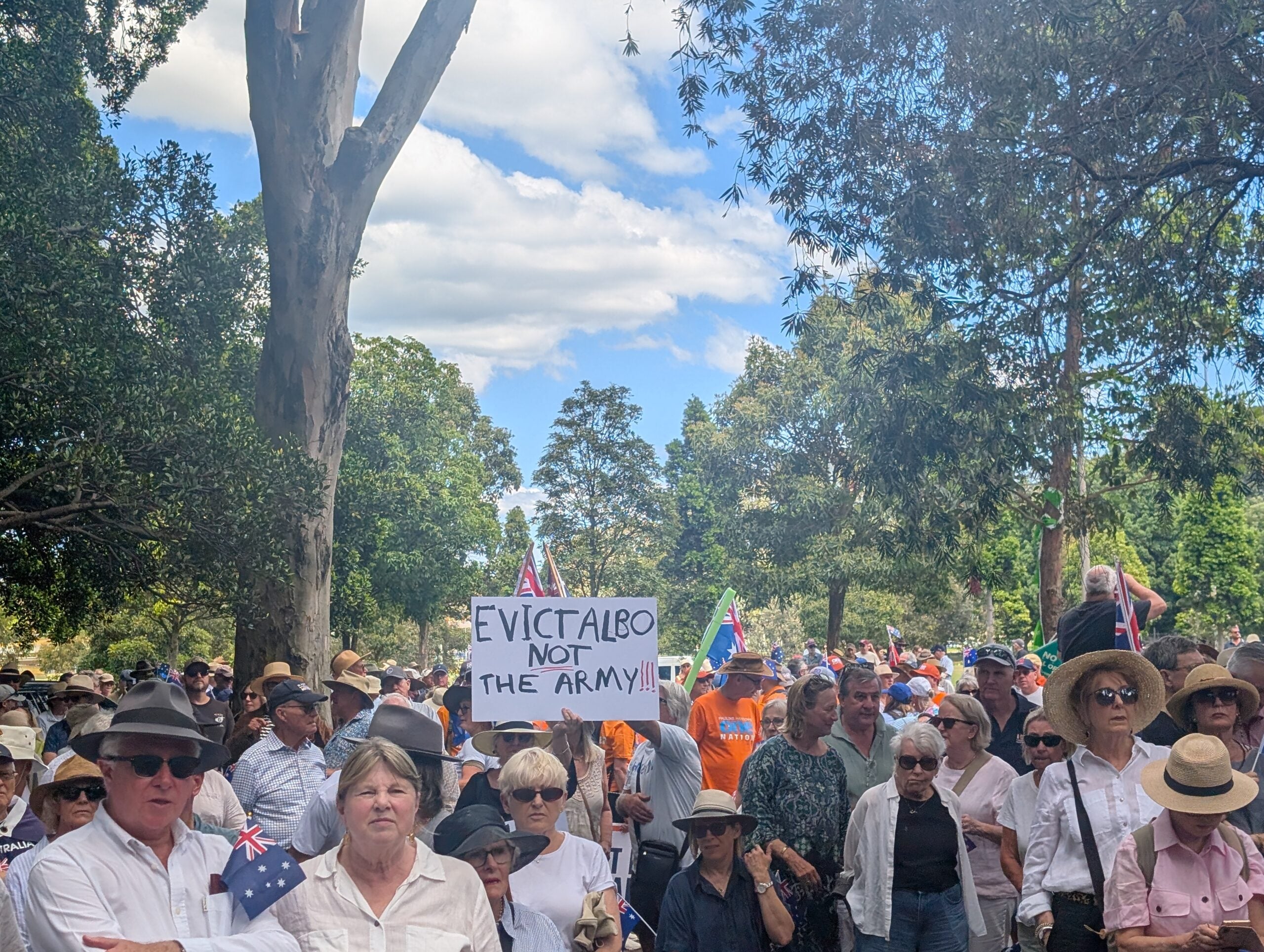
Australia’s proposed defence land sell-off has drawn together politicians from across the political spectrum, with former prime minister John Howard telling a rally in Sydney that the government should abandon plans to dispose of military sites, including valuable harbour-front property.
Speaking to several thousand people near Victoria Barracks, Mr Howard said he would be the first to congratulate Prime Minister Anthony Albanese if the plans were reversed. He argued that the country’s history and military heritage mattered more than the money raised by the sales.
“What is more important to the soul of a nation? [Than] its history, its heritage, and those that have gone before,” Mr Howard said. “You don’t give that up for a few bob.”
The proposed disposal of Department of Defence assets is intended to raise A$3 billion in gross proceeds, or A$1.8 billion after costs. The government has said the properties are surplus to military requirements, while also facing pressure to reduce the deficit and release land for housing in Australia’s expanding cities.
Deputy Prime Minister Richard Marles has argued that the Defence Department is not the best body to preserve the heritage value of the sites and that resources would be better directed towards future military capability.
Opposition to defence land sell-off crosses political lines
The plan has nevertheless united the conservative Liberal-National Coalition, the nationalist One Nation party, the Greens and some members of Mr Albanese’s own Labor Party. The Labor-led New South Wales Government, headed by Chris Minns, also opposes the sale, although it lacks the constitutional power to prevent it.
At the rally, that alliance existed alongside calls from some demonstrators for Mr Albanese to resign or be dismissed. Members of One Nation wore orange shirts, while others sported blue “Make Albo Go Away” hats.
Tony Abbott, another former prime minister and now Liberal Party president, praised those attending for defending Australia’s history and heritage. He also said it was “wonderful to be at this protest, where the only flag on display is the Australian flag — and not the Palestinian one”.
The gathering exposed tensions within the broad coalition. Marjorie O’Neill, a Labor New South Wales parliamentary secretary for transport and one of the organisers, was jeered after opening with an acknowledgment of country and recognising Aboriginal men who had enlisted at Victoria Barracks.
She was heckled again when she listed the Labor, Liberal and Greens supporters opposing the sale without mentioning One Nation. Liberal senator Jess Collins, her fellow organiser, then said: “I will acknowledge that we do have One Nation here too”, prompting loud cheers.
Justin Bowra, a Greens member and local resident, said the opposing groups shared a common concern despite their political differences.
“Despite all the political colours, whether you’re orange, blue, red or green, we all agree on one thing: The wrong thing to do is sell off the land to the highest bidder for private development,” he said.
“The right thing to do is let the community decide, let locals decide, and make those decisions with the benefit of all Australians in mind rather than turning them into a bunch of condos.”
Independent MP Allegra Spender urged protesters to join a convoy to Canberra planned for November 23. Mr Abbott told the crowd that “people power” would ultimately prevail.
The campaign reflects the particular importance attached in Australia to the Anzac tradition and the idea that values associated with the armed forces, including mateship, are central to the national character.
Former army chief Lieutenant General Ken Gillespie said Victoria Barracks should also be retained for operational reasons. The site is used for counter-terrorism exercises by the Special Air Service, he said, and could be important when police require military assistance.
“When police need military support in a crisis, minutes matter,” he said.
Mr Marles has previously dismissed the campaigners as “a few former generals who liked hanging out there”. The remark has angered opponents of the sale, who say the scale of the political resistance demonstrates the difficulty of disposing of the sites.
Mr Howard, who said he supported governments spending and taxing less, maintained that fiscal restraint was not the central issue at the rally. The question, he said, was whether Australia was prepared to give up places that embodied its history and heritage.
