


A US bipartisan energy permitting reform bill is bringing together the fossil fuel and renewable energy industries while dividing environmental groups, as Congress considers measures intended to speed up construction of power projects and meet surging electricity demand.
The Bipartisan American Affordability and Jobs Act would shorten approval times for projects ranging from solar farms and transmission lines to oil and gas pipelines. It would also make it more difficult for future administrations to withdraw permits, narrow environmental reviews and restrict some litigation to federal courts.
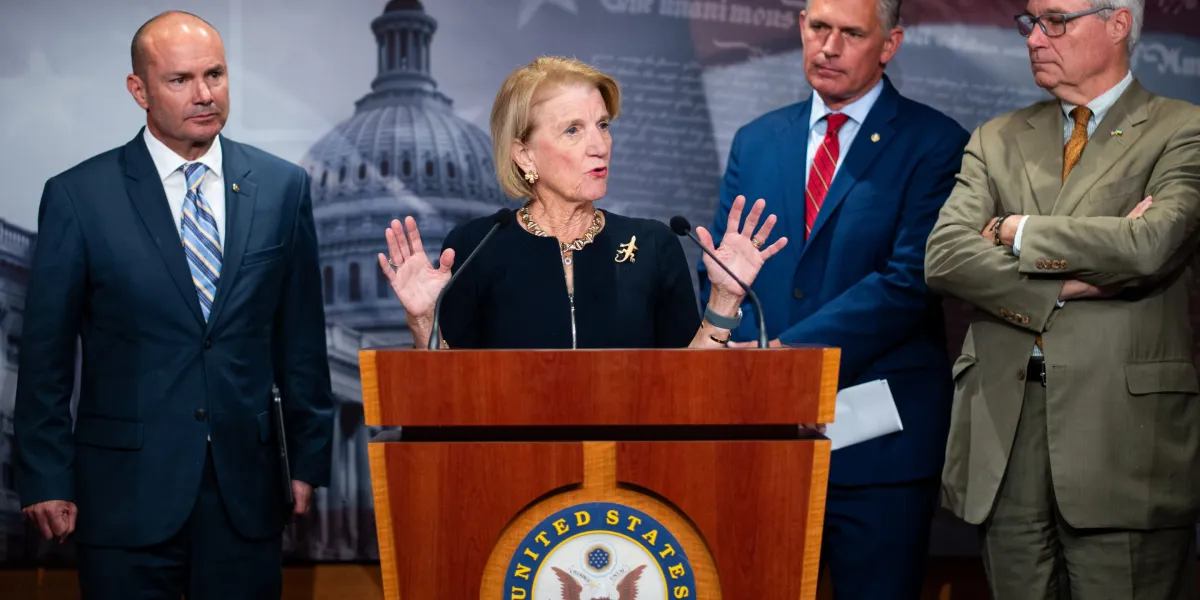
The legislation has been co-authored by Senators Mike Lee, Republican of Utah, Sheldon Whitehouse, Democrat of Rhode Island, Martin Heinrich, Democrat of New Mexico, and Shelley Moore Capito, Republican of West Virginia. The group has dubbed itself the “Four Corners”.
Its support from Mr Whitehouse and the Trump White House reflects the unusual alliances formed around the proposals. Supporters say faster approvals are needed as data centre construction drives demand for electricity, while ageing infrastructure and rising consumption contribute to higher power and utility costs.
For Democrats, the bill could help revive wind and solar projects that have faced opposition from the Trump administration. But some remain concerned that its provisions would also make it easier to build fossil fuel infrastructure and weaken environmental safeguards.
Republicans have fewer obvious objections, although some opponents of renewable power are unhappy with the legislation and others are wary of giving the federal government a greater role in local permitting decisions.
Energy permitting reform bill faces environmental opposition
Environmental groups have broadly resisted the measure despite recognising the need to modernise the electricity grid. Abigail Dillen, president of Earthjustice Action, said it represented a “genuine policy breakthrough on transmission and modernization of our electric grid”.
But she argued that the concessions went too far, saying the bill would “eviscerate bedrock protections for water, wetlands, endangered species, and the most basic expectations for transparency and responsible environmental analysis”.
Ms Dillen also warned that the proposals could accelerate gas pipelines, gas-fired power stations and large data centre developments. She said the result could be increased pollution and illness, while criticising restrictions on legal challenges.
The Sierra Club has similarly argued that the legislation would weaken protections under the National Environmental Policy Act, the Endangered Species Act and the Clean Water Act. It has also raised concerns about limiting the ability of states to use their own courts to protect waterways.
Environmental opposition has been sharpened by claims that the Trump administration has held back clean energy by withdrawing offshore wind permits and delaying approvals for onshore wind and solar projects. Federal tax credits for most renewable energy projects have also been cancelled by Mr Trump and Congress, according to the material.
Supporters of the bill argue that it would help unlock the transmission capacity needed to move renewable power from remote areas to major population centres. Large power-line projects are often difficult to build across privately owned land, even when they could deliver broader benefits.
Texas was cited as an example of the impact that expanded transmission can have. The state’s wind industry grew after lawmakers backed power lines connecting its windy western areas with cities including Houston and Dallas; Texas now leads the US in both utility-scale wind and solar generation.
Ben Norris, senior vice-president for regulatory affairs at the Solar Energy Industries Association, said the legislation offered a worthwhile balance. “The amount of new clean energy, new transmission capacity that’s going to be unlocked under this bipartisan-negotiated language is well worth the tradeoffs that are made in other places,” he said.
Mr Norris added that the bill could bring more sources of electricity online and place downward pressure on prices. “This is one of the best products, if not the best product, that we’re going to see, and we want to be part of the coalition that gets it across the finish line,” he said.
The fossil fuel industry has also backed the proposals, arguing that environmental groups and states have used the courts to obstruct projects beyond the requirements of federal law.
Toby Rice, chief executive of Pennsylvania-based gas producer EQT, said the bill would provide greater certainty for infrastructure developers and help curb utility and inflationary costs. “If you think it’s hard to get a pipeline built, try building a transmission line,” he said. “This will give us a start, and this will at least get us back to having the confidence to get things built in this country.”
EQT’s 303-mile Mountain Valley Pipeline took a decade to complete after repeated legal challenges and a specific act of Congress. Mr Rice said the legislation could also make it easier to expand existing pipelines or build projects along established routes.
He described the proposal as technology-neutral, arguing that renewables, gas, geothermal and nuclear power should all be allowed to compete. The bill would protect more renewable energy and transmission projects from political intervention, but would probably also have prevented the Biden administration’s 2024 pause on liquefied natural gas export approvals.
Congress is not expected to begin voting until after the November 3 midterm elections, leaving limited time for the measure to pass. Democrats must decide whether to accept the current compromise or wait for the possibility of shaping a different bill next year, when it would still require 60 Senate votes and could face a presidential veto.
