


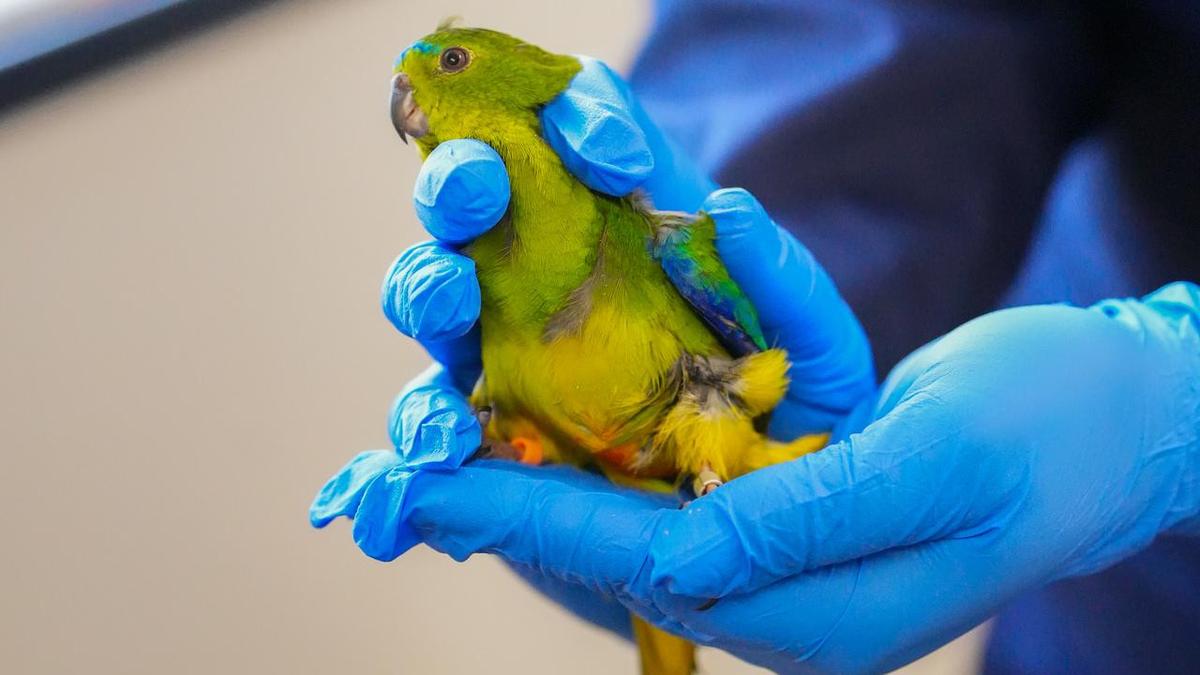
Vaccinations have begun for 350 critically endangered orange-bellied parrots in Tasmania as wildlife officials race to protect the species from H5 bird flu before its summer breeding season.
The first birds were given the jab at the Five Mile Beach Wildlife Management Facility near Hobart on Tuesday, 1 September 2026. The captive-bred parrots include juveniles expected to be released into the wild at Melaleuca in south-west Tasmania.
Each bird will require two doses, administered two weeks apart, followed by veterinary monitoring for any possible effects. The initial vaccinations are being given to a smaller group of non-breeding birds so researchers can assess whether the treatment affects fertility, although no adverse effects are expected. ([pulsetasmania.com.au](https://pulsetasmania.com.au/news/tasmania-begins-vaccinating-350-orange-bellied-parrots-against-bird-flu/?utm_source=openai))
Claire Lawrence, a wildlife biologist with the orange-bellied parrot recovery programme, said the intervention offered a rare opportunity to strengthen the wild population before the virus became more widespread.
“It is very important for us. We have limited opportunity to prevent H5 incursion into the wild population,” she said.
“Being able to release vaccinated birds into the wild will hopefully allow that wild population to persist.”
Orange-bellied parrots are around the size of a budgerigar. They breed only in Tasmania during the warmer months before migrating to coastal Victoria and South Australia for winter.
The wild population fell to just 17 birds in 2016 and now numbers about 90 to 100, with its survival heavily supported by captive breeding. Scientists fear the species’ loss of genetic diversity over the past century may have left it with limited immunity to a virus that has not previously circulated among Australia’s parrots.
Orange-bellied parrot vaccination comes as H5 spreads
Tasmania recorded its first H5 detections in the south-east on Tuesday, including a tern found at Acton Park, about 15 minutes from the Five Mile Beach facility. A raven at Triabunna was also reported as positive, according to the state’s environment department. ([pulsetasmania.com.au](https://pulsetasmania.com.au/news/tasmania-begins-vaccinating-350-orange-bellied-parrots-against-bird-flu/?utm_source=openai))
The federal Government has established a national framework for targeted vaccination of priority native species, with decisions on which birds to protect being made by individual states and territories. Agriculture Minister Julie Collins said the vaccine had been tested in Australian native birds with CSIRO’s assistance before being made available under an emergency permit. ([minister.agriculture.gov.au](https://minister.agriculture.gov.au/collins/speeches-and-transcripts/abc-adelaide-drive-h5-bird-flu?utm_source=openai))
Additional precautions are also being introduced at Five Mile Beach, including specialised shade-cloth infrastructure intended to reduce the risk of transmission into the aviaries. Officials have stressed that vaccination is only one part of a wider biosecurity response. ([abc.net.au](https://www.abc.net.au/news/2026-08-13/threat-to-tasmanias-endangered-and-native-wildlife-from-bird-flu/107031902?utm_source=openai))
The programme is expected to take place over the coming months, with vaccinated birds due to join the wild population ahead of their migration to the mainland next autumn.
Tasmanian Environment Minister Guy Barnett said the state would continue examining whether vaccination could help other threatened bird species, while authorities urged the public to report sick or dead birds and avoid handling them.
