


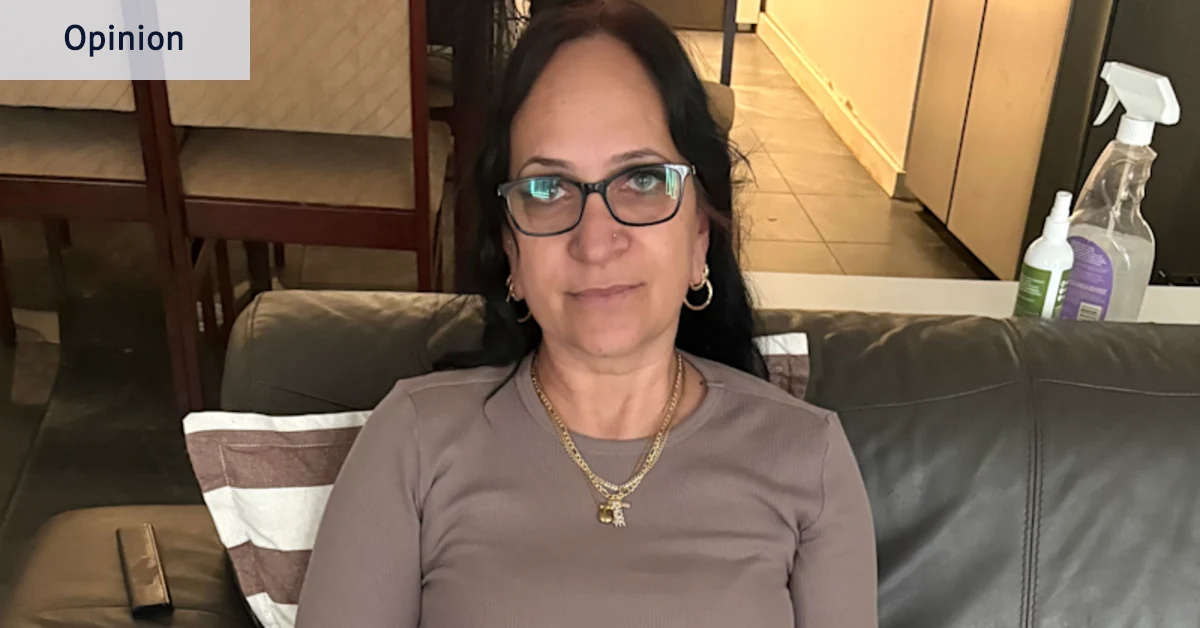
Jeanie Barbagiovanni has described rebuilding her life after poverty in Western Australia, having fled an abusive relationship with her children and little more than a bag of clothes for each of them.
Almost 10 years ago, she left regional Western Australia without savings, a car or certainty about what would happen next. She arrived in Perth determined to create a safer future for her children.
“I wanted a different life for my children,” she said.
Barbagiovanni said poverty was about more than a lack of money. Without secure housing, transport and practical support, she said, it was difficult to recover from hardship or plan for the future.
Her first priority was finding somewhere safe to live. She initially secured a private rental before eventually moving into social housing near shops and her children’s school.
That stability gave the family a foundation from which to start again. A church helped furnish the home, while other organisations provided food, clothing and other essentials. People also assisted with appointments, transport and emotional support.
Barbagiovanni said the compassion she received was just as important as the practical help.
“They reminded me that I mattered,” she said.
Rebuilding after abuse and poverty
She rejected assumptions that people receiving income support were unwilling to work, saying her experience had been shaped by the effects of years of abuse and the need to regain her confidence.
“Being on Centrelink is really hard,” she said, describing the difficulty of covering rent, bills, power and water while still putting food on the table.
“When you’re struggling financially, you’re not thinking about luxuries. You’re thinking about keeping your family safe, fed and looked after.”
Barbagiovanni said she was not ready to move straight into employment after leaving the relationship. She had low self-esteem and needed time to rebuild her sense of identity and understand what she wanted from life.
It took six years before she felt she had found herself again and understood what she deserved. When she eventually secured a job, she said it represented far more than employment.
“It meant confidence, independence and believing in myself again,” she said. “It felt so good to get that job myself. It was something for me.”
Her progress continued as she achieved more. During the Covid pandemic, the Coronavirus Supplement gave her enough breathing space to save money, obtain her driving licence and buy her first car.
The vehicle brought a new degree of independence. She could attend job interviews and appointments, take her children where they needed to go, save money and begin setting goals for the family.
But Barbagiovanni said financial pressure was only one part of the experience of poverty. The judgement attached to receiving support had also affected her confidence, including when she applied for work.
“I thought, ‘They’re not going to want me,’” she said.
She urged people to show greater compassion towards those living on benefits or trying to recover from difficult circumstances.
“It doesn’t make you any better than me because I’m on Centrelink. We’re just all humans,” she said.
Barbagiovanni said her experience was shared by many women who had left unsafe situations and were attempting to rebuild their lives. She wanted those still living with violence to know that taking the first step could lead to a different future.
“I’m proof that change is possible,” she said.
However, she said women and children leaving violence should not be expected to recover without support. Safe housing, sufficient income, practical assistance and time to heal could determine whether families merely survived or were able to move forward.
“People experiencing poverty should not be defined by the hardest moments of their lives,” she said.
Anti-Poverty Week runs until October 17. Barbagiovanni said her own experience had shown her what was possible when people had a safe home, enough income and a support network that believed in them.
