


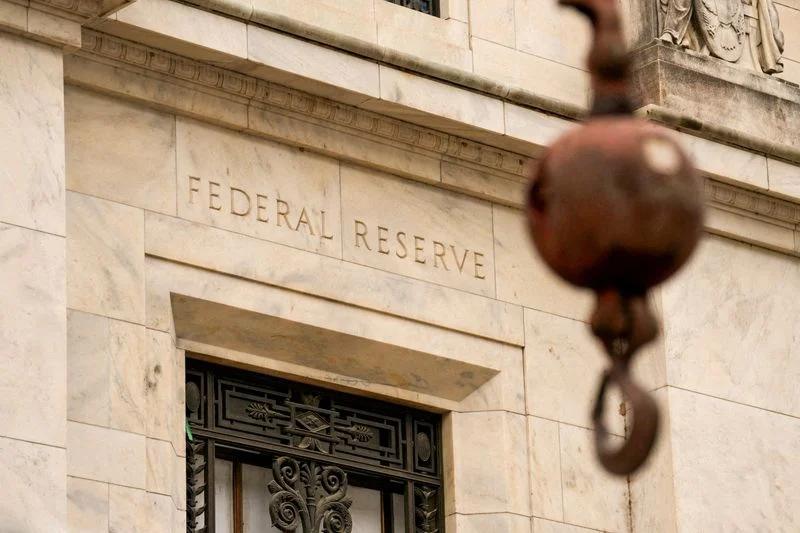
Economic activity in the United States edged up in recent weeks, while employment rose slightly and prices increased at a moderate pace, according to the Federal Reserve’s latest Beige Book.
The report, published on Wednesday September 2, will be considered by policymakers as they assess whether to raise interest rates at their meeting on September 15 and 16. It draws on information gathered by all 12 of the Fed’s regional banks up to August 24.
The central bank said the outlook for the coming months was generally positive, although confidence varied between sectors. Businesses reported greater uncertainty over higher energy costs, government policy and international conflict.
Prices and consumer spending
Price growth slowed in three of the Fed’s 12 districts, accelerated in one and was unchanged in the remaining eight. Some businesses said customers had become more sensitive to prices, limiting their ability to pass higher input costs on to consumers.
Energy, transport and raw-material costs were reported to be increasing, particularly in manufacturing and construction. Several districts also cited the effects of tariffs, while healthcare and insurance costs remained a significant source of pressure for firms.
Consumer spending was broadly mixed. Retail activity was steady overall, but some households were trading down to cheaper products and shopping more frequently at discount stores and warehouse clubs. Restaurant demand was weaker in some areas as higher food and fuel costs weighed on customers.
Housing markets also showed signs of strain. Contacts in the New York and St Louis districts reported slower sales, rising inventories and properties remaining on the market for longer, with inflation and mortgage rates discouraging some potential buyers.
Employment increased slightly overall, while wage growth remained modest to moderate. Some manufacturers and construction firms added staff, although shortages of skilled workers continued to restrict hiring in parts of the country.
The report also highlighted the mixed effect of artificial intelligence on labour demand. Some businesses were hiring to expand their use of the technology, while others said it had reduced the need for administrative staff. Demand was also reported to be rising for work linked to data centres and defence spending.
The Beige Book is one of several sources of information available to the Federal Reserve before its next rate-setting meeting. The report’s combination of modest growth and continuing cost pressures is expected to provide policymakers with a mixed picture as they weigh the path for interest rates.
