


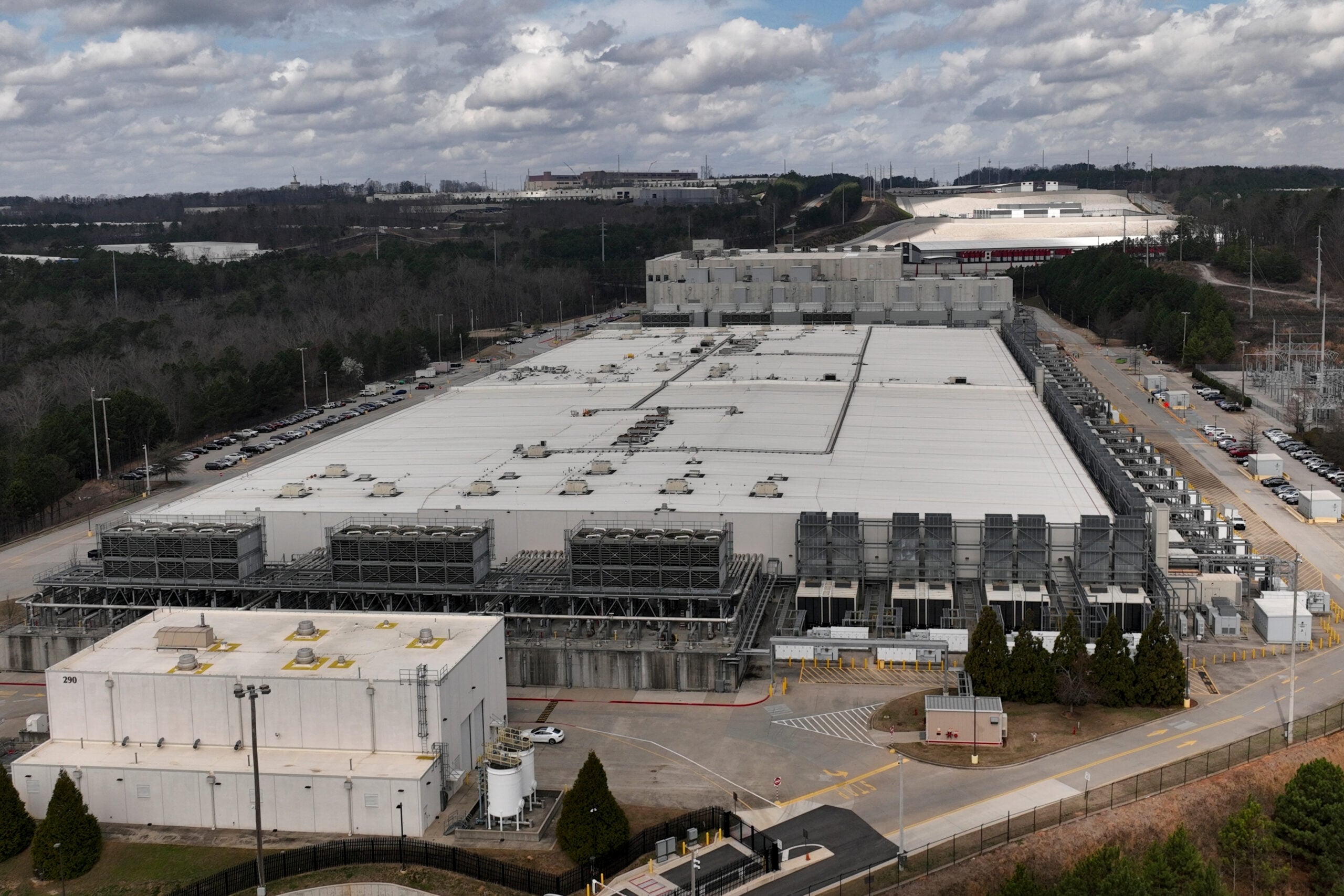
A new poll suggests Republicans face greater political blame than Democrats over tax breaks for technology companies, as voters voice growing concern about artificial intelligence and the expansion of data centres ahead of the November 3 midterm elections.
Forty-seven per cent of respondents associated the Republican Party with providing tax incentives to tech companies, more than double the 21 per cent who linked the issue to Democrats. The survey was conducted by PF Global.
Voters were also more likely to support candidates who want to remove tax incentives for data centres supporting the AI boom. About one in five said ending those breaks would be among their most important tax priorities, compared with one in ten who favoured creating new preferences for data centres.
The leading tax priorities identified in the poll were increasing taxes on billionaires and reducing breaks for large companies.
Voters turn against data centre incentives
The findings come as politicians from both parties respond to concerns about AI and data centre development, while technology executives and Silicon Valley companies are increasingly associated with the Republican Party.
Governors in both Democratic- and Republican-led states have sought to place new limits on tax incentives already approved for data centres. Republican senator Bernie Moreno of Ohio has proposed going further by imposing a 100 per cent tax on any state or local incentive offered to AI data centres.
Democrats have made the issue a particular focus. Former senator Sherrod Brown has highlighted data centre incentives in his campaign to unseat Ohio senator Jon Husted, a former state lawmaker and lieutenant governor.
“Jon Husted’s ‘deals’ gave wealthy tech companies a windfall and left Ohioans footing the bill,” Mr Brown said in a social media post.
Democrats have also targeted Meta, arguing that the company has reduced its tax liability by billions of dollars in recent years while expanding its AI operations. They have linked the growth in data centre construction to tax breaks approved by Republicans in last year’s wide-ranging tax legislation.
That legislation introduced incentives for companies across several industries. Big Tech has used the measures extensively, contributing to a significant reduction in corporate tax payments as spending on AI has increased.
Democratic politicians with ambitions for 2028 have proposed new taxes on AI companies. Democratic lawmakers have also backed legislation that would prevent data centres from using incentives including Opportunity Zones and bonus depreciation, both of which Republicans expanded in 2025.
In Georgia, Democratic senator Jon Ossoff referred to the legislation during a debate with Republican representative Mike Collins. “I want to know if you will commit to voting to repeal that data center tax scam that you voted for,” Mr Ossoff said.
It remains unclear whether opposition to AI and data centre incentives will result in new legislative restrictions in the coming months. But the poll found broad unease about the technology, with a majority saying tech chief executives had been secretive about its potential risks.
A plurality of respondents said the risks of developing artificial intelligence outweighed the benefits and that the Government should impose strict regulation on the emerging technology.
