


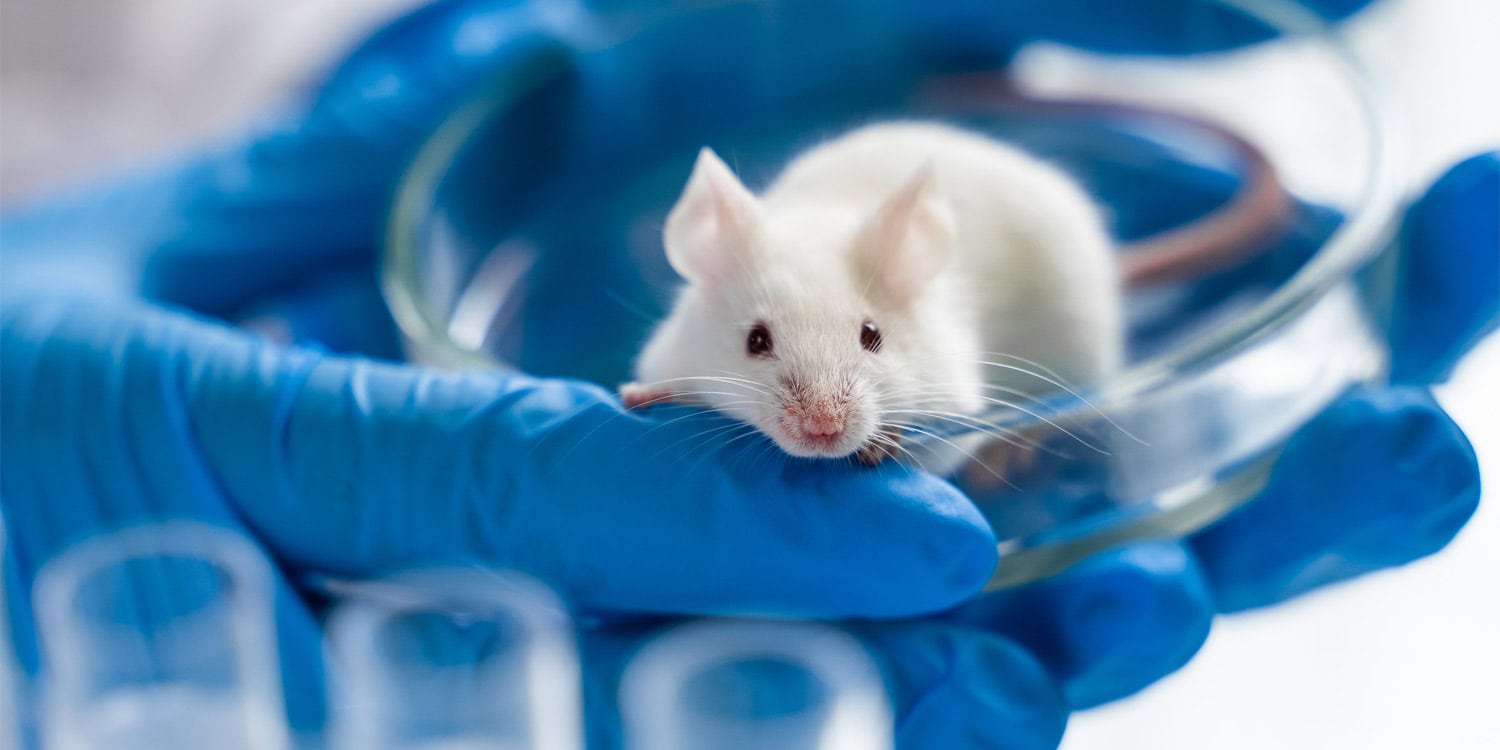
A study on mice has found that inflammatory pain experienced early in life can cause lasting social deficits, linked to an imbalance between excitatory and inhibitory activity in the anterior cingulate cortex. The researchers showed that boosting the region’s excitatory neurons, dampening its inhibitory neurons, or applying deep brain stimulation reversed the social deficits. The work was published in Translational Psychiatry and led by Xiangdong Wan of Xuanwu Hospital, Capital Medical University in Beijing.
The human brain develops through a complex interaction between genetic instructions and environmental experiences, with the early years being particularly plastic and sensitive to outside influences. Adverse experiences in childhood, such as abuse, neglect, social isolation or chronic stress, can alter brain development and leave lasting changes in structure and function.
The researchers focused on how early-life pain might influence brain systems responsible for social behaviour, examining the anterior cingulate cortex (ACC), a region involved in processing social information and the unpleasant aspects of pain. They proposed that early pain disrupts the balance between excitatory and inhibitory networks, potentially driving social deficits in later life.
Using both male and female mice, including genetically modified strains to target specific neuron types, the team could label, record and control neural activity through optogenetics or chemogenetics. To induce early-life inflammation, one hind paw of mice at 10 days old received Complete Freund’s Adjuvant, while a control group was injected with saline. Additional groups received injections at 6, 9, 12, 15, 18 or 21 days of age to probe timing effects.
By adulthood, the mice’s sensitivity to pressure and heat had returned to normal, but those subjected to early-life pain showed social deficits. Unlike controls, which preferred a chamber with an unfamiliar mouse over an empty cage, the pain-exposed mice showed no such preference. The deficit appeared in both sexes, persisted to at least 16 weeks of age, and occurred only when the injection was given at 12 days of age or younger.
The pain-exposed mice retained normal interest in a newly introduced mouse and did not display heightened anxiety, suggesting a specific impairment in social motivation rather than global anxiety or memory problems.
Neurophysiological measurements revealed that excitatory neurons in the ACC of pain-exposed mice were less active during social approach. In contrast, inhibitory neurons in the region did not decrease their activity as much as in controls, leaving the ACC relatively more inhibited. The study also reported less glutamate release and a smaller drop in GABA during social approach, along with fewer excitatory and more inhibitory neurons in the ACC.
Interventions targeting the ACC were able to rescue the social deficit. Increasing excitatory activity or reducing inhibitory activity, through light-based or designer-drug methods, reversed the social impairment in pain-exposed mice. In healthy animals, the opposite manipulations produced social deficits, underscoring a delicate balance in the circuit.
Infusing drugs that enhance glutamate signalling or block GABA receptors into the ACC also improved social behaviour, though the improvements were not complete.
The researchers implanted an electrode in the ACC to deliver deep brain stimulation (DBS), a technique already used in humans. At a setting that increased excitatory neuron activity with only mild activation of inhibitory neurons, DBS reversed the social deficit during testing. A higher setting triggered seizure-like reactions in some mice.
“This study unveils a core mechanism whereby early-life pain impairs social function by inducing a state of hypoexcitation [reduced activation] and hyperinhibition [increased inhibition] in the ACC [anterior cingulate cortex]. Furthermore, we establish that DBS [deep brain stimulation] can effectively rectify this ACC imbalance, providing a novel theoretical basis and a potential translational strategy for intervening in social deficits associated with developmental trauma,” study authors concluded.
The study’s authors note that the findings are preliminary and based on mice, not humans. While mice and humans share many genetic and physiological similarities, the brief inflammatory injury in pups is not equivalent to chronic pain in children. The researchers also acknowledged several methodological caveats: the study was not blinded to group allocation during testing, stimulation was only tested while on, and the estrous cycle in female mice was not tracked, which can influence social behaviour.
The paper is titled “Deep brain stimulation ameliorates social deficits from early-life pain by restoring excitatory/inhibitory balance in the anterior cingulate cortex” and lists Xiangdong Wan, Tao Du, Dou Yang, Zaiying Jiang, Xiangyu Zhang, Yunjian Huang, Siyi Liu, Shiyun Xu, He Zhang, Guang Lu, Bing Ni and Hongwei Zhu as authors.
