


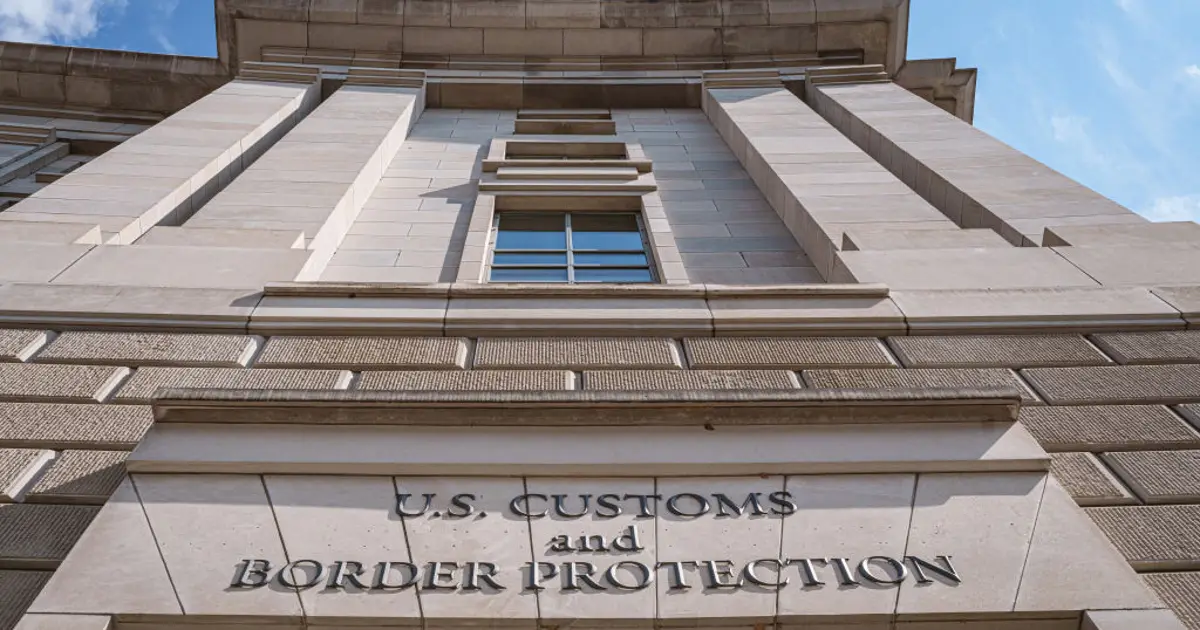
US Immigration and Customs Enforcement paid more than four times the assessed value for a warehouse in Oakwood, Georgia, before putting the property up for sale, a federal audit has found.
The agency paid $68.2 million for the facility, despite Hall County valuing it at nearly $15 million. ICE also paid $128.6 million for a larger warehouse in Social Circle, more than double its $58.3 million tax assessment and more than four times the $29.4 million paid for the property in 2023.
The findings are contained in a performance audit by the US Government Accountability Office, which examined ICE’s rapid expansion of detention capacity. The review was requested by four Democratic congressional ranking members.
ICE bought 11 warehouses across the US between January and March 2026, spending $1.07 billion on properties intended for conversion into detention and processing centres.
However, the agency is now working with the General Services Administration to sell seven of the warehouses, including the Social Circle site. Auditors have not determined how much money the government could lose when the unwanted properties are sold.
ICE warehouse expansion scaled back
The purchases followed a nationwide push to increase detention capacity after an executive order issued in January 2025. Congress later approved billions of dollars for ICE detention, including $45 billion in July 2025 and more than $31 billion in June 2026.
The warehouse programme faced legal challenges in other states and was reviewed by Homeland Security Secretary Markwayne Mullin. In June, he said the department had reassessed the plan because proper planning and due diligence had not been completed beforehand.
The audit said ICE should assess cost-effectiveness and prepare estimates before investing in detention centres. It also recommended that the agency keep its spending plan for detention funding up to date.
ICE had already spent $20.5 million on inspections, utilities and security across the 11 warehouse sites. Auditors warned that taxpayers would not recover those costs.
The report also found that ICE paid an average of $13 million a month for unused beds at four newly acquired detention centres between October 2025 and April 2026. That included more than $540,000 a month for about 150 vacant beds a day at the Folkston D. Ray Processing Center in south Georgia.
Officials said guaranteed minimum payments protected operators from financial losses and enabled ICE to secure detention space quickly during urgent increases in demand.
After scaling back the warehouse plan, ICE spent a further $2.2 billion over the summer buying four existing detention facilities. Officials acknowledged the purchases were not expected to save money, but said ownership would allow the agency to continue operating in areas where local governments oppose immigration enforcement.
The expansion also put pressure on oversight. As the number of detention centres rose from 129 to 261, nearly two-thirds of ICE’s contract-monitoring posts were vacant, with 55 of 87 positions unfilled.
The Department of Homeland Security agreed with the audit’s recommendations in a response letter dated November 6. It said ICE was developing a standard review process that would consider options including leasing, renovation and the use of existing government space.
DHS said it had updated ICE’s warehouse spending plan after the programme was reduced and had approved plans for 2027. Auditors said the recommendation remained open pending detailed budget projections for individual projects.
No timetable has been announced for the sale of the Social Circle warehouse or any other Georgia properties included in the disposal programme.
