


Senate Republicans’ main super PAC is redirecting millions of dollars to defend a vulnerable seat in Kansas while withdrawing planned advertising from a Republican-held seat in North Carolina, as the party’s fight to retain control of the chamber intensifies.
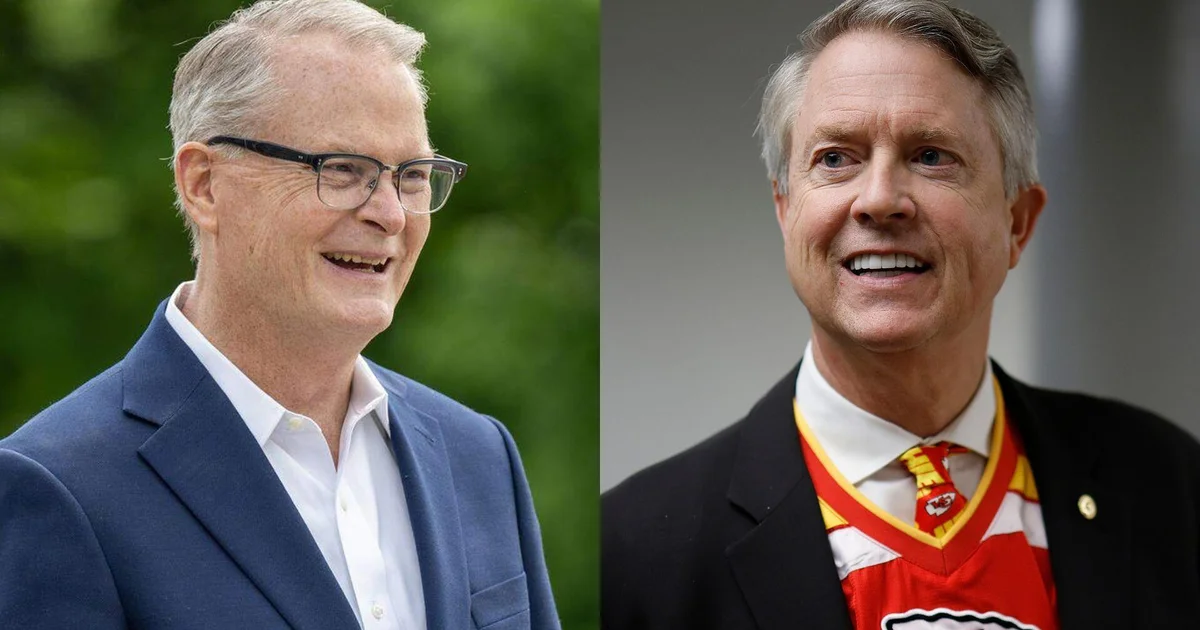
The Senate Leadership Fund had reserved $9.8 million in advertising in Kansas by Friday, where Republican Senator Roger Marshall is facing a strong challenge from Democratic pastor Adam Hamilton.
In North Carolina, the group has paused future advertising after spending more than $30 million on the contest this year. The move comes as polling gives former Democratic governor Roy Cooper an advantage over Republican candidate Michael Whatley, a close ally of Donald Trump and former chairman of the Republican National Committee.
Republicans can afford to lose up to three seats and retain their Senate majority, but the party is defending several traditionally Republican states amid an unfavourable political climate.
Money shifts to Kansas Senate race
Kansas has not elected a Democrat to the Senate since 1932, but Mr Marshall’s contest has tightened. One recent poll put him and Mr Hamilton effectively level, with the Democrat campaigning on discontent over energy prices and the war in Iran.
The additional Republican spending is expected to fund a barrage of television advertising against Mr Hamilton. An advert released by Mr Marshall’s campaign accused the pastor of covering up child abuse at the church where he is senior pastor.
Mr Hamilton rejected the allegation in a response advert. He said the church had investigated claims involving a youth retreat volunteer more than 20 years ago, reported the individual to police and barred them from church programmes. An investigation of court records supported that account.
Mr Hamilton described the Republican advert as “exactly the kind of dirty politics … that everybody hates”.
His spokesman, Tyson Brody, said Washington was “panicking over desperate failing politician Roger Marshall” and accused the senator of supporting the war in Iran, cutting healthcare and contributing to higher prices for fuel and groceries.
North Carolina contest remains closely watched
Mr Trump has held a rally for Mr Whatley in North Carolina, but acknowledged concerns about his prospects when asked by reporters whether he was worried.
“I am,” Mr Trump said. “I hope he wins. He’s a great man, he was a great leader for the whole Republican Party when I won, and he’d be a great senator.”
Mr Cooper’s campaign manager, Jeff Allen, said North Carolina remained a “50-50 state”, noting that Democrats had not won a Senate or presidential race there in almost two decades.
Mr Whatley’s spokesman, DJ Griffin, said undecided voters who made up their minds late had typically favoured Republicans in North Carolina. He said the campaign had enough resources to highlight what he called Mr Cooper’s “40 Years of Failures” and win in November.
At a private meeting last month, Senator Tim Scott of South Carolina, who chairs the National Republican Senatorial Committee, told Republican lawmakers that the party still had a route to preserving its majority.
Mr Scott said Republicans would concentrate on defending seats including those in Maine and Texas, while also targeting Democratic-held seats in New Hampshire and Michigan. “We’re in the fight for our lives with a record number of toss-up races,” he said.
