


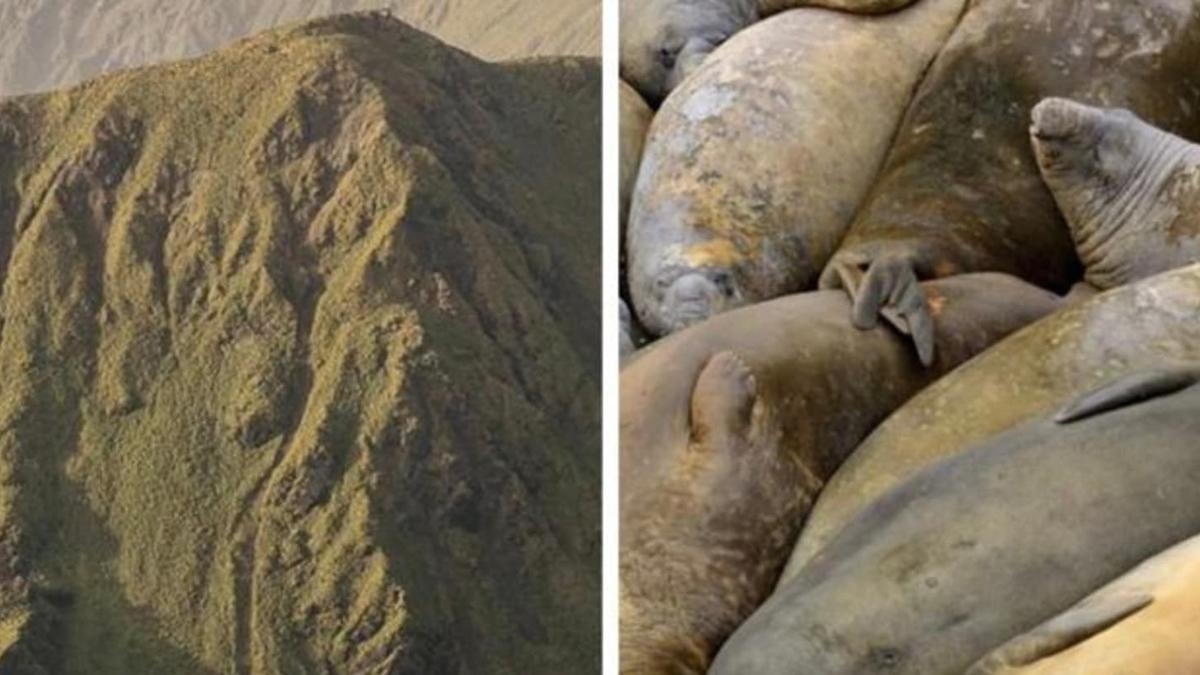
H5 avian flu has been detected in a southern elephant seal and a kelp gull on Macquarie Island, the first recorded detection of the virus on the remote conservation area.
The island lies about 1,500 kilometres south-east of Tasmania and is administered as part of the state. The findings will therefore be included in Tasmania’s H5 bird flu reporting, officials said.
Australian Chief Veterinary Officer Beth Cookson said there was no evidence of mammal-to-mammal transmission of H5 bird flu in Australia and that the risk to humans remained low.
“There remain no detections in Australian poultry or in our agricultural production system,” she said.
Tasmania’s Environment and Climate Change Minister Guy Barnett said samples taken from a southern elephant seal and a kelp gull had been returned with workers stationed on Macquarie Island before testing positive.
“This is the first recorded detection in a marine mammal in Tasmania,” he said.
Workers to be evacuated from Macquarie Island
Dozens of workers were told in August that they would be evacuated from the island this spring amid fears of a potential H5 bird flu outbreak.
Australia’s icebreaking research and supply vessel, RSV Nuyina, is travelling to Macquarie Island to evacuate Australian workers stationed there.
Scientists fear there is a high chance of a significant mortality event during this year’s breeding season. Elephant seals are susceptible to H5 bird flu, with a 90 per cent mortality rate recorded among pups on the sub-Antarctic Australian territories of Heard Island and McDonald Islands.
