


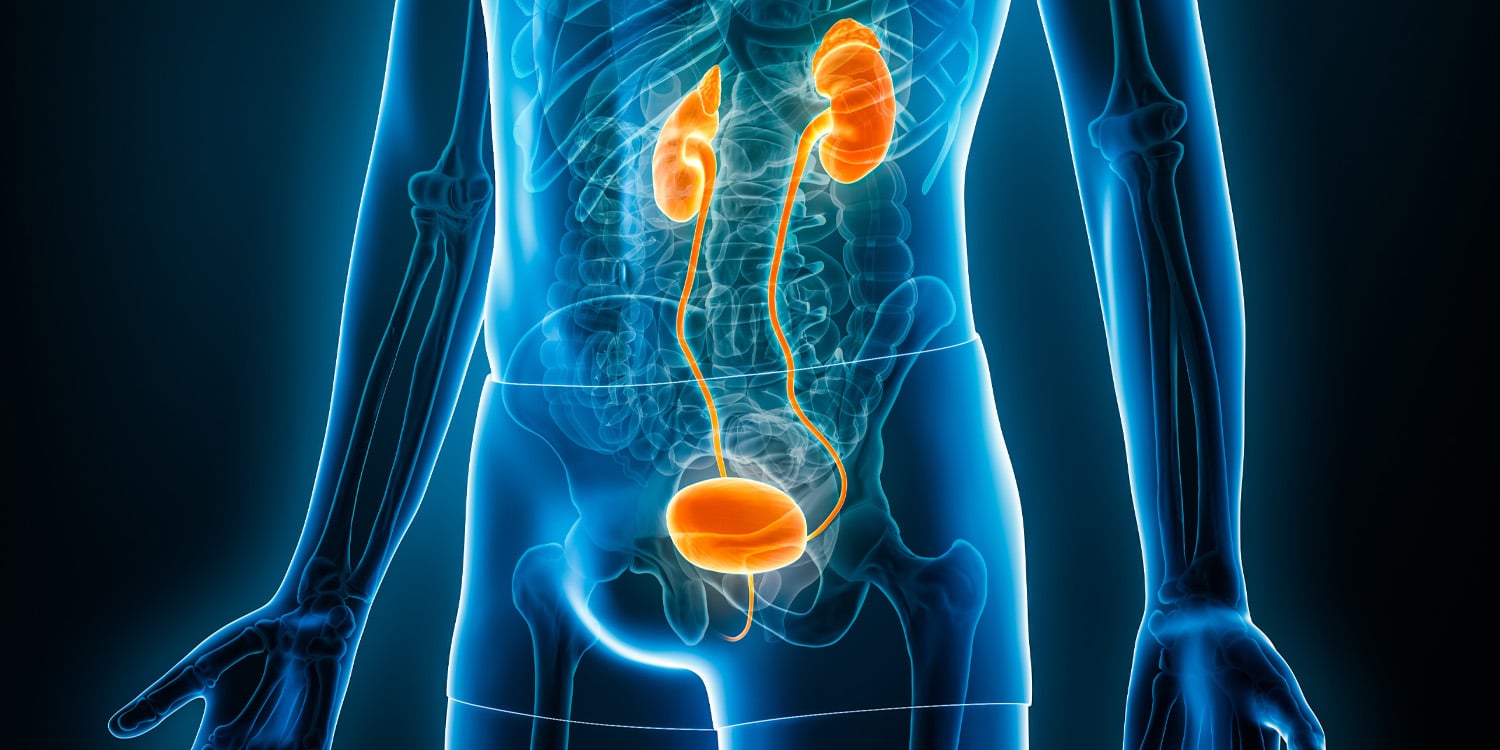
Researchers at the University of Bristol have revealed how liraglutide, a glucagon-like peptide-1 receptor agonist used to treat diabetes and obesity, may alter the brain–kidney axis that regulates body fluids. In a study published in Science Advances, the team shows the drug acutely lowers levels of arginine vasopressin, the key hormone for conserving water, and changes how signals from the brain reach the kidneys.
Glucagon-like peptide-1 receptor agonists mimic a natural digestive hormone, helping people feel full and prompting insulin release to manage blood sugar. Doctors have long observed that patients taking these medicines often lose water and sodium in urine, with nausea and diarrhoea common side effects that can lead to dehydration, though the precise mechanisms behind fluid balance have remained unclear.
The body’s primary system for regulating water hinges on arginine vasopressin, produced by specialised neurons in the brain and stored in the pituitary gland before release into the bloodstream to conserve water.
Lead researcher Michael P. Greenwood of the University of Bristol and colleagues set out to test whether liraglutide disrupts this chain of events. Their human study involved sixteen healthy adults who provided blood and urine samples before and after a single dose of liraglutide, with a mildly salty drink given to prompt minor hydration changes.
The findings showed that liraglutide acutely reduced blood levels of arginine vasopressin and lowered the related marker copeptin, which is released alongside the main hormone. The drug also decreased plasma potassium and increased sodium excretion in the volunteers’ urine.
To explore longer-term effects, the researchers turned to rats, administering liraglutide or a saline placebo to both male and female animals for fourteen days and monitoring daily food and water intake. In the initial hours, the drug predictably reduced intake of both food and water, but over the full fourteen days treated rats began drinking more water relative to food than controls, indicating a disturbance in normal fluid regulation.
The team then examined tissues involved in producing and storing vasopressin. In the hypothalamus—the brain region producing the hormone—there were no changes in the activity of the genes responsible for its production. However, in the pituitary gland, the amount of stored vasopressin decreased, and in female rats copeptin levels in the blood were lower after fourteen days.
To uncover why the pituitary released less hormone, the researchers analysed the entire protein landscape of pituitary tissue. They collected samples at four hours and fourteen days after drug administration and used advanced protein-scanning techniques to map protein abundance and phosphorylation—the chemical tags that act as molecular switches.
These proteomic profiles differed markedly by treatment duration and sex. Early changes occurred in both sexes, but by day fourteen, female rats showed a major shift in protein abundance and tagging, including numerous modifications to proteins involved in packaging and releasing hormones from storage vesicles that hold vasopressin. Two key vesicle-management proteins acquired distinct chemical tags in female rats after fourteen days.
To test whether these specific protein modifications could directly alter hormone release, the researchers engineered a laboratory cell culture. They introduced synthetic genes to mimic the observed modifications and measured the release of a glowing marker designed to imitate arginine vasopressin. Altering these release‑promoting proteins inhibited secretion, and mutating the proteins to block the chemical tags prevented secretion altogether, confirming the drug’s impact on pituitary hormone reserves at a cellular level.
Finally, the researchers examined the kidneys. Under normal conditions, vasopressin signals the kidney to deploy aquaporin water channels to reabsorb fluid. In treated rats, the genes responsible for building these channels were less active, and the aquaporin proteins carried tags that mark them for destruction, effectively dampening the kidney’s ability to retain water.
While the study illuminates a potential mechanism by which liraglutide affects fluid balance, it carries limitations. The human portion involved a small sample size and a single dose, without clear differences between men and women. In the animal experiments, the researchers did not measure urine volume directly. Future work will be needed to assess how these hormonal shifts translate to patients taking the drug over months or years, and what this might mean for kidney and cardiovascular risk in those with fluid-retention issues.
The study is titled “A clinical and experimental investigation of liraglutide effects on the brain–kidney axis” and is authored by Michael P. Greenwood, Mohammed I. Alotaibi, Soledad Bárez-López, Nathan W. P. Cantley, Sharon Merritt, Danijela Tatovic and David Murphy.
