


A new small study suggests that sleeping for less than four hours diminishes physical endurance by reconfiguring how the brain’s networks communicate, rather than merely fatiguing the muscles. The study, published in the International Journal of Psychophysiology, was led by Chengcheng Zhu and Puyan Chi and their colleagues, who sought to understand the brain mechanisms behind central fatigue.
Central fatigue is the idea that the brain plays a decisive role in how long a person can continue a physical task. When resources seem scarce, the brain can prematurely cut the electrical signals sent from the brain to the muscles, causing exhaustion even if the muscles themselves are still capable of work.
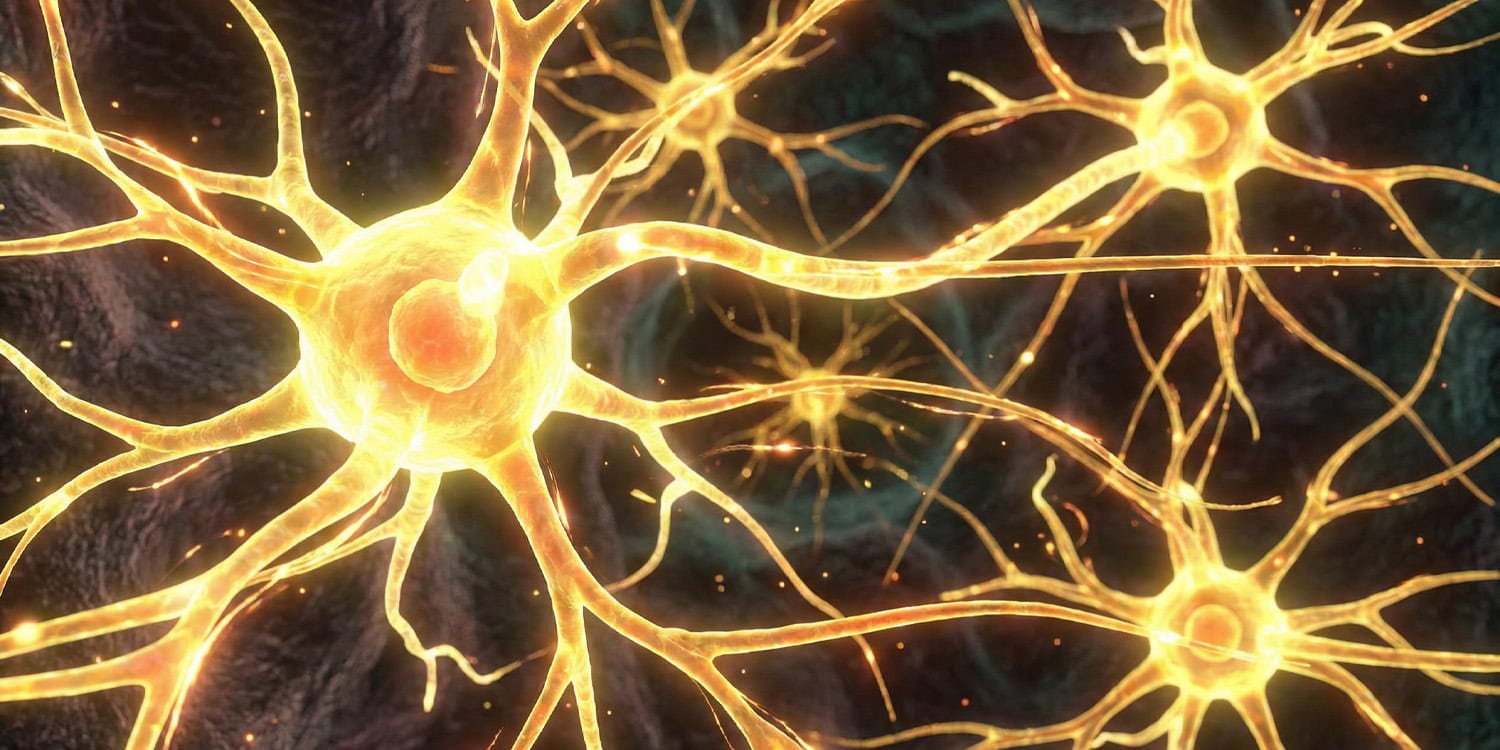
The researchers describe the brain as a set of interconnected networks rather than a collection of isolated regions. They focus on four large-scale networks: the default mode network, which is active during mind-wandering and rest; the central executive network, which handles focused tasks; the sensorimotor network, which plans and executes movements; and the salience network, which helps switch attention between internal and external demands.
To probe how sleep loss affects these networks during physical effort, the team studied isometric contractions—holding a steady force without changing muscle length. They tracked how sleep restriction altered brain-wave activity as participants worked to exhaustion on a held arm task.
Fifty per cent of the study’s design involved 35 healthy male college students who regularly undertake strength training. Each participant completed two sleep conditions separated by at least three days to avoid lingering fatigue: a normal night of sleep, defined as more than seven hours, and a restricted night in which they stayed awake until 03:00 and were woken at 07:00, yielding under four hours of sleep.
Before the task, researchers recorded brain activity with electroencephalography while participants rested. They then performed the isometric exercise: the right arm bent at a right angle with a 30 per cent maximum bicep load applied via an elastic band, maintained until exhaustion. Electrical activity of the bicep was monitored with electromyography alongside continuous brain monitoring.
The muscle data showed little difference in peripheral fatigue between the two sleep conditions—the muscles tired at a similar rate regardless of prior sleep. The key finding was in brain activity: after sleep restriction, participants exhibited increased connectivity within several networks across theta, beta and gamma frequency bands while at rest, with the central executive network showing stronger links to other regions as a compensatory response.
Once the physical task began, the sleep-restricted brain displayed weaker connections across theta, alpha and beta bands. In particular, the sensorimotor network’s connections with the default mode and salience networks weakened, making it harder for sensory feedback from the strained arm to be integrated with motor commands crucial to keeping the contraction steady.
Under normal sleep, the data showed a negative correlation between endurance and the connection between the sensorimotor network and the default mode network: a weaker link tended to coincide with longer endurance, suggesting the rested brain efficiently suppresses the daydreaming default mode network to prioritise the task.
After sleep restriction, that relationship reversed. Greater sensorimotor-default mode connectivity correlated with longer endurance, a pattern the researchers interpret as a loss of top-down control, with the sleep-deprived brain attempting to recruit the default mode network to sustain the contraction—an indicator of neural inefficiency.
The authors caution that the study’s sample was small and limited to young, healthy men, which may limit applicability to women, older adults or clinical populations. They also note that the research examined only a single instance of severe sleep loss and only one type of stationary muscle contraction, leaving questions about how chronic sleep deprivation or dynamic activities might impact the brain’s control of physical effort.
The study, “Changes in athletes’ brain network connections during isometric muscle contractions after sleep restriction,” is credited to Chengcheng Zhu, Ting Peng, Jing Song, Aiping Chi, Xin Wei and Puyan Chi.
