


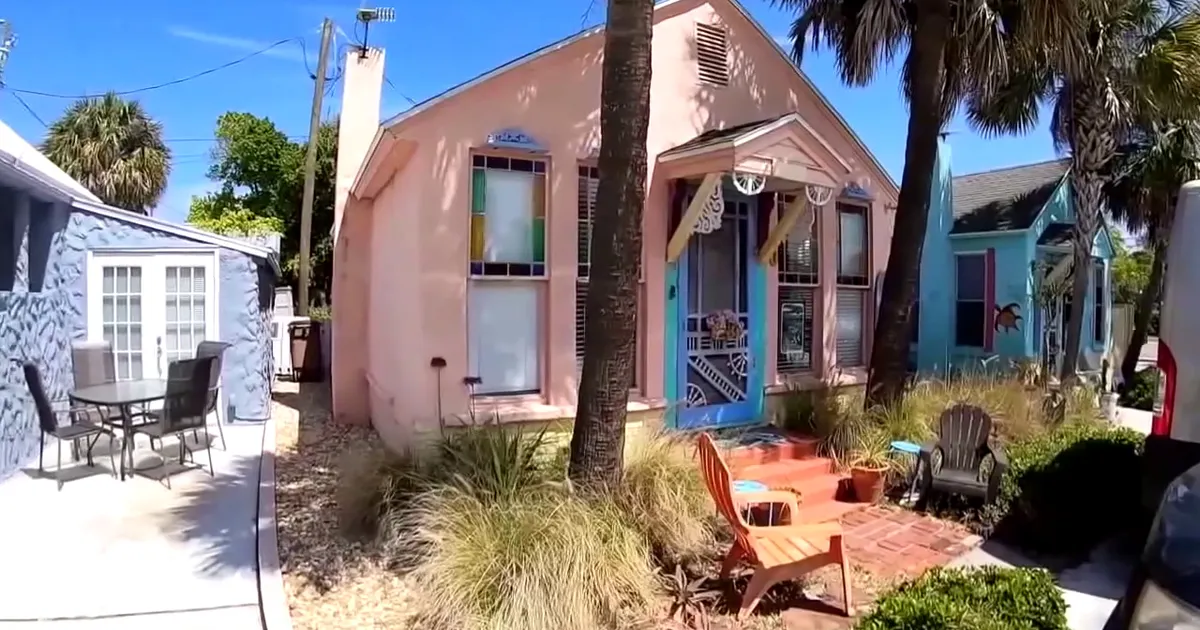
Hillsborough County commissioners have approved new short-term rental regulations requiring owners to register their properties, pay an annual fee and take responsibility for guests who breach local rules.
The ordinance, which applies to short-term vacation rentals in unincorporated parts of the Florida county, will come into force on January 1, 2027. It was passed unanimously following complaints about noise, parking problems and disruptive visitors.
Short-term rental owners face new requirements
Owners will have to register each property with Hillsborough County and pay $200 a year. They must also nominate a local representative who can be contacted around the clock and reach the property within one hour if a complaint or suspected violation is reported.
Guests must be given information about the county’s noise ordinance, parking restrictions, rubbish and recycling collections, and other safety requirements. Owners could also face fines if their guests break county codes.
The county has more than 3,000 short-term vacation rentals, according to figures cited during discussions over the measure. Officials estimate the registration scheme could raise about $600,000 in its first year.
The rules will allow inspections of rental properties. Owners or managers who fail to attend a scheduled inspection could be charged an additional $50, while violations identified by inspectors must be corrected within 30 days.
Hillsborough County currently has no specific local regulations for short-term rentals beyond rules imposed by the state, Commissioner Harry Cohen said. He proposed the ordinance after hearing concerns from residents, including those in the Baycrest community west of Tampa.
Residents there have reported a rise in holiday lets and alleged problems involving large gatherings, excessive noise and visitors causing disruption in the neighbourhood. Some have called for mandatory safety inspections before registration and tougher penalties, including the removal of a property’s registration after repeated breaches.
There were also concerns during the commission’s debate that the annual charge and inspection requirements could place a disproportionate burden on smaller property owners. Questions about random inspections and the level of the fee are expected to be revisited once the scheme has been operating.
Mr Cohen said the new rules were intended to provide neighbourhoods with a faster way to secure help from county enforcement staff when problems arise.
“I want to assure everyone this really is just the beginning of the process,” he said. “But it’s a very meaningful step forward that is going to give the neighbourhoods some relief.”
He has asked county staff to produce a report 90 days after the regulations take effect. Commissioners will then assess whether the system is working and decide if further changes are needed.
