


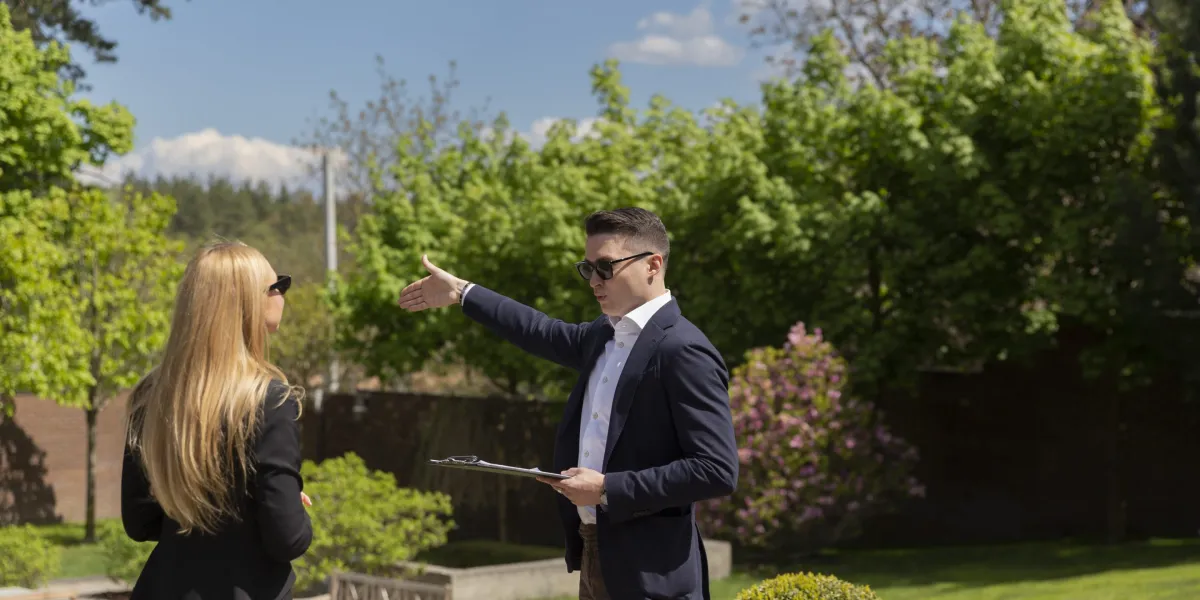
Stealth wealth home buying is gaining ground among Silicon Valley’s richest residents, with technology and artificial intelligence executives using limited liability companies, privacy trusts and discreet listings to keep multimillion-dollar property deals out of the public eye.
The priority for many buyers and sellers is no longer publicity or the highest possible price, but anonymity and security. Ken DeLeon, founder of Palo Alto-based DeLeon Realty, said the trend had become increasingly visible over the past three years as more wealthy people moved into the area.
“Increased wealth brought about greater security concerns and a stronger desire for privacy,” Mr DeLeon said. He added that AI had driven some of the largest wealth creation Silicon Valley had seen in 25 years, while also becoming an increasingly controversial subject.
That combination, he said, had intensified the desire among wealthy homeowners to avoid attention and limit the paper trail connecting them to their properties.
How Silicon Valley ‘whisper’ listings work
Private transactions can involve so-called “whisper” listings, which are circulated among only a small number of luxury brokers rather than being placed on the multiple listing service.
There may be no online property alert, open house or roadside sign. In some cases, a home is quietly offered to just three to five prominent brokers in the area before changing hands.
“Some sellers prioritise privacy over price and are willing to sell off market to avoid exposure,” Mr DeLeon said.
The approach has been used in some of the most expensive parts of Silicon Valley. Atherton recorded a median sale price of 8.33 million dollars in 2025, up 5 per cent on the previous year and a new high for the Bay Area town.
The area’s biggest deal of the year was the 51.5 million-dollar sale of a 10,000-square-foot estate formerly owned by technology executive Stephen Luczo. The property was sold off market.
Privacy concerns have also been sharpened by security incidents involving prominent technology figures. In April, a man threw a Molotov cocktail at OpenAI chief executive Sam Altman’s home in San Francisco, setting fire to an exterior gate.
Authorities later alleged that the 20-year-old suspect had travelled from Texas intending to kill Mr Altman and had written about the alleged risks posed by AI.
“Events like this have made people want to distance themselves further from public attention and increased their desire to remain anonymous,” Mr DeLeon said.
Property ownership hidden behind companies and trusts
For high-end clients, the attempt to remain anonymous can continue beyond the marketing of the property. Ownership may be placed in an LLC or privacy trust, with the company’s manager kept separate from people directly associated with the buyer.
“Sophisticated clients want to structure things carefully, making sure the manager of the LLC is not someone directly associated with them, such as their personal attorney,” Mr DeLeon said.
The same arrangements can be used for utilities, deliveries and packages, including toys ordered for children, so that the owner’s personal name does not appear in routine transactions.
Luxury brokers increasingly act as intermediaries, meeting contractors, signing for inspections and handling practical questions on behalf of clients. In some deals, neither the buyer nor the seller wants the other side, or even vendors, to know their identity.
“I try to serve as a buffer for my clients throughout the entire process, ensuring that vendors and other involved parties do not know the identity of the principal,” Mr DeLeon said.
The price of off-market sales
The trade-off for secrecy can be financial. An off-market sale reaches fewer potential buyers, reducing competition and often resulting in a lower offer than a fully advertised transaction.
Research covering 2.7 million US home sales found that properties sold away from the multiple listing service in 2023 and 2024 typically achieved almost 5,000 dollars less than those marketed publicly. The median difference was 1.5 per cent, while in California it widened to 3.7 per cent, or about 30,075 dollars per home.
In New York, privately marketed residential sales in Brooklyn, Manhattan and Queens rose by at least 30 per cent year on year between 2024 and 2025. Brooklyn alone recorded about 5.4 billion dollars in such transactions.
US industry rules require agents to submit a listing within one business day of publicly marketing it. Since March 2025, sellers have been able to request delayed marketing, but must first sign a written disclosure acknowledging the consequences.
Mr DeLeon said some brokerages promoted off-market transactions for reasons beyond protecting a client’s privacy, including reducing marketing costs and improving the chance of collecting commission from both sides of a deal.
He said the trend could eventually reverse if sellers were made fully aware that anonymity was likely to reduce the price achieved. They might then choose broad exposure, even at the cost of giving up some privacy.
