


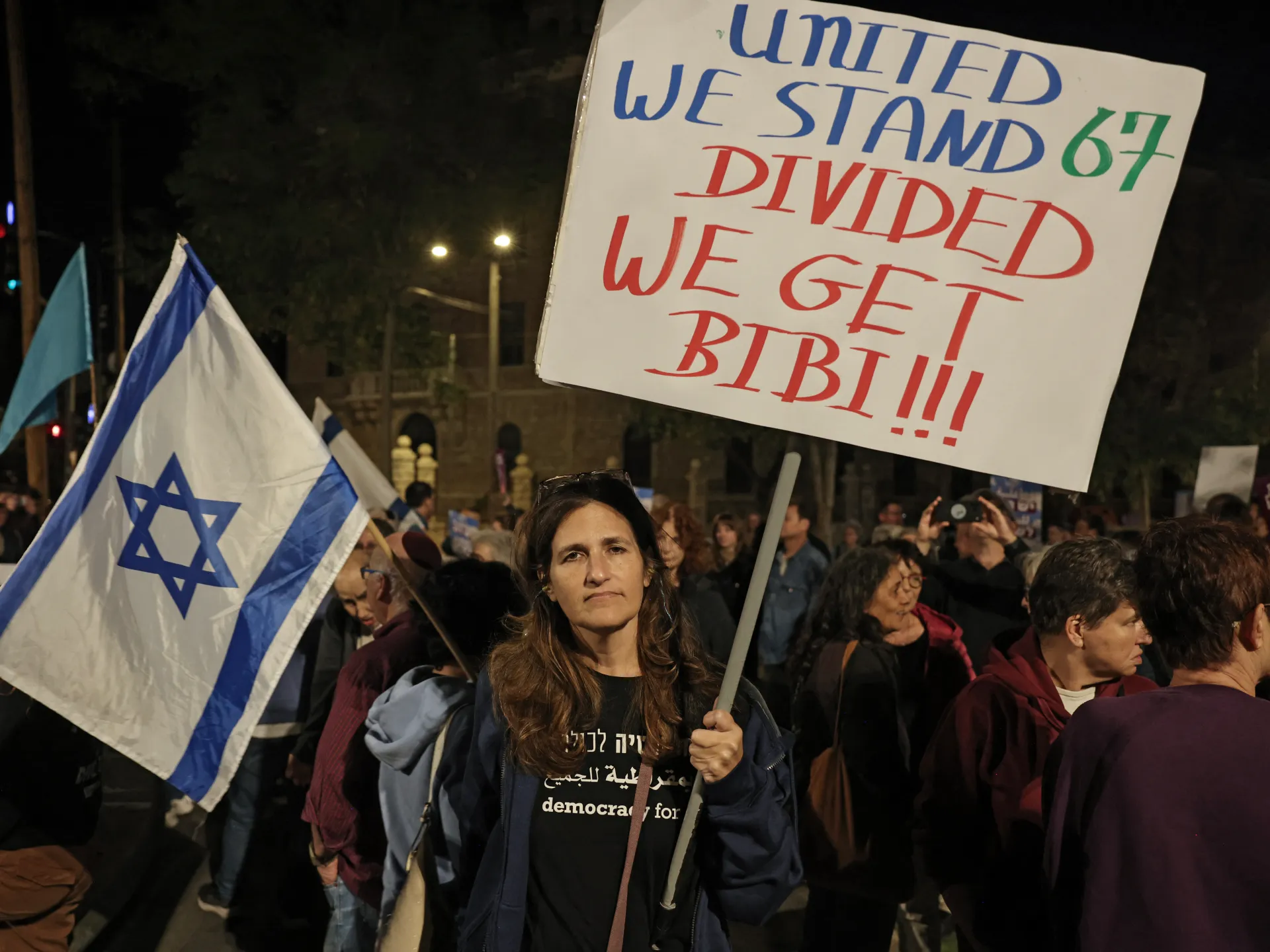
Israel’s election results have left Benjamin Netanyahu without a parliamentary majority and his opponents short of one too, setting the stage for weeks of negotiations over who will form the next government.
Netanyahu’s coalition secured 53 of the 120 seats in the Knesset, while a bloc of Jewish parties opposed to him won 48. Arab-led parties took the remaining 19 seats, leaving no existing alliance with the 61 needed to govern alone.
The outcome means parties may have to cross political lines to assemble a coalition. Possible arrangements include a unity government bringing rivals together, a minority administration dependent on outside support, or another election if negotiations fail.
Israel election results leave coalition timetable
The results must be formally certified and submitted to President Isaac Herzog by November 4. The new Knesset is due to be sworn in on November 10.
By November 11, Mr Herzog must ask one incoming member of the Knesset to try to form a government. He is expected to consult party leaders before choosing the candidate he believes has the strongest chance of building a coalition.
The nominee will have 28 days to reach an agreement, with the possibility of a further 14-day extension.
Mr Herzog has not said whom he will nominate first. The leading possibilities are Mr Netanyahu and Gadi Eisenkot, a former Israeli military chief whose Yashar party won the most seats among the opposition parties.
Israeli media have reported that Mr Eisenkot could have an advantage because some Arab-led parties are considering supporting him in an effort to remove Mr Netanyahu from office.
Mr Herzog has called on politicians to abandon rigid positions and seek “creative solutions” to prevent another election. Before polling day, he said he would do everything possible to avoid another election cycle, including pressing for a national unity government involving Mr Netanyahu and Mr Eisenkot.
Could Arab-led parties support the opposition?
Mr Eisenkot and other opposition leaders have previously ruled out forming a partnership with Arab-led parties. But former prime minister Ehud Barak has argued that they could change their position.
“If Netanyahu had a similar problem, he would immediately invite Mansour Abbas” and “give him the role of a minister of interior”, Mr Barak told France 24. Mr Abbas, the leader of Ra’am, has indicated that his party could work with the opposition camp, according to Israel’s Channel 12.
Yousef Jabareen of the Arab-led Joint List said his party was prepared to support the “ousting of the Netanyahu government”. Writing on X, he said: “The change comes through Jewish-Arab partnership, a true and equal partnership.”
Arab-led parties would not necessarily need to join a coalition formally. They could instead support it from outside by helping it secure confidence in the Knesset.
If Mr Herzog’s first choice fails, he can ask another Knesset member to form a government within 28 days. Should that attempt also fail, a majority of lawmakers could nominate a third candidate, who would have 14 days to try to reach an agreement.
A minority government could still be formed without the backing of 61 members, provided it secured support from smaller parties, including Arab-led parties. The competing factions could also negotiate a power-sharing deal involving rotating prime ministers.
If no arrangement can be reached, the Knesset would be dissolved and Israelis would return to the polls. A new election would have to be called within 90 days.
Until a new administration is formed, Mr Netanyahu will remain caretaker prime minister. If the talks continue for months, he could stay in office even if he ultimately fails to join the next governing coalition.
