


Victoria’s Coalition opposition has pledged a sweeping reset of the state’s mental health system, including reviews of its billion-dollar levy, an overhaul of the sector watchdog and a new strategy to address workforce shortages.
The package, to be announced on Tuesday ahead of November’s election, would also establish a Youth Mental Health Centre of Excellence overseen by Orygen and fund planning for a standalone 50-bed youth mental health hospital in Parkville.
Opposition mental health spokeswoman Emma Kealy said the Coalition would begin separate reviews of the Mental Health and Wellbeing Levy, the Mental Health and Wellbeing Commission and the state’s progress in delivering the recommendations of its 2021 royal commission.
The levy, introduced to fund mental health reforms, has raised $1.2 billion. The proposed audit would examine whether the money has been used as intended.
A review of the Mental Health and Wellbeing Commission would consider giving it stronger powers, a wider remit and greater independence. The commission was established to monitor the system and oversee implementation of the royal commission’s recommendations.
The proposed changes follow concerns that Victoria’s mental health system remains under severe strain more than five years after the state government accepted all the royal commission’s recommendations. Problems identified include shortages of mental health beds, delays in emergency departments and services failing to meet targets for admitting acutely unwell patients.
There have also been reports of two youth suicide clusters, rising violence against mental health workers and the resignation of the head of Parkville Youth Mental Health and Wellbeing Service after it emerged she had been running the service on a fly-in, fly-out basis from Brisbane.
Youth mental health overhaul proposed
The Coalition says its proposed centre of excellence would bring together research, clinical expertise and innovation, with the aim of improving youth care across Victoria from prevention and early intervention through to acute treatment, housing and recovery.
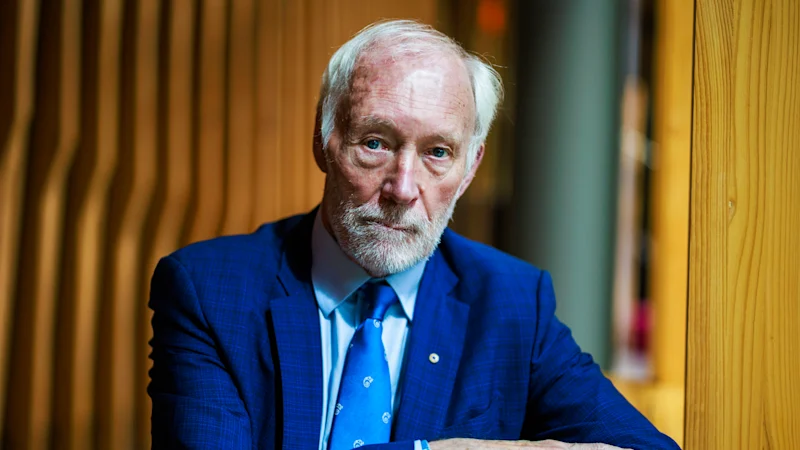
Orygen executive director Professor Pat McGorry said Melbourne’s north-east, an area with more than two million people, currently had only 16 youth mental health beds.
“Victoria is in the grip of a youth mental health crisis and has so far failed to respond to this effectively. The commitments announced today represent a major step forward in tackling this crisis,” Professor McGorry said.
He said making Orygen the Victorian Centre of Excellence in Youth Mental Health would help create a collaborative system across state health services and improve access to evidence-based care.
The Coalition would commit $5 million to develop a masterplan for the Parkville hospital, which would serve Melbourne’s north-west and parts of regional Victoria. Design work and detailed costing would be completed by June 2030.
Within its first 100 days in office, the Coalition would also establish a strategy to expand the mental health workforce, backed by a targeted $50 million fund to address skills and staffing gaps.
Kealy said the proposed changes were intended to make services easier for young people and their families to navigate.
“For a young person struggling with their mental health, the system shouldn’t be a maze. They shouldn’t have to become sicker before they qualify for help, and their parents shouldn’t be left desperately ringing service after service trying to find someone who can help,” she said.
The opposition has also promised to reform governance at Parkville Youth Mental Health and Wellbeing Service and publish a new blueprint setting out proposed funding and delivery timelines.
“Five years after the royal commission, too many Victorians are still waiting too long, travelling too far or reaching crisis point before they can get the mental health care they need,” Kealy said.
