


A six-day sewage crisis that shut more than a dozen beaches along Massachusetts’s North Shore appears to be drawing to a close, after the city of Haverhill confirmed on Wednesday that the flow of raw wastewater into the Merrimack River had finally been halted — just in time for the Fourth of July holiday weekend and an incoming heatwave.
Haverhill Mayor Melinda Barrett said a temporary bypass system was now redirecting wastewater to a treatment plant, describing the development as “a major milestone in the emergency response.” She said stopping the discharge had been the city’s “highest priority” since the incident began, crediting contractors and engineers who had “worked around the clock over the past several days” to make it happen.
The crisis began on 25 June, when a contractor carrying out sewer work accidentally released around 60,000 gallons of wastewater into the river, prompting a precautionary 48-hour beach closure. Before that closure could be lifted, the situation worsened considerably: during heavy rain on 27 June, crews discovered two separate breaks in a 42-inch sewer force main near Haverhill’s South Mill Street pumping station. According to WBUR, the city estimated that roughly 8 million gallons of untreated wastewater were entering the river every day as a result — a continuous discharge of raw sewage, rather than the rainwater-diluted overflow more typical of such incidents.
The scale of the spill drew in state authorities. Governor Maura Healey said she had directed multiple agencies to assist Haverhill with the response and pledged a full investigation into why the pipe failed, describing the episode as a reminder that ageing water infrastructure was under growing strain from increasingly extreme weather. Officials said a barrier placed in the river had successfully stopped solid debris from washing downstream, and that both the city’s drinking water and toilet-flushing sewer service had continued to function normally throughout, since the municipalities that draw drinking water from the Merrimack all sit upstream of the break. Not every response was praised, however: Newburyport Mayor Sean Reardon said he had been disappointed by what he called a lack of direct, timely communication from Haverhill to the downstream communities affected.
With the leak now stopped, Barrett said people should nonetheless continue avoiding contact with the river in and around Haverhill, and downstream of it, for a further 48 hours “due to the potential presence of elevated bacteria and other pollutants.”
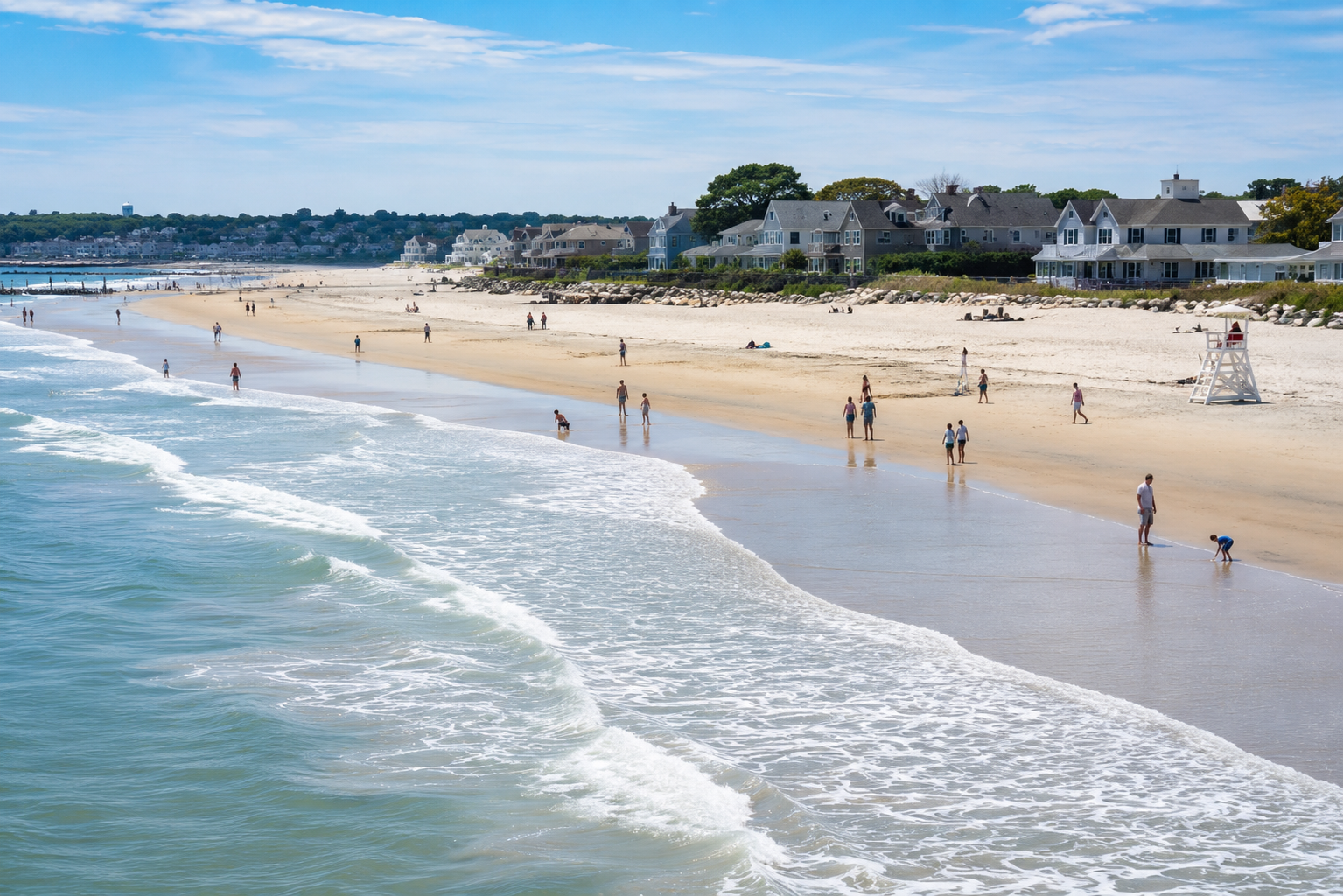
The picture varies by town. Ipswich announced on Wednesday afternoon that all of its beaches — Pavilion, Crane, Steep Hill, Clark and Little Neck — had reopened for swimming, after two consecutive days of testing showed bacteria levels below the state’s threshold for concern. “Given the recent warm weather, we’re grateful to our residents and visitors for their patience these past few days, and we hope that everyone enjoys our beaches this holiday weekend,” said the town’s director of public health, Colleen Fermon. The state’s beach water quality dashboard, however, still listed Sandy Point beach as closed as of Wednesday.
Newburyport has been more cautious. The city said its Plum Island beaches remained closed to swimming despite the bypass fix, adding that it was working with neighbouring municipalities and state officials to establish whether the new system would be effective enough to allow reopening. Shellfish harvesting along the river also remains prohibited, after the Massachusetts Division of Marine Fisheries issued an emergency closure covering the affected area.
The stakes of a prolonged closure are not lost on local officials. With the extreme heat wave building and the July 4th weekend approaching, Reardon had warned on Tuesday, before the leak was stopped, that he feared a “Jaws-like scenario” that could hit the local tourist economy hard should beachgoers stay away over the peak summer period.
