


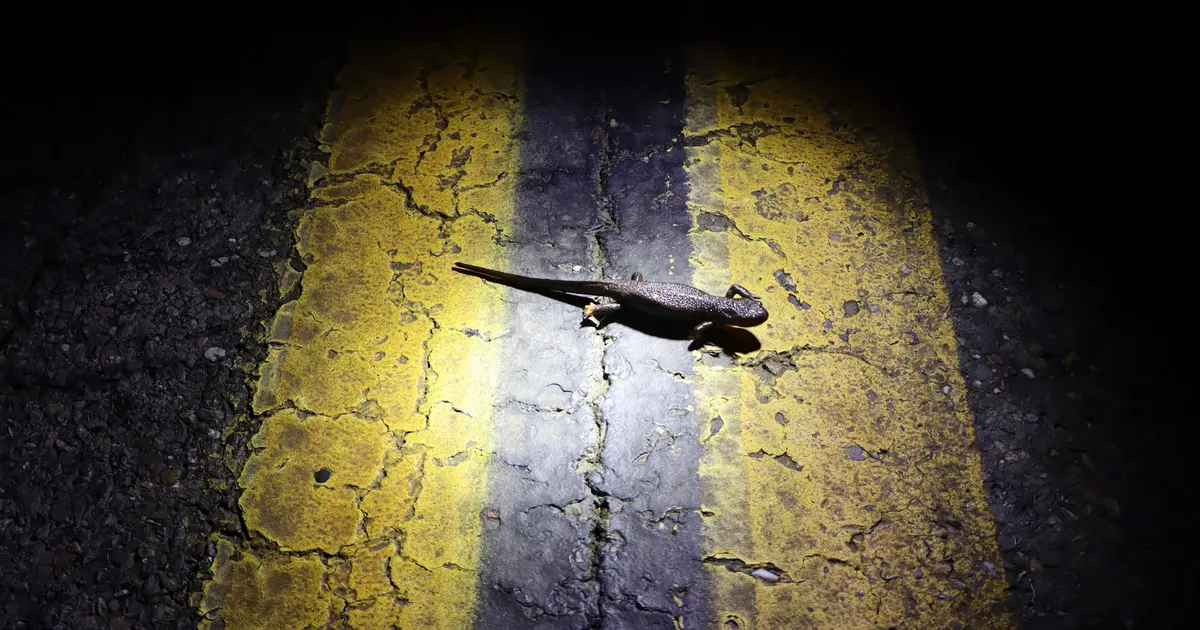
Michigan residents are being asked to record wildlife and roadkill spotted during journeys as part of the 2026 Roadside Wildlife Count, a community survey intended to identify the roads and structures posing the greatest danger to animals.
The count, organised by the Environment Michigan Research & Policy Center, runs from 2 to 11 October 2026. Volunteers are being encouraged to note the number and type of animals they see beside roads, whether they are alive or dead.
Calvin Floyd, who works with the organisation, said Michigan was among the states with high levels of vehicle-animal collisions but had lagged behind others in tackling the problem.
Deer are among the most familiar victims, but the survey also covers elk, salamanders, turtles, porcupines and other smaller species. Busy roads, bridges and other infrastructure can divide habitats and prevent animals from moving safely between them.
How the wildlife count could help
The information gathered will be used to build a clearer picture of where wildlife is most at risk. It is expected to support future decisions on wildlife crossings and corridors designed to provide safer routes across roads.
Michigan’s Department of Transportation is working with the state Department of Natural Resources on a statewide analysis of collision hotspots, backed by a federal grant of about $467,000. The project is intended to combine ecological and transport data to identify priority locations for possible crossings.
Environment Michigan said the wider aim was to improve understanding of the effects roads have on wildlife and provide evidence for policy changes that could reduce collisions.
The organisation’s event information also says wildlife crossings have been shown to cut vehicle collisions by more than 90 per cent in suitable locations.
How to take part in the Michigan Roadside Wildlife Count
People who sign up will receive instructions, access to an information webinar and details of how to use the Survey123 smartphone app to submit their observations.
Participants are warned not to stop or use a phone while driving. Only passengers should record sightings, with safety taking priority throughout the survey.
All wildlife should be included in the count, whether it is found alive or dead at the roadside.
