


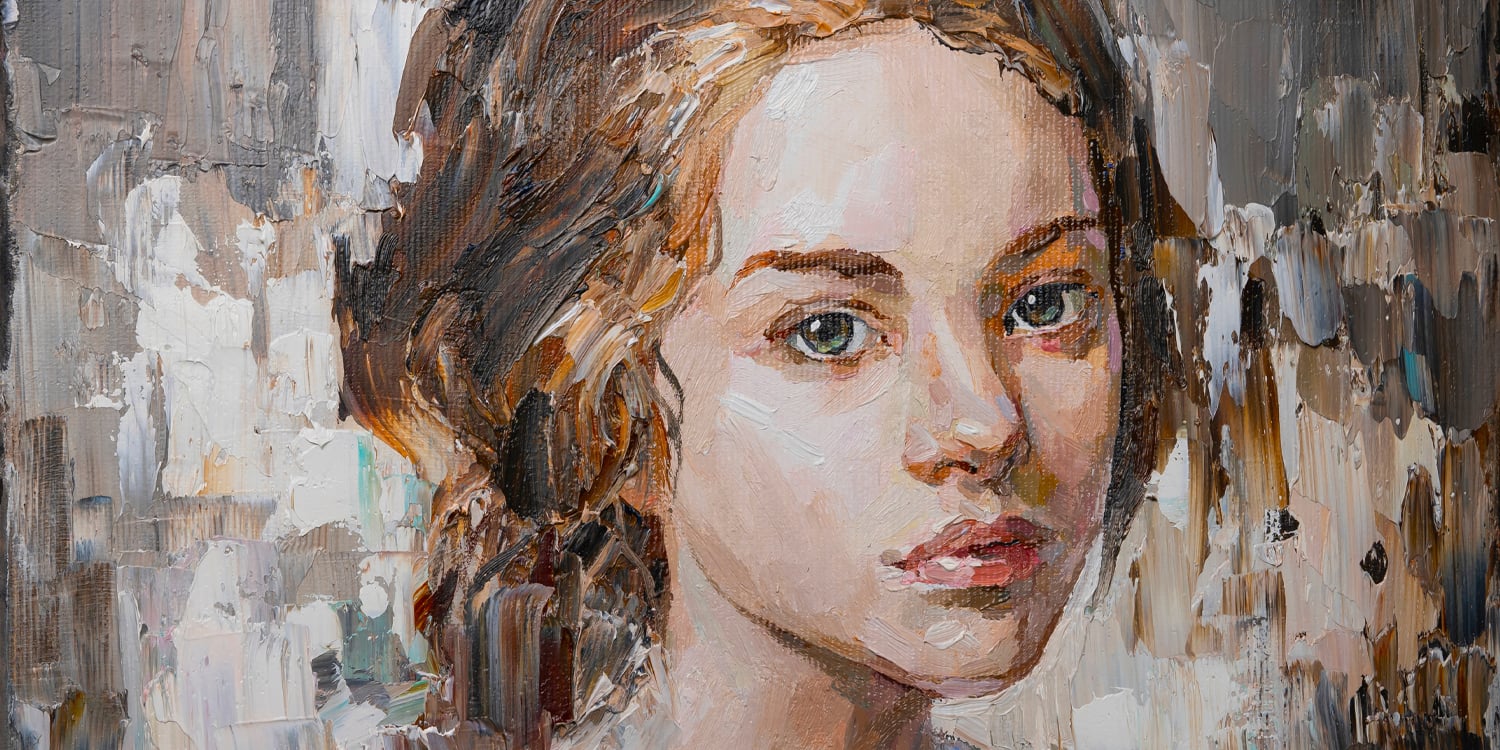
A new study exploring art portraits suggests that beauty and attractiveness, while closely linked, are driven by different factors. Researchers found a strong association between the two judgments, yet beauty also hinges on specific image properties such as self-similarity and symmetry. The work, published in i-Perception, analysed a database of 192 digital portrait images against responses from 300 adults.
Portraiture is a long-standing subject of artistic endeavour, with faces often recognisable even when artists adopt distinctive styles. This makes portraits peculiar aesthetic objects: prized both for the beauty of the artwork and for the perceived attractiveness of the person depicted.
Experts have long recognised that the two forms of appeal may rely on distinct psychological processes. While facial attractiveness depends largely on the visible features of the face, the broader beauty of a portrait can be shaped by composition, colour, lighting, technique and style.
It is possible for a portrait to be visually beautiful even if the depicted person is not especially attractive, and conversely an attractive face may appear in a work judged aesthetically unremarkable or even unpleasant. Judgments of artistic beauty often seem more influenced by interpretation, context and other cognitive effects than judgments of facial attractiveness.
The study’s author, Gregor U. Hayn-Leichsenring, set out to separate beauty from attractiveness by linking them to objective image properties. He conducted an online experiment using art portraits as stimuli and invited participants to rate both dimensions.
A total of 300 adults, aged 18 to 71, participated, with an average age of 33.6 years and 101 women among them. A database of 192 digital portraits spanned Baroque, Impressionism and Expressionism, with numbers balanced across styles.
Participants viewed 70 randomly selected images from the database and rated each for attractiveness and beauty on a 9-point scale. There were no time limits for the ratings. The analysis employed the QIPs toolbox, an open-access resource that calculates standardised quantitative image properties such as colour, complexity, symmetry, balance, fractal structure and entropy, used in empirical aesthetics research.
The findings showed that attractiveness and beauty ratings were highly correlated within a given style, but they were not identical. Overall, Impressionistic pieces tended to be rated as more attractive, while Baroque works were perceived as more beautiful. Expressionistic pieces generally ranked lower on both scales, albeit with notable exceptions.
In modelling the relationships between ratings and image characteristics, the author concluded that both beauty and attractiveness depend on the style of the portrait. However, beauty ratings additionally hinge on self-similarity and mirror symmetry, whereas attractiveness ratings did not align with any particular properties identified by the QIPs toolbox.
“In this study, two closely related hedonic values were examined, only one of which showed systematic relationships with self-similarity and mirror symmetry. Overall, beauty evaluations are not only more influenced by cognitive processes than attractiveness evaluations, but are also more strongly associated with specific QIPs [quantitative image properties], which was not observed for attractiveness ratings,” the study author concluded.
The researchers caution that the connection between image properties and beauty ratings appears to be driven mainly by Baroque portraits, which tended to be less self-similar and more symmetrical than the other styles. They emphasise that the study focused exclusively on artistic portraits and that results may differ for other kinds of stimuli.
The study, “Disentangling beauty and attractiveness in art portraits: Differential links to quantitative image properties”, was authored by Gregor U. Hayn-Leichsenring.
