


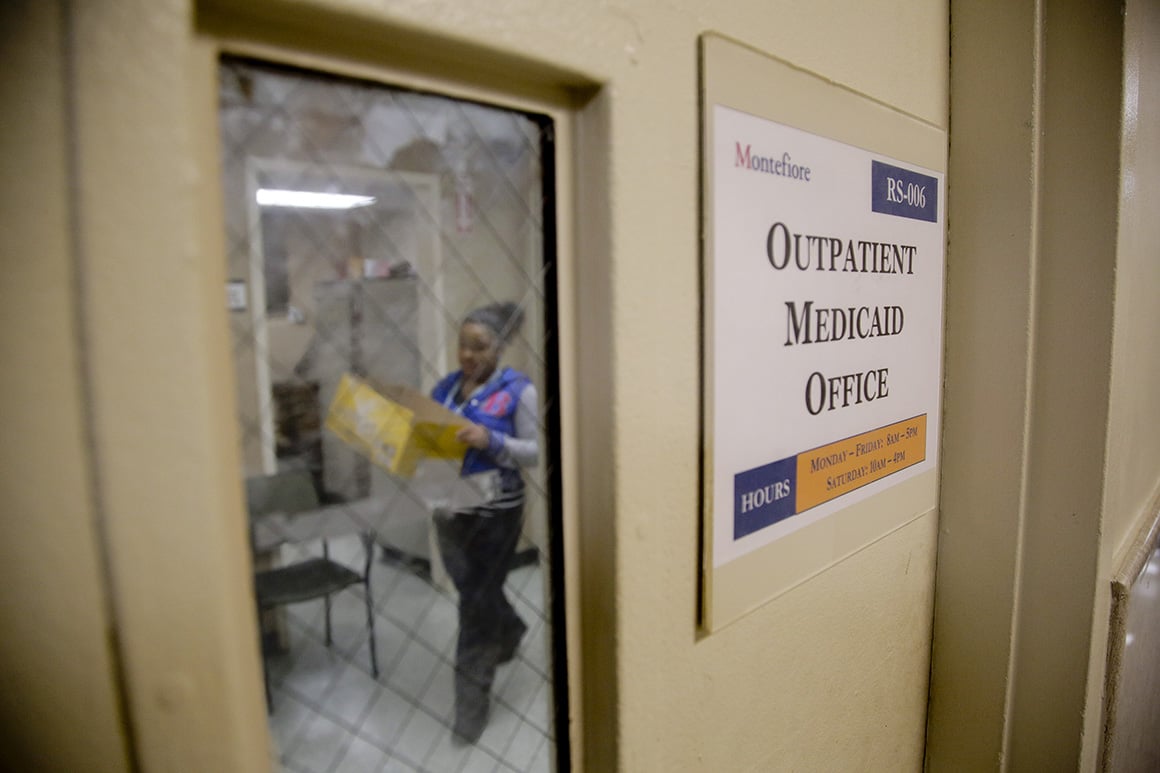
New York’s Medicaid system is facing continuing problems after more than 147,000 Medicaid and Medicare Savings Programme enrollees were moved to a new case-management platform, with only about one in three able to renew their cover automatically.
The system was designed to provide real-time decisions on eligibility and replace paper-based processes operated through local social services departments. But legal advocates say errors have led to inappropriate denials and placed healthcare coverage at risk for older people, blind people and those with disabilities.
The New York State Department of Health began introducing the Medicaid Eligibility and Client Management system in September 2025. The platform, developed by Deloitte Consulting, is part of a wider plan to centralise administration through the New York State of Health insurance marketplace.
Lindsay Heckler, managing attorney for policy at the non-profit Center for Elder Law & Justice, said her organisation had seen a surge in inappropriate refusals of coverage.
“I’m not saying the new system shouldn’t be in place,” Ms Heckler said. “But the concern is that the training and processes that are in place are preventing people from becoming eligible.”
Advocates say inaccurate information has been transferred between systems, while an automated tool for checking assets has not worked properly. They also said state workers had been unable to override some inappropriate denials manually.
New York officials acknowledge that problems remain, although they say the system was extensively tested by the Health Department and Deloitte and that issues are being addressed as they are identified.
New York Medicaid migration faces further test
A second phase involving more complex cases is due to take place between November 2027 and February 2028. It will include people receiving long-term care and nursing home residents.
The transition is linked to a contract whose projected cost has risen sharply. New York initially agreed an arrangement with Deloitte worth $177 million in August 2023, but four amendments have since increased the projected total to $1.18 billion.
The latest amendment included an $866 million extension and changes to the work plan. The Health Department said the additional funding would complete the migration, support further testing and ensure compliance with new federal requirements.
Cadence Acquaviva, a Health Department spokesperson, said the centralised model would replace an “outdated, expensive, error-prone and inefficient paper-based system” with a more streamlined platform.
She said the transition and contract had been subject to extensive federal review and approval by the Centers for Medicare and Medicaid Services.
Deloitte did not respond to a request for comment.
