


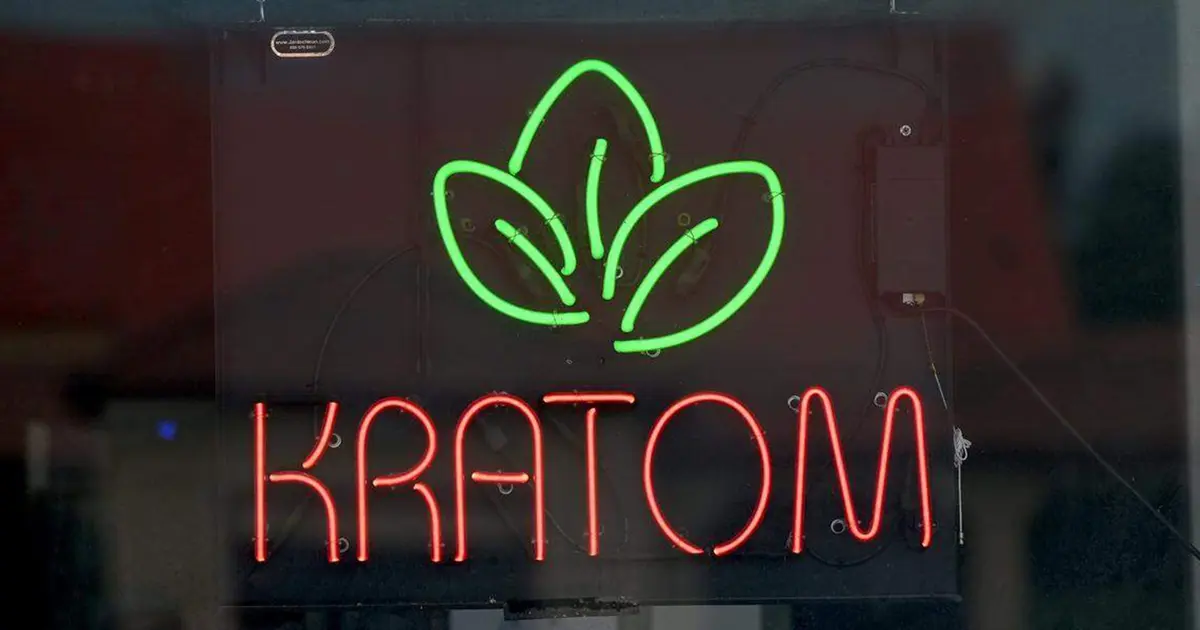
Police in Mississippi have sought to clarify a warning issued after the deaths of two University of Mississippi students, stressing that investigators have not established that kratom or any other substance caused either death.
Aidan Hamilton, 18, and Robert Strang, 20, died in separate incidents in Oxford on 21 September. Packaged kratom-related products were found at both locations, prompting the Lafayette County Metro Narcotics Unit to advise the public to avoid kratom while the investigation continues.
The warning led to concern that ordinary botanical kratom had been directly linked to the deaths. In a statement issued on Wednesday, however, the task force said it had acted “out of an abundance of caution” and that the alert was not a finding about the cause of either death.
Investigators said the two cases remained separate and that full toxicology reports were still awaited. They said they would not speculate about whether any substance had contributed until the results had been received and assessed.
What investigators found in Oxford
Court documents show that Hamilton had made several purchases at Puffs Vape, Tobacco and Beer Store in Oxford, including one on 20 September, the day before his death. Investigators later searched the premises and seized more than 500 products believed to contain kratom-related substances, along with THC products and other suspected controlled substances.
Two employees, Yahya Mohamed Mosleh, 51, and Islam Mohamed, 18, were arrested and charged with possession of a controlled substance with intent to distribute. The charges are allegations and have not been tested in court.
Records also indicate that Strang bought similar tablets from Express Mart No 7 in neighbouring Yalobusha County. Samples obtained from the products have been sent to laboratories for analysis, according to court records reported by local news organisations.
The products recovered near the students were branded Modus and described as Smax Pseudo-DHM. Packaging listed compounds including mitragynine pseudoindoxyl and MGM-15, also known as dihydro-7-hydroxymitragynine, which investigators say are concentrated or chemically altered substances associated with kratom.
In one undercover operation at the Oxford shop, an employee reportedly warned an informant to be careful with the tablets because people were dying from them, according to an affidavit. The employee’s account has not been independently established as evidence of what caused the students’ deaths.
Police distinguish kratom from synthetic products
The Lafayette County task force has urged Mississippi lawmakers to draw a clearer legal distinction between traditional botanical kratom and manufactured, concentrated or chemically altered products sold as kratom.
The US Drug Enforcement Administration announced in July that it intended to temporarily place 7-hydroxymitragynine above a proposed threshold, along with three related substances, into Schedule I of the Controlled Substances Act. The compounds named by the DEA include mitragynine pseudoindoxyl, MGM-15 and MGM-16.
The agency said the substances were being targeted because of concerns about their abuse potential and lack of accepted medical use. The task force said the products were concentrated opioid compounds rather than ordinary kratom leaf.
The US Food and Drug Administration has separately advised consumers not to use kratom, warning of possible serious effects including liver toxicity, seizures and substance use disorder. It has also warned specifically about products containing enhanced or added 7-hydroxymitragynine, which can be sold as tablets, gummies, drink mixes and shots.
Kratom is derived from a plant native to south-east Asia. Its effects can vary with the dose, with lower amounts described as stimulating and higher amounts producing sedative or opioid-like effects. It is sold in the United States in forms including powders, capsules, liquids and chewable products, although it has not been approved by the FDA for medical use.
The university has identified Hamilton as a freshman from Englewood, Colorado, and Strang as a junior from Atlanta. Both families have asked for privacy while the investigations and toxicology examinations continue.
Police have said the presence of kratom-related packaging at both scenes is the reason for the public warning, not proof that the products caused the deaths. The official causes of death remain pending.
