


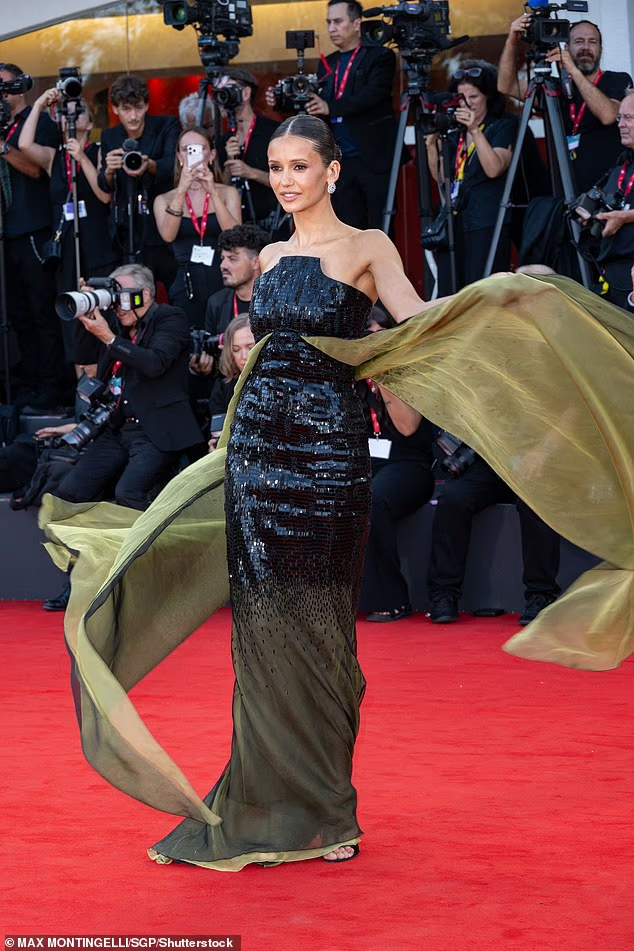
Red carpet etiquette rules can determine whether a celebrity gets the perfect photograph or becomes the unexpected story of the event, according to brand expert Rebecca May.
Behind the glamour, arrivals and poses are carefully managed, with security staff, organisers and photographers working to keep the press line moving. Stars who linger, interrupt the sequence or misjudge the hierarchy can be hurried along, upstaged or captured in an unflattering moment.
Vampire Diaries actress Nina Dobrev appeared crestfallen after being moved on by security personnel at the Venice Film Festival last month, illustrating the importance of knowing when another arrival takes priority.
May said celebrities should recognise when a more prominent star is approaching and clear the way before an organiser or guard has to intervene. If two arrivals are likely to overlap, waiting in the car or delaying an entrance can make for a smoother appearance.
Red carpet etiquette starts with knowing when to move
The advice is not intended as a personal slight. The event may have been structured around a leading cast member, while photographers could also be working through a queue of arrivals.
Once a celebrity has given photographers a front-facing image, their preferred angles and a chance to capture the outfit, May recommends moving on rather than repeating the same pose indefinitely.
The same principle applies to couples. Photographers may want pictures of the pair together before taking individual shots, particularly when one person is wearing a significant fashion look. The less prominent partner should then leave the frame and allow the other person their moment.
That is the etiquette Amy Schumer appeared to disregard at the 2015 TIME 100 Gala, when she threw herself to the floor in front of Kim Kardashian and Kanye West as they were being photographed. Although it was intended as a joke, deliberately taking another celebrity’s picture opportunity can create an unwelcome distraction.
Why celebrities should assume the cameras are still rolling
May also warned stars to keep private conversations and spontaneous remarks away from the press line. Dakota Johnson recently attracted attention after appearing to say: “Then I’m going to leave.”
Cameras can continue filming between the official poses, while footage is often slowed down online in attempts to interpret what celebrities are saying. Fixing hair, checking a phone, adjusting clothing or dropping a smile can all become part of the coverage.
Social-media content presents another potential obstacle. A red carpet operates like a fast-moving production line, and stopping to film or take a selfie can delay photographers and those waiting behind.
Anyone wanting footage for social media should arrange for a member of their team to record it or wait until an appropriate moment, rather than blocking the press line.
Anne Hathaway’s photographer direction draws attention
Anne Hathaway appeared to take charge of the photographers at the Verity premiere, waving her arms and directing people around her while heavily pregnant. Her co-stars Dakota Johnson and Josh Hartnett appeared less impressed.
May said Hathaway may have been trying to help, but managing the press pen is the responsibility of professionals. Rather than directing photographers with hand gestures, celebrities can move their gaze along the line, subtly changing their angle and expression so each photographer has an opportunity.
Arrival time matters too. Appearing on an empty carpet can seem overly eager, while arriving after the press line has begun to thin may mean missing the best chance of coverage.
The ideal moment, May said, is when there is enough activity to create interest but the carpet is not yet winding down. Once photographers begin filing images to picture desks, the opportunity for attention can quickly diminish.
