


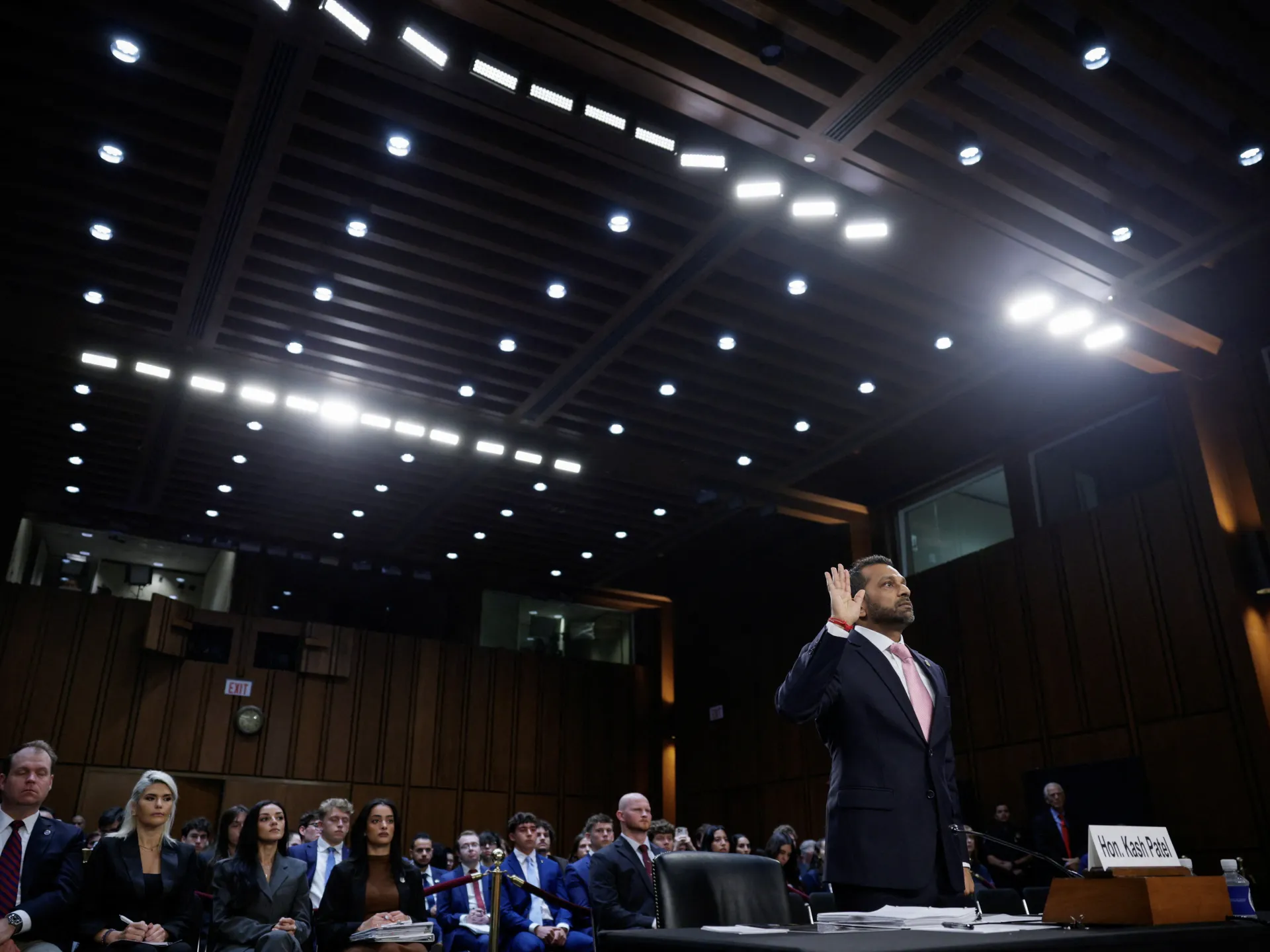
Changes to hiring standards at the FBI and reports of loosened requirements at Immigration and Customs Enforcement have renewed concern about how the United States recruits law enforcement officers. But research suggests stronger recruitment rules alone cannot prevent police abuse.
FBI Director Kash Patel defended changes to the bureau’s hiring standards during a congressional hearing earlier this week. The testimony came about two weeks after reports emerged that ICE had also eased its requirements.
Concerns have followed that standards designed to establish a basic level of conduct could be weakened, potentially allowing reckless individuals to gain positions of authority.
What hiring assessments can predict
Research carried out since the Black Lives Matter movement has expanded understanding of police misconduct, including the concentration of force incidents among a relatively small group of officers in departments that record such cases.
One study of more than 12,000 police applicants found that particular answers in pre-employment psychological assessments were linked to later complaints involving excessive force and racial misconduct.
However, the evidence does not show that psychological screening can reliably identify every future risk. Research involving 642 first-year officers found that indicators of anti-social and borderline behaviour predicted only some forms of abuse, particularly sexual misconduct.
Other findings indicate a relationship between abusive policing and officers’ psychological wellbeing. In a sample of 137 active-duty US officers, about 11 per cent said they had engaged in abusive policing. Such conduct was associated with higher levels of post-traumatic stress symptoms, even after previous adverse childhood experiences and workplace trauma had been taken into account.
The findings suggest that recruitment standards should not be dismissed, but neither should they be treated as a guaranteed means of eliminating misconduct. Their value depends on the risks they can actually predict and the consequences of removing them.
Police violence and institutional power
Selection is only one part of the wider problem. The United States has a substantially higher rate of police killings than several other wealthy democracies: 33.5 per 10 million people, compared with 9.8 in Canada, 1.3 in Germany and 0.5 in England and Wales.
That difference cannot readily be explained by the characteristics of recruits alone. US officers operate with extensive powers to detain, search and use force, including, in some circumstances, lethal force.
Those powers are exercised within institutions that have faced repeated concerns over racial bias, confrontational treatment of marginalised communities and abuses of authority. Accountability can also be limited by legal protections, including qualified immunity, which may make it difficult to hold officers personally liable for some constitutional violations.
The issue is therefore not only whether unsuitable people enter policing. Organisational culture, incentives, supervision and established practices can all influence how officers use the authority given to them.
Reducing misconduct would require reform across the system, including stronger accountability for both individual officers and the agencies responsible for policing. Public cooperation is also closely linked to perceptions of fairness, procedural justice and trust in law enforcement.
Credible hiring standards may contribute to that trust, but broader measures would also be needed to address racial profiling, unnecessary force and unequal enforcement. The central challenge is to combine careful selection with effective training, supervision and institutional accountability.
