


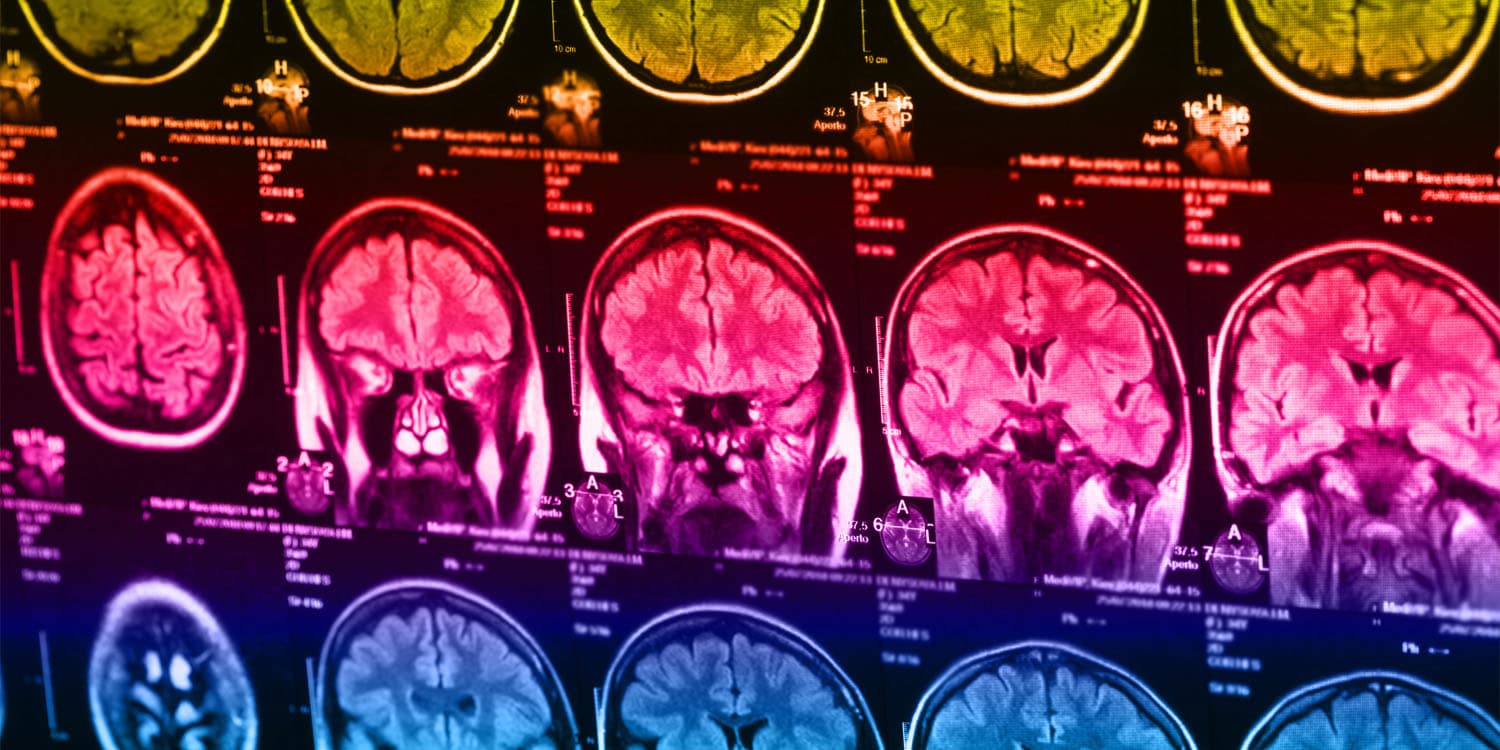
A small brain-imaging study conducted in China has found that resting-state brain activity in transgender women differs from that of both cisgender men and cisgender women, particularly in networks responsible for processing bodily sensations and movement. The work, carried out in Changsha, Hunan Province, suggests that transgender women’s brain function, in several measures, aligns more closely with that of men than with that of women. The study was published in Scientific Reports.
The researchers, led by Xiongyu Li of the Second Xiangya Hospital of Central South University, recruited 17 transgender women who met World Health Organization criteria for gender incongruence, along with 34 cisgender men and women of similar age from nearby universities. After excluding three participants for poor image quality or excessive head movement, the final analysis included 16 individuals in each group. Fifteen of the 16 transgender women were receiving gender-affirming hormone therapy.
Participants underwent resting-state functional magnetic resonance imaging (fMRI), during which brain activity was recorded while a person lay quietly in the scanner without performing a task. The researchers examined several aspects of brain function, from local activity within small regions to distant connections between brain areas and overall network efficiency.
Transgender women showed stronger slow, spontaneous fluctuations in activity in the cerebellum, precentral gyrus, and thalamus—regions involved in movement and processing sensory information—than both cisgender men and cisgender women, who did not differ from one another on this measure. They also exhibited less synchronized activity among neighboring areas in parts of the precuneus, a region tied to self-related thinking, compared with cisgender participants, particularly cisgender women.
In addition, transgender women demonstrated weaker functional connectivity between the ventral attention and sensorimotor networks, as well as reduced connectivity within the sensorimotor network. They also showed lower local efficiency, indicating less efficient information exchange within tightly interconnected brain clusters. By contrast, cisgender men often fell between transgender women and cisgender women on these measures, with the pattern varying across networks.
“Our results suggest that TW [transgender women] have distinct patterns of brain function compared with cisgender people, while they are more aligned with those of CM [cisgender men] (their sex assigned at birth) rather than CW [cisgender women],” the study authors concluded.
The researchers note that the observed differences in sensorimotor networks may relate to how transgender women perceive their own bodies, though the study did not test this directly. They emphasise that the design does not allow causal inferences, and the small sample size and short scan durations limit the reliability of the findings.
Nearly all participants identified as transgender women were undergoing hormone therapy, and the researchers did not isolate the effects of hormones from other factors. Mood was not measured, even though higher rates of depression can occur in transgender women and could influence brain activity.
The paper, “Comparing local brain activity and distant functional connectivity in transgender women compared to cisgender controls,” was authored by Xiongyu Li, Zhibiao Xiang, Dayi Liu, Zhening Liu, Yicheng Long, and Shixiong Tang.
