


Thailand’s Constitutional Court has dismissed a challenge to the legality of February’s general election, ruling that barcodes and QR codes printed on ballot papers did not breach voter secrecy.
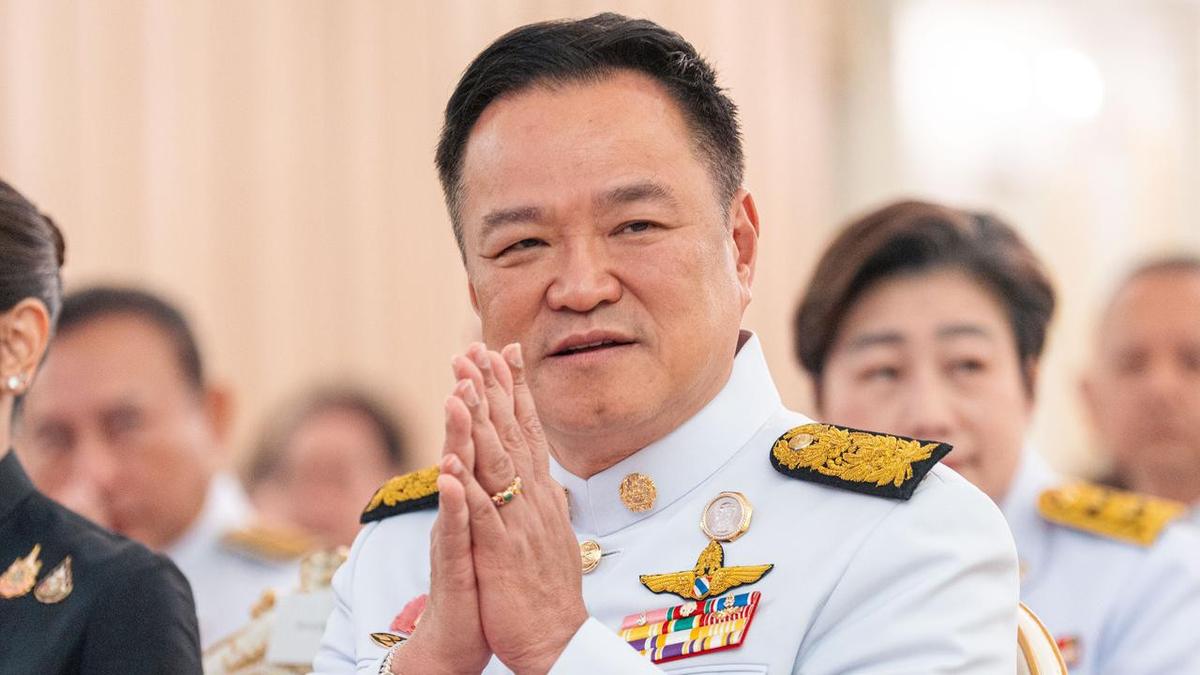
The decision on Monday removes the prospect of a rerun of the February 8 election, which was won decisively by Prime Minister Anutin Charnvirakul’s Bhumjaithai Party.
Nearly 38 million people voted, enabling Mr Anutin’s party to form a coalition government with more than 290 of the 500 seats in parliament.
The case was brought by Thailand’s ombudsman, who argued that the codes could be used to identify the candidate and party chosen by individual voters.
The election commission said the codes had been included for security purposes and that tracing a vote would require access to ballot stubs held separately from the papers.
Judges found that, while barcodes on some ballots could potentially have been used to identify voters, they were intended only to help officials manage the election. They said the arrangements for storing ballots, stubs and voter lists were “sufficiently safe”.
However, the court recommended that such codes should not be used in future elections.
The ruling will be welcomed by Mr Anutin as his party seeks to maintain public trust amid a struggling economy and allegations of corruption and involvement in manipulating a Senate selection process. Bhumjaithai denies the allegations.
The Constitutional Court’s decision had been closely watched in Thailand, where verdicts from the court have played a central role in two decades of political instability. It has previously dissolved major parties, invalidated two general elections and removed several governments and prime ministers.
In 2006, the court voided a general election after ruling that the layout of polling booths compromised ballot secrecy and that the vote had been called at too short notice.
It annulled a 2014 election after anti-government protesters prevented voting at some polling stations in Bangkok and southern Thailand, meaning the election could not take place nationwide on the same day.
Both decisions came during periods of political turmoil that led to military coups in the same year.
