


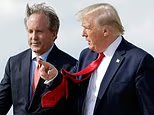
Donald Trump’s MAGA Inc. super PAC has committed $10 million to Ken Paxton’s Texas Senate campaign, ending months of limited activity as the Republican faces a closely fought contest against Democrat James Talarico.
The spending, disclosed in a Federal Election Commission filing on Saturday, September 5, marks the organisation’s first major investment in a competitive general election race during the 2026 midterm cycle.
Half of the money will fund television and digital advertising promoting Mr Paxton, while the remaining $5 million will be used to attack Mr Talarico, a Texas state representative.
The intervention underlines the concern within Republican circles that Texas, long regarded as a safe seat for the party, could become a serious Democratic target. Polling has shown Mr Talarico holding a narrow lead or running level with Mr Paxton in recent weeks.
Mr Paxton, the Texas attorney general, secured the Republican nomination after defeating incumbent Senator John Cornyn in a May runoff with Mr Trump’s backing. He is seeking to retain the seat for the Republicans in a state where Democrats have not won a statewide contest for more than three decades.
The advertisements focus on taxation. MAGA Inc. portrays Mr Talarico as an advocate of higher taxes, while presenting Mr Paxton as the candidate offering relief on housing, healthcare and family costs.
Alex Pfeiffer, a spokesman for MAGA Inc., said the group would ensure Texas voters knew about what he described as Mr Talarico’s “radical policies”. The Talarico campaign rejected the claims, accusing billionaire-backed groups of misrepresenting the Democrat’s record.
The Democratic campaign has significantly outspent Mr Paxton so far. In the second quarter, Mr Talarico raised more than $30 million compared with more than $9 million for Mr Paxton, according to campaign finance figures reported by The Texas Tribune.
The Trump-aligned spending comes after growing pressure from Republican leaders for the president to use his political war chest in Texas. MAGA Inc. had more than $400 million available at the end of July, but had made few major investments in the midterm elections before the new advertising buy.
