


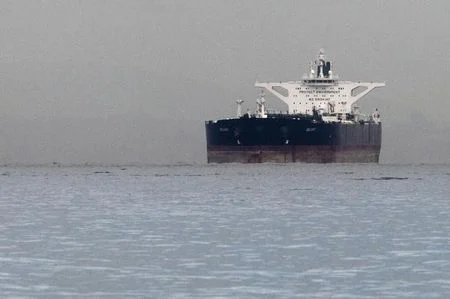
The confrontation between the United States and Iran has intensified around the Strait of Hormuz, with both sides claiming attacks on shipping as Washington targets Iranian oil tankers and Tehran threatens vessels using routes it regards as unauthorised.
Iran’s Islamic Revolutionary Guard Corps said its naval forces had attacked a remotely operated US drone boat attempting to enter a protected area of the strait. The claim followed the Iranian military’s assertion that it had fired ballistic missiles at a US aircraft carrier and a Navy destroyer.
US Central Command said the warships avoided the missiles and that no American personnel were injured. In response, American forces struck three Iranian crude carriers: the M/T Downy and M/T Stark 1 were permanently disabled, while the unladen M/T Kylo was destroyed in the Gulf of Oman and later sank. ([investing.com](https://www.investing.com/news/economy-news/usiran-tanker-war-escalates-as-hormuz-disruption-deepens-4890259))
Defence Secretary Pete Hegseth has warned that attacks on US vessels would be met with further action against Iranian tankers, effectively turning commercial shipping into a direct extension of the military confrontation.
The IRGC has separately claimed that it attacked three oil tankers travelling through what it described as illegal routes in the Strait of Hormuz, along with three vessels linked to the United States. Iran’s Foreign Ministry condemned the American strikes and said Washington’s partners would be responsible for any further escalation.
US Central Command said earlier this week that its forces had targeted Iranian air-defence sites, radar systems, maritime assets, mine-laying facilities and communications infrastructure after attempted attacks by the IRGC on commercial shipping and US personnel. ([centcom.mil](https://www.centcom.mil/MEDIA/PUBLIC-RELEASES/Article/4588389/centcom-completes-strikes-on-irgc-targets-in-iran/?utm_source=openai))
The worsening security situation is deepening the disruption to regional energy supplies. Middle Eastern crude exports in August were estimated to be 39 per cent below January and February levels, when shipments averaged about 18.5 million barrels a day, according to TankerTrackers.
The shortfall was nevertheless smaller than in May, when exports were reported to be 67 per cent below pre-war levels. The figures underline the extent to which the crisis has constrained traffic through one of the world’s most important oil routes.
Iranian Foreign Minister Abbas Araghchi held separate telephone calls with his Turkish and Saudi counterparts overnight, with the Strait of Hormuz and regional stability understood to be among the issues discussed.
The latest exchange leaves the waterway at the centre of international concern, as shipowners weigh the risks of transit and governments face growing pressure to protect commercial vessels without triggering a wider regional war.
