


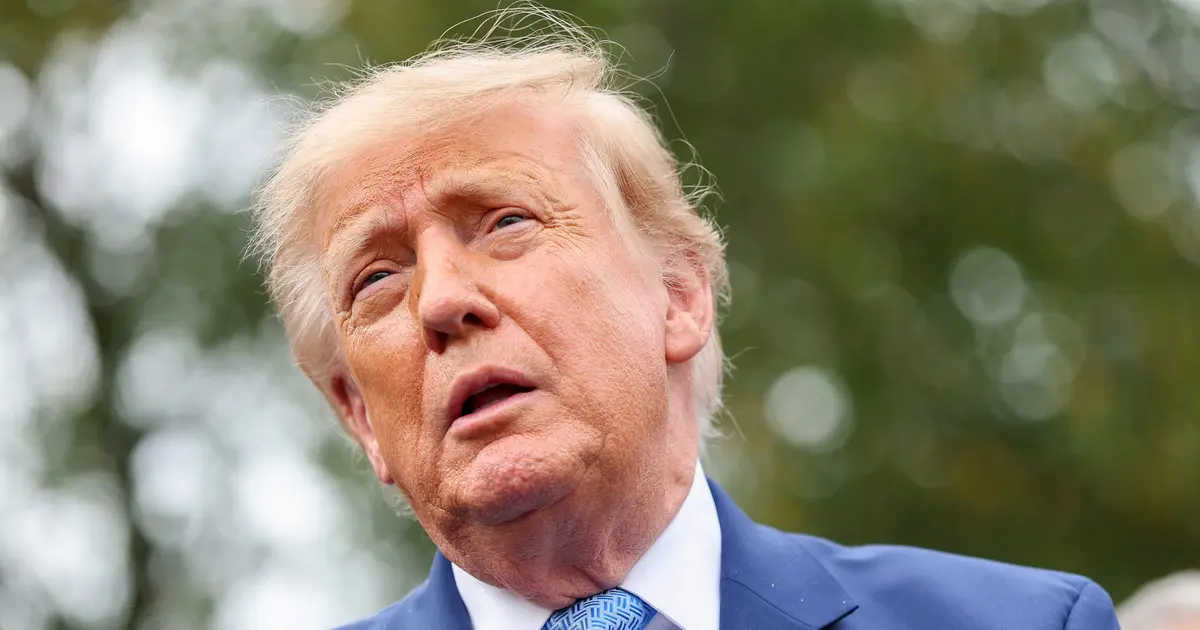
Donald Trump has announced one-off $90 payments for more than 20 million older Americans enrolled in Medicare, saying the money will help cover the cost of their Part B premiums.
The White House said most eligible recipients would receive the payment by direct deposit in early October, while those without bank details registered with Medicare would be sent a paper cheque to their address on file.
Payments will be funded through the Medicare Improvement Fund, which was established by Congress in 2008 and contains about $2 billion intended to improve the fee-for-service programme. The administration said the fund had not previously been used to make direct payments to beneficiaries.
Who qualifies for the $90 Medicare payment?
Most people enrolled in Medicare Part B are eligible, according to the White House. However, those whose premiums are already paid by Medicaid, or who pay an income-related surcharge, will not qualify.
The standard monthly Part B premium is $202.90 in 2026, while the annual deductible is $283, according to the Centers for Medicare and Medicaid Services. The one-off payment would therefore cover less than half of a standard monthly premium.
Beneficiaries can contact Medicare to check their eligibility, while the Social Security Administration is handling enquiries about the status of individual payments.
Trump announced the plan in a late-night post on Truth Social, describing the payments as “Checks” of nearly $100 and saying they were separate from proposed $500 Affordable Care Act refunds for about one million people.
The announcement also came alongside a renewed promise to send $5,000 to every American adult if Republicans retain control of Congress in the November midterm elections. That wider proposal would require congressional approval and has raised questions over its cost and legal authority.
The latest payments were announced weeks before the 3 November midterms, in which Republicans are seeking to maintain control of the House and Senate. The White House has presented the measure as part of its effort to reduce healthcare costs, while critics have questioned whether the administration can use the Medicare fund for direct payments without further approval from Congress.
