


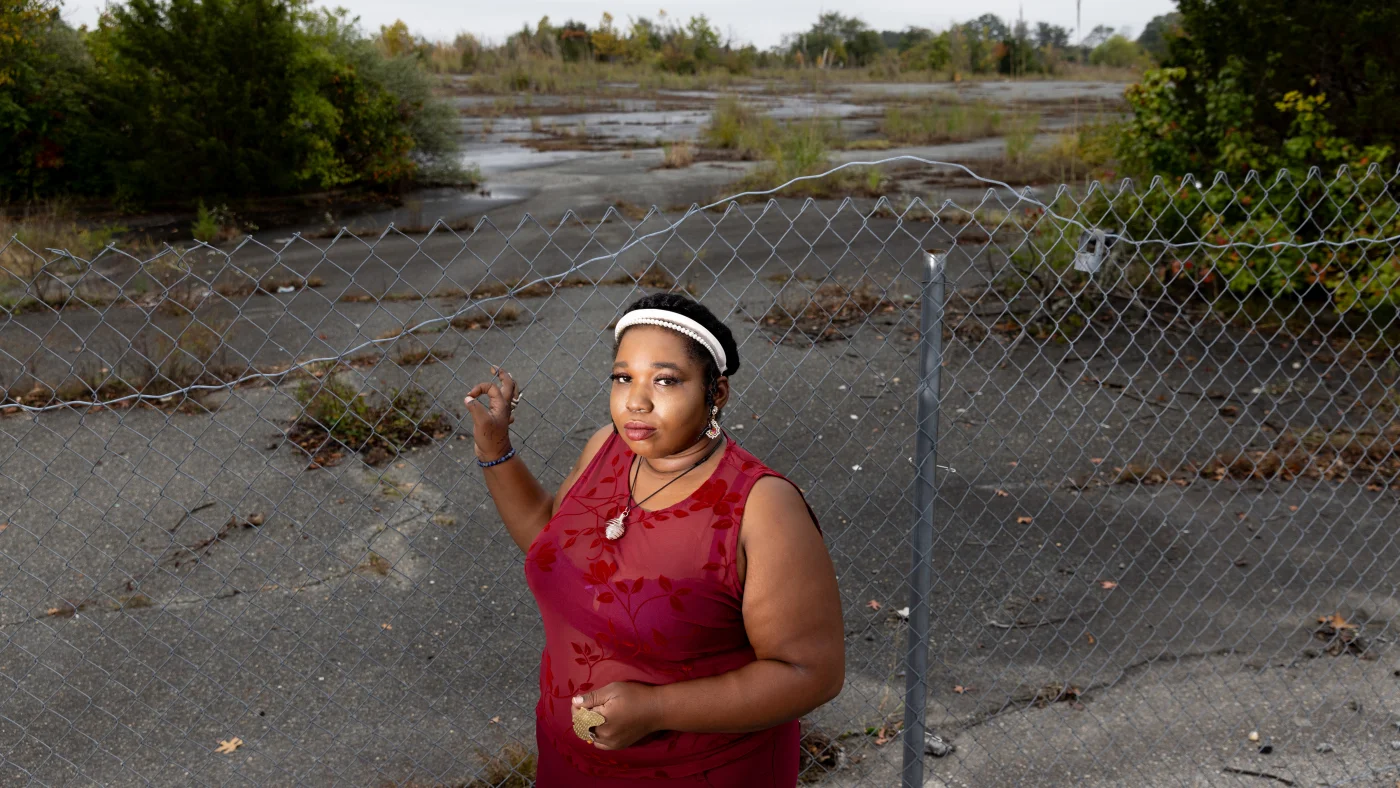
A campaign against data centre development in Prince George’s County, Maryland, has helped trigger multiple local moratoriums and put Taylor Frazier McCollum at the centre of a growing US movement opposing large-scale facilities.
McCollum began organising after learning that a $5 billion data centre campus had been approved for the site of the former Landover Mall, less than a mile from where she lived. The proposed development could cover more than 80 acres of the largely vacant site.
“I was like, ‘Oh, hell no,’” McCollum said. “Why would you want to bring water-polluting, diesel-generating data centers right down the street from where people live, work, play? It just didn’t make sense to me.”
Her petition attracted more than 25,000 signatures, leading to large protests and a series of moratoriums across the county. The measures halted plans for the project, which had been expected to begin construction between 2026 and 2027.
The campaign has become part of a wider backlash against data centre construction across the United States. Community groups have taken their objections to council meetings and public hearings, contributing to an estimated 500 moratoriums nationwide, although the figures vary.
From housing insecurity to local campaigner
McCollum does not own a home and was evicted from an apartment in 2024 after losing income at a waxing centre. She and her young daughter moved between homes before staying at her grandfather’s house, where she was living when she heard about the proposed development.
She began attending county meetings, giving evidence to Maryland legislators and endorsing political candidates. The campaign brought together socialists, environmentalists, residents concerned about electricity bills and neighbours who had never previously taken part in local organising.
Staci Hartwell, an environmental campaigner who had worked on the issue for years, said the proposed project had marked a turning point for McCollum.
“This is something that was happening in her neighborhood, and it was really like her awakening,” Hartwell said.
McCollum’s growing profile has also exposed the difficult choice facing Prince George’s County. With the data centres on hold, officials are weighing the prospect of losing potential tax revenue while the county faces a budget deficit.
A local Six Flags attraction closed last year, the Washington Commanders have announced plans to return to neighbouring Washington DC, and thousands of federal workers have lost their jobs.
At a county council meeting in September, McCollum called for a fund to help repair roofs, including that of her grandfather’s house. Council member Wanika Fisher, who supports allowing some data centre projects to proceed, told her the county needed development.
“Our county has an economic future that we have to grapple with,” Fisher said. “I don’t see where the money is coming from. I think we have to have a real conversation. And I’m not saying that a data center is the answer, but I’m saying it’s worth the hard discussion.”
Campaign spreads beyond Maryland
McCollum now wants a complete ban on the Landover proposal and other data centre developments. With support from grants identified by Hartwell and other campaigners, she has taken the cause to Black communities opposing data centre growth in Atlanta, Memphis and Zambia.
“I feel like so many people are depending on this fight to be successful,” she said. “Not just for myself, but even across the country, to set precedent for other people that are fighting against hyperscale data centers.”
Her father, Lacy McCollum Jr, regards the campaign as a civil rights issue, centred on access to housing, clean air and water.
“We’re talking about the right to water, the right to clean air, the right to a place to live. That’s everybody’s fight, right?” he said.
McCollum has lost work while attending meetings and knocking on doors, and has depended on relatives for transport and childcare. Some supporters have urged her to run for office, but she said she first wants to pay off debts and traffic fines and find a home.
For now, she is promoting alternative uses for the former mall site, including a sports complex, affordable housing and heritage tourism. She acknowledges that none would be as lucrative as a data centre campus.
