


International oil exploration is returning to the forefront as the US shale industry enters a mature phase, with producers turning towards the United Arab Emirates, Bahrain, Alaska, South America and Africa in search of new reserves.
EOG Resources, one of the leading US shale companies, has already brought several wells online in the UAE and is assessing opportunities in Bahrain. Ezra Yacob, the company’s chairman and chief executive, said the geology in Abu Dhabi’s shale formations was comparable to South Texas’s Eagle Ford shale.
“It’s outperforming our expectations right now,” Mr Yacob told a Hart Energy conference in Houston this week. He said the international market was “probably front of mind for everybody” as companies sought to “unlock the next new thing”.
The shift comes after two decades in which American producers concentrated heavily on domestic shale. The sector is not in decline, but its period of rapid expansion has given way to consolidation, with limited scope for the US industry to meet future increases in global demand on its own.
Oil executives and investors also believe the Middle East could recover despite the ongoing war in Iran. Countries in the region, along with nations in South America, Africa and Australia, are increasingly seeking American expertise to develop their oil and gas resources.
US shale companies look overseas again
ExxonMobil and Chevron have continued to operate internationally, although both sharply reduced exploration in previous years. Exxon has helped turn Guyana into an oil power, while Chevron has led development in Kazakhstan and is positioned to play a major role in a possible recovery in Venezuela.
Both companies are increasing the international share of their capital budgets, including spending on projects in the Middle East and Africa. Formerly domestic-focused shale producers including ConocoPhillips, EOG, Occidental Petroleum, APA Corp and Murphy Oil are also examining overseas opportunities onshore and offshore.
Continental Resources, the largest privately held domestic producer in the US, is expanding in Argentina and pursuing deals in Venezuela. Bobby Tudor, founder and chief executive of Artemis Energy Partners, said the appetite for international exploration had risen “meaningfully”.
“I think international exploration is back in the game,” Mr Tudor said. He argued that the pull towards the Americas, from Alaska to Argentina, had become particularly strong and could provide reliable and affordable energy.
But the renewed search for frontier oil and gas comes after years in which fewer companies drilled in unexplored areas. Mr Tudor said many workers in the industry had “never drilled a dry hole” and had not carried out genuine wildcat exploration.
“The exploration muscle memory of the U.S. got hollowed out and it got hollowed out pretty badly during the shale revolution,” he said. “There’s a lot of muscle memory to rebuild in the industry.”
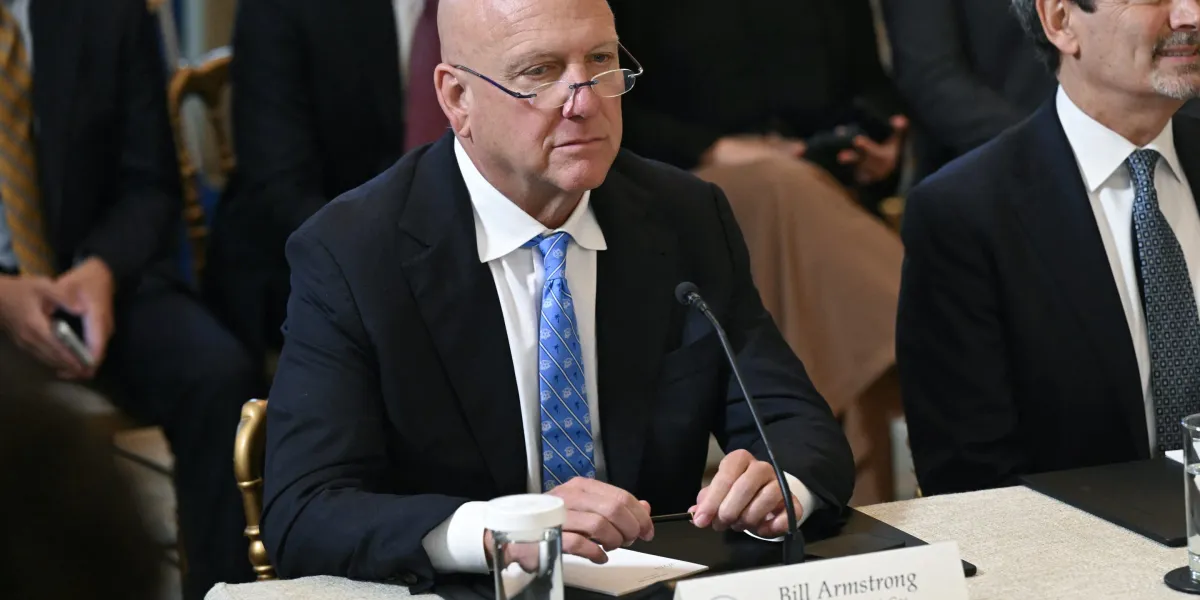
Bill Armstrong, a geologist and chief executive of Armstrong Oil & Gas, is among those continuing to pursue frontier discoveries. The 66-year-old has made several discoveries on Alaska’s North Slope, including the Pikka field, and is preparing to drill more wells in an area he considers rich in opportunity.
“Hardly anyone does what I do anymore,” Mr Armstrong said. He also has interests in Venezuela and offshore Aruba, where he described the search as “true wildcatting”, noting that only one other well had been drilled there.
Mr Yacob began his career as a volcanologist with the US Geological Survey before joining EOG’s geoscience team in 2005, at the start of the shale revolution. He said the prospect of opening a new frontier in petroleum exploration had drawn him into the industry.
“Going international is not easy. Going to South Texas, that’s easy,” he said. But he remains attracted to the process of testing geological theories deep beneath the surface.
“You basically stick a straw down there and you get to test your idea, and you get pretty instantaneous results,” Mr Yacob said. “It’s the most thrilling industry I could ever imagine.”
