


Republicans’ redistricting push is failing to deliver the easy House victories expected in next year’s US midterm elections, with several seats redrawn to favour the party now rated as toss-ups or leaning towards the Democrats.
Of 15 congressional districts specifically reshaped to strengthen Republican prospects, only five are classified as either likely or solid Republican seats by the Cook Political Report. The party could instead be forced to spend millions defending constituencies that were intended to be straightforward wins.
President Donald Trump began pressing Republican-led states last year to redraw district boundaries, seeking to protect the party’s House majority and avoid the significant losses that have historically faced the president’s party in midterm elections.
But the strategy appears to have produced more competitive contests than expected. Some of the boundaries were drawn using the electorate that backed Mr Trump in 2024, while his support has since weakened, particularly among young and Latino voters.
Several Democratic incumbents targeted by the redistricting effort have also chosen to remain in their seats and fight to retain them, rather than step aside.
A Republican strategist involved in midterm races disputed the suggestion that the effort had failed. Speaking without authorisation to comment publicly, the strategist said redistricting “creates new battlefields” but does not “create outcomes”.
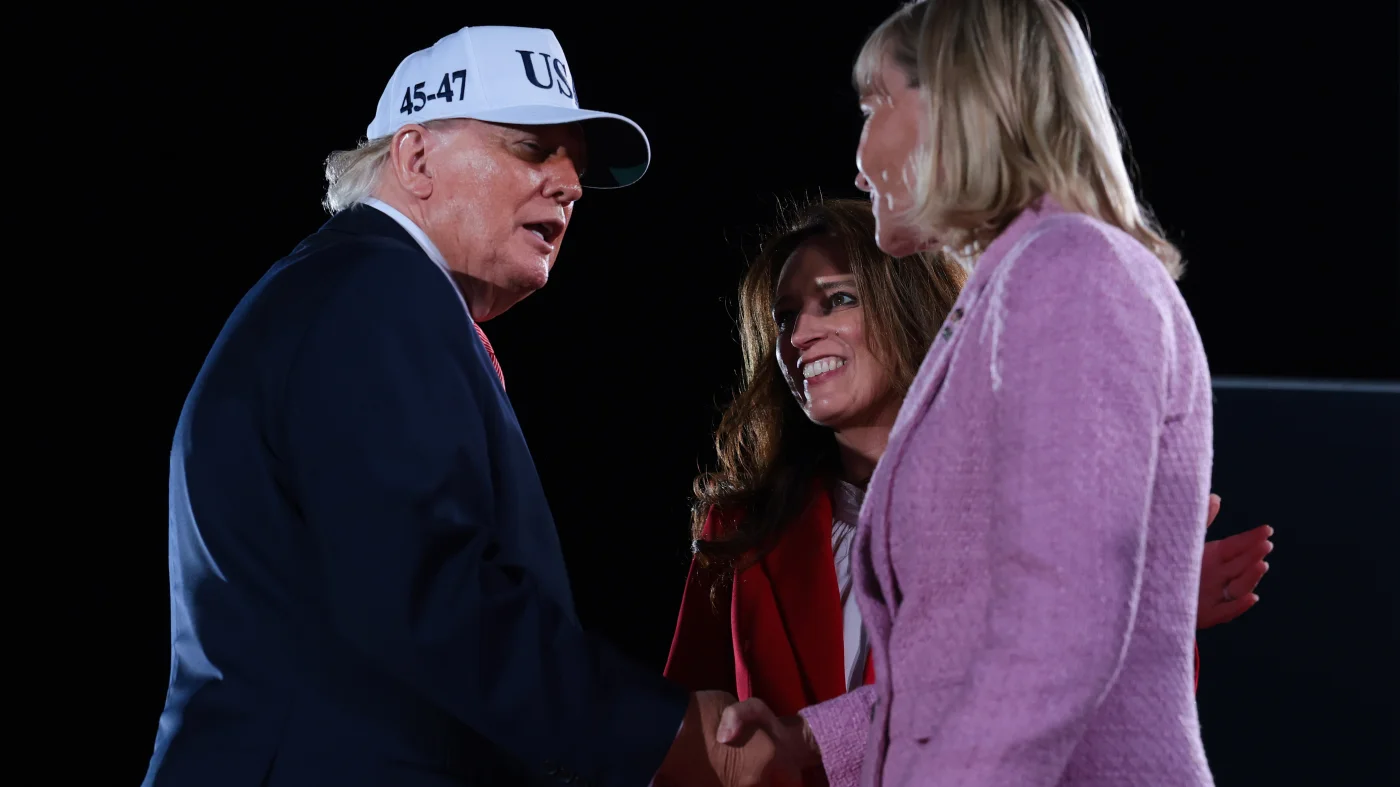
One of the most closely watched contests is in North Carolina’s first congressional district, which was redrawn to heavily favour Republicans but is now considered a toss-up. Republican candidates Laurie Buckhout and state representative Jennifer Balkcom appeared with Mr Trump at an election rally in Greenville last week.
The developments mean Republicans face a more uncertain fight for control of the House than the redrawn maps were intended to create, as Democratic candidates seek to turn the newly competitive districts into opportunities.
