


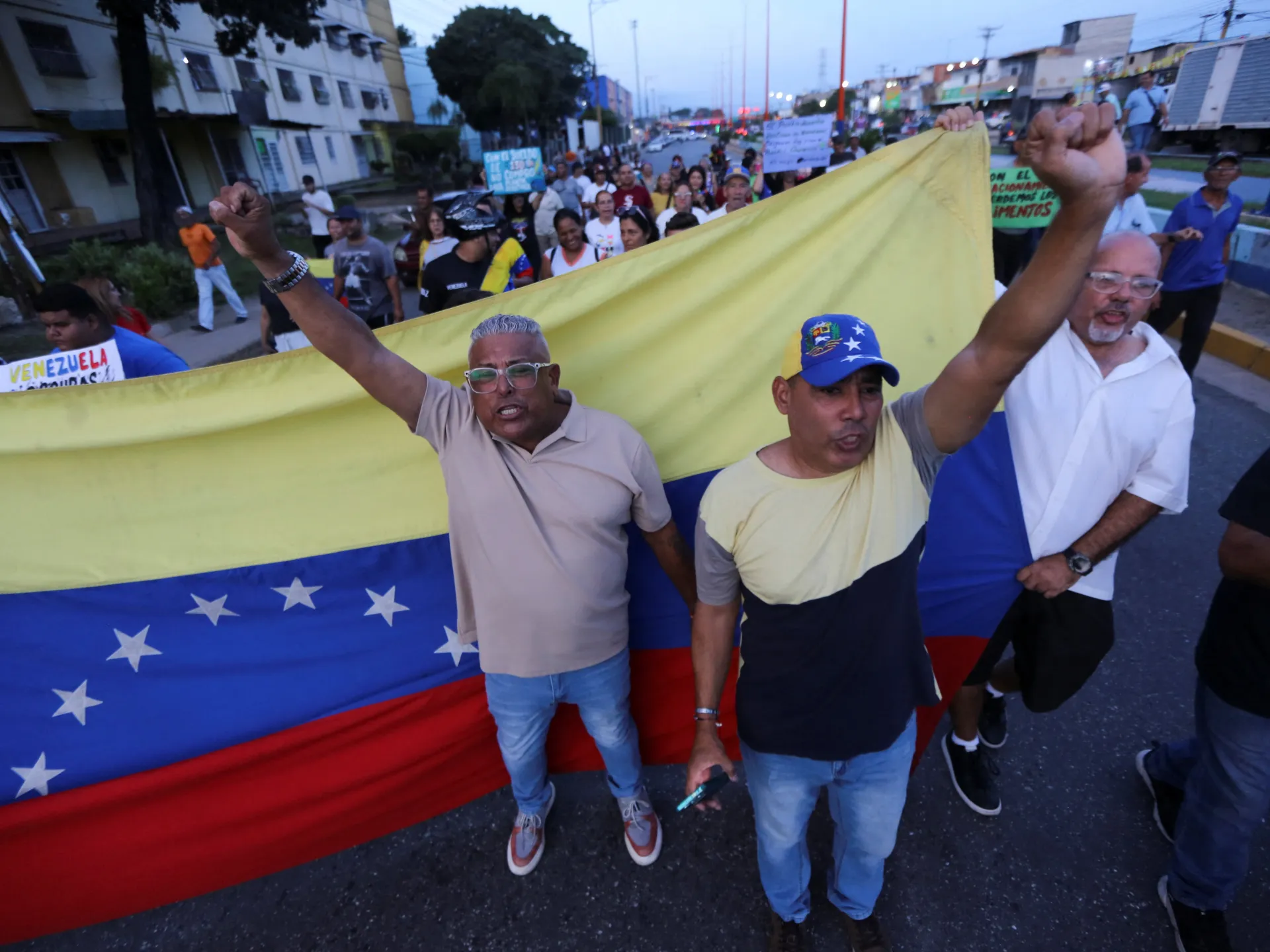
Power cuts in Venezuela have become more frequent and prolonged, disrupting essential services and fuelling growing anger among residents, including kidney patients whose dialysis treatment has been interrupted.
Onasis Munoz, 34, was undergoing one of the three weekly sessions he needs at a clinic in Valencia, Carabobo state, when the dialysis machine stopped and the lights went out.
The treatment filters waste and excess fluid from his blood, replacing work his failing kidneys can no longer perform. Munoz said outages that once occurred every few days had become daily in recent months, lasting about seven hours.
The clinic’s emergency batteries have been depleted and its backup generator is no longer working. Munoz said the interruptions had affected his treatment and contributed to a decline in his health.
“I arrive home, exhausted, as if I had run a marathon,” he said.
Electricity is often unavailable at his home too, leaving him unable to use air conditioning during recent sweltering weeks. “I cannot rest because of the heat and the mosquitoes. There’s no relief,” he said.
Power cuts fuel protests across Venezuela
The unstable electricity supply is affecting homes, businesses and essential services across Venezuela. Some outages are deliberate, with the government of interim President Delcy Rodriguez rationing electricity.
Public frustration has spilled into the streets, where demonstrators have staged “cacerolazos” by banging pots and pans. Some protests have also involved blocking roads and setting tyres alight.
The crisis has raised concerns about the management of Venezuela’s vast oil supply, a crucial source of income for the country. Patricia Cueva, a lawyer from Maracaibo, the capital of oil-rich Zulia state, said: “We are desperate. We cannot understand how a country so rich in resources can be practically left in the dark.”
“We cannot rest. We cannot work. Our children cry,” she added.
