


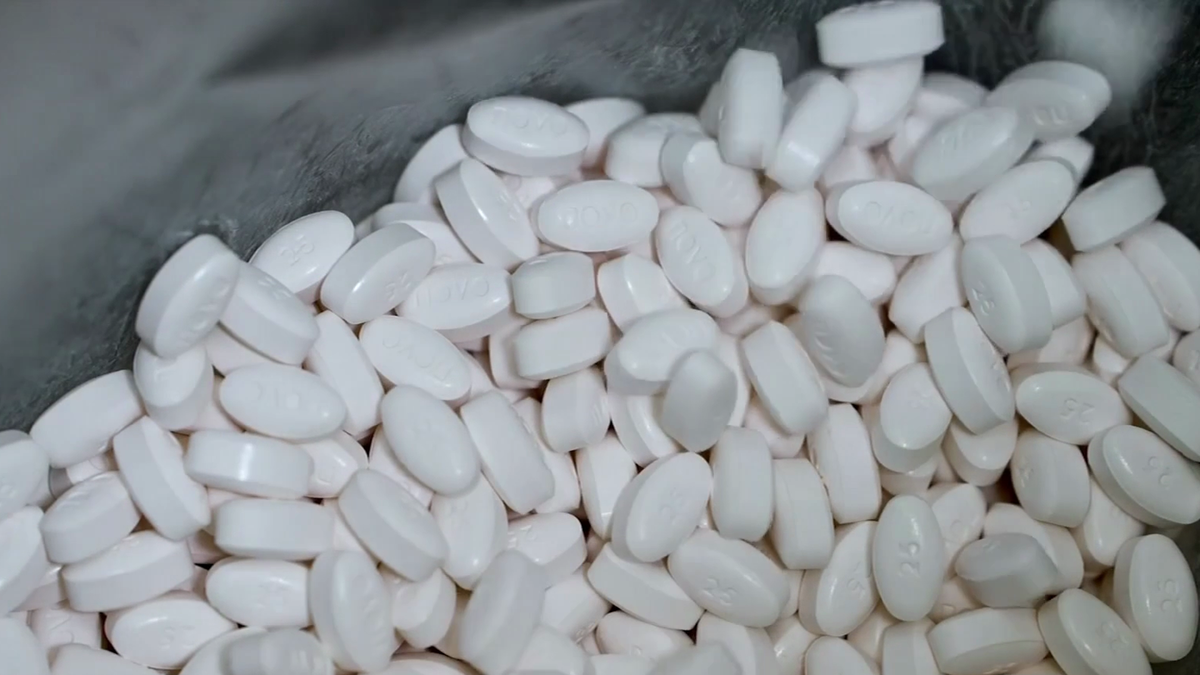
More than 10,000 people are waiting for an Ozempic-style weight-loss pill as Australian regulators consider approving a treatment already available in the US and UK.
The Therapeutic Goods Administration (TGA) is assessing the daily tablet, which could offer an alternative to weekly injections and is expected to drive a sharp rise in demand if approved.
Dr Ginni Mansberg said demand for weight-loss medication could increase by more than 40 per cent, with the pill potentially arriving in Australia by Christmas, although sometime next year was considered more likely.
“It’s exactly the same as the injections, the only thing is you take a pill a day, which to some people feels less intense,” Dr Mansberg said.
She said figures from the United States showed that 40 per cent of people who began taking the tablets had never used weight-loss injections. However, she added that the side effects were the same and the results were not quite as good as those achieved with injections.
How the Australian weight-loss pill would be taken
For people with diabetes, the treatment would cost about $5 per prescription. Most other Australians would pay the same as they do for injections, with the monthly cost reaching up to $600 depending on the dose.
Users would also have to follow strict instructions. They must not eat for eight hours before taking the tablet and must then wait another hour afterwards.
“You can’t wake up and have a coffee with milk in it and then go, ‘Oh, now I’ll take my pill’; it’s now too late,” Dr Mansberg said.
Gut-related problems are expected to be the most common side effects, as they are with the injectable treatments. Patients can feel very unwell and lose their appetite for nutritious food, including protein and fibre.
Although patients are generally pleased with their weight loss, Dr Mansberg warned that the weight could return if treatment stopped.
“The data says if you stop it, the weight comes back on. So it’s like Hotel California, you can’t really check out any time,” she said.
She added that committing to a treatment costing up to $600 a month for life would not be affordable for many Australians.
