


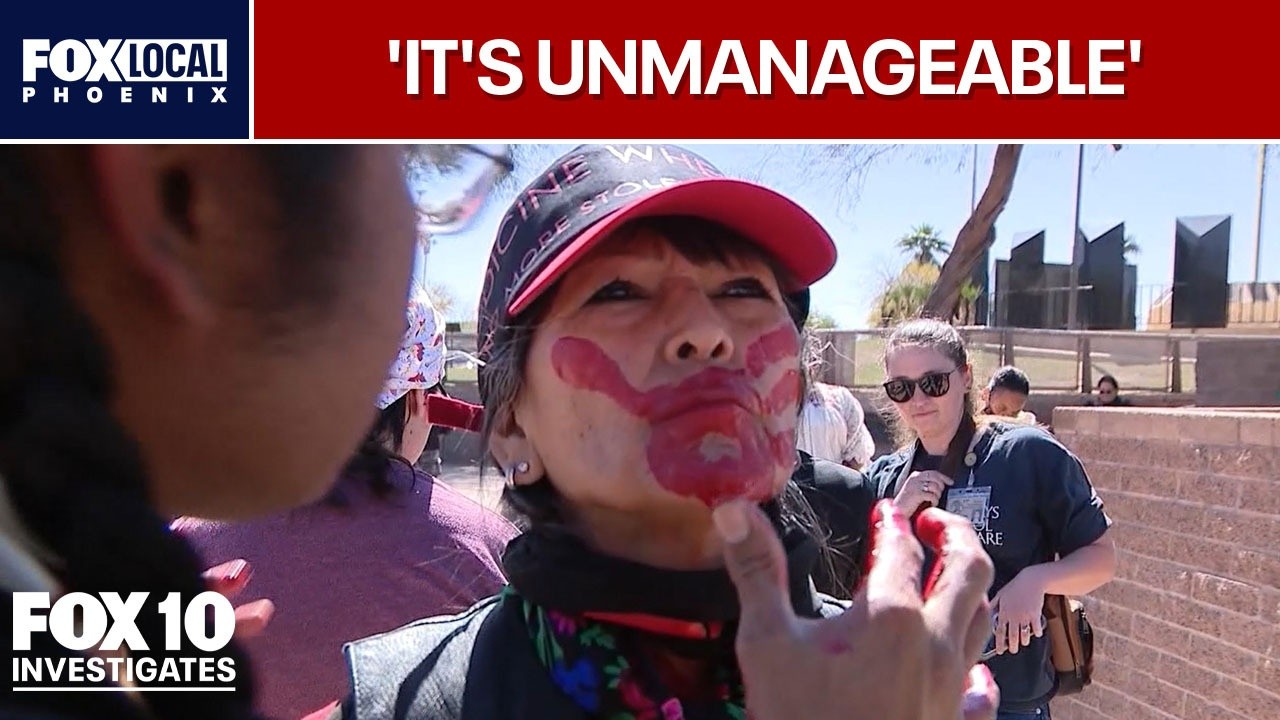
Two Bureau of Indian Affairs employees have spoken out over severe staffing shortages and a mounting backlog of missing-person and cold-case investigations, after a US Department of the Interior audit raised concerns about the agency’s handling of cases involving missing and murdered Indigenous people.
The 29-page review found that investigators in the BIA’s Missing and Murdered Unit faced “unmanageable workloads” and were being given administrative and patrol duties that took them away from investigations. The unit operates across five regions, including the south-western United States. ([fox10phoenix.com](https://www.fox10phoenix.com/news/indian-country-is-suffering-bia-whistleblowers-warn-staff-shortage-case-backlog-mmip-crisis))
As of November 2024, the unit had 83 open cases and 394 pending referrals, according to the audit. Some 72% of those referrals had been submitted between 2020 and 2023 but remained stuck in the screening process, with no clear deadline for deciding whether cases should be opened.
The audit said agents were expected to handle an average of four cold cases, in line with guidance from the National Institute of Justice, but were receiving an average of 14 referrals. The BIA had funding for 65 positions in the unit, yet only 44 were filled in October 2025, with recruitment affected by competition from better-paid federal agencies.
One employee told FOX 10 that investigators were being diverted to cover patrol vacancies at local agencies, leaving them unable to carry out their designated work. Another described responsibility for an area the size of Rhode Island being covered by just three officers, claiming they did not have even basic radio equipment.
The staff members also alleged that employees who raised concerns faced retaliation, and said shortages in patrol divisions were forcing Missing and Murdered Unit personnel to fill operational gaps. The claims have not been independently established.
The Inspector General’s report made eight recommendations, including creating a plan to clear the referral backlog, improving case-intake training, setting deadlines for reviewing referrals, filling vacant posts and ensuring families are connected with victim-support specialists.
The audit found shortcomings in support for relatives. In eight of 13 cases examined, assigned agents had not contacted BIA staff responsible for assisting victims’ families. The unit was also found to have only two victim specialists serving the country, according to reporting by the Associated Press. ([apnews.com](https://apnews.com/article/badb5fb06c3ba8c20c13217c501dc702))
The case-management problems have particular significance for Native American families seeking answers over unsolved deaths and disappearances. In Arizona, the relatives of 16-year-old Challistia Colelay are still seeking clarity almost a year after she was found dead in Whiteriver following weeks reported missing; the BIA has said her death involved possible foul play.
The Department of the Interior said in July that about 1,485 active missing-person cases involving American Indian or Alaska Native people were recorded in the FBI’s national database as of June 30. It has also said the Missing and Murdered Unit was being refocused on unresolved homicide and missing-person investigations under a new Indian Country Violent Crime Task Force. ([doi.gov](https://www.doi.gov/ocl/indian-country-mmip-crisis))
The BIA has said it has acted on most of the audit’s recommendations, including changes to the referral process and training on services for victims. The department attributed the deficiencies identified by the review to operations under the previous administration, although auditors said weaknesses in recruitment remained. ([apnews.com](https://apnews.com/article/badb5fb06c3ba8c20c13217c501dc702))
