


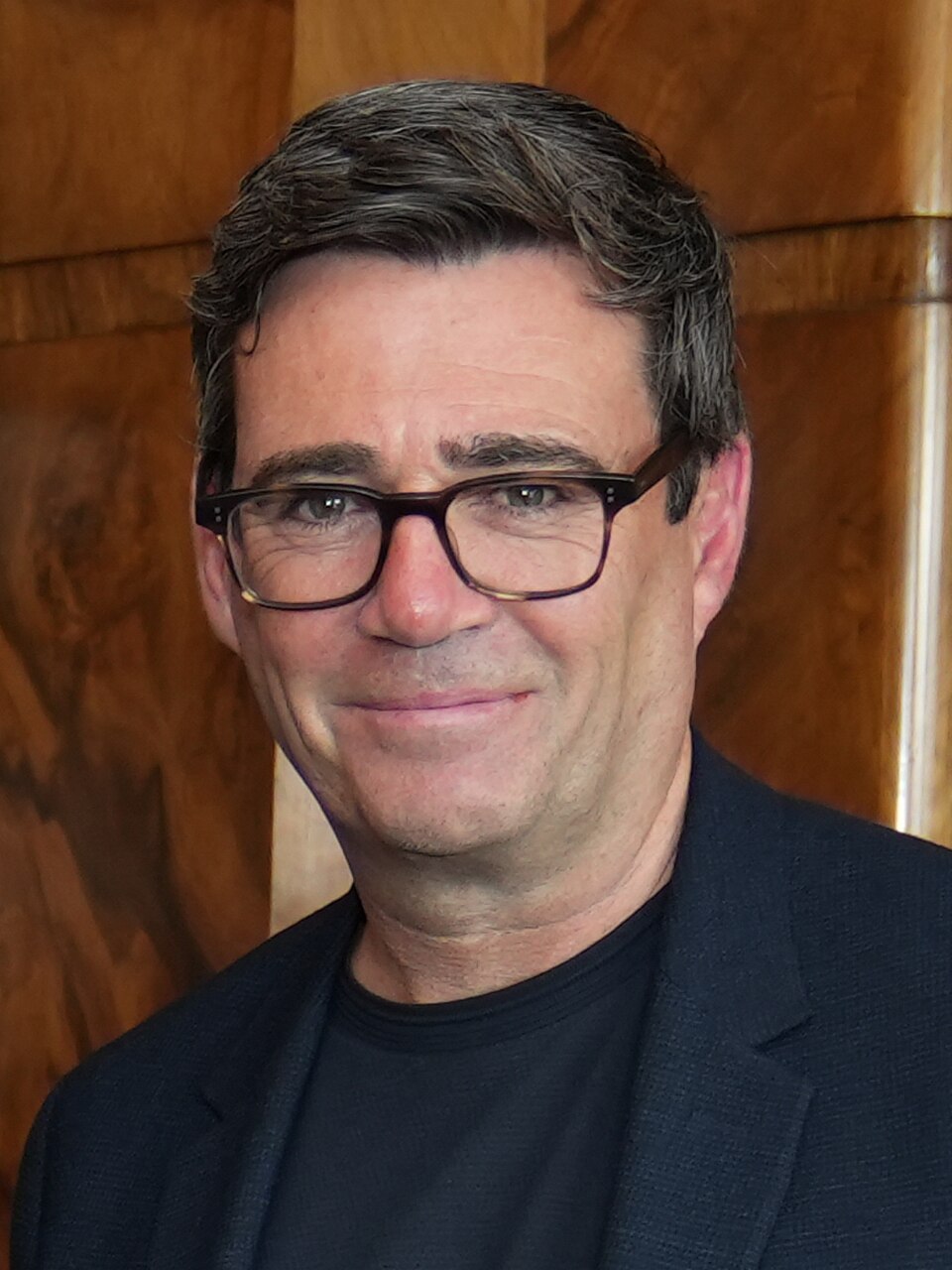
The Prime Minister said his “instincts” were to protect access to juries, citing his Hillsborough campaigning, and likened his approach to the pause he has placed on Labour’s early release scheme.
Andy Burnham has signalled that Labour’s plan to restrict jury trials in England and Wales may not survive, days after he removed David Lammy as Justice Secretary. The Prime Minister told reporters on Friday that he had “concerns” about the measures in the Courts and Tribunals Bill and was “probably looking for changes”, saying his “instincts” were that access to trial by jury should not be reduced. Mr Lammy had championed the restrictions as a way of cutting the Crown Court backlog, and his removal from the Cabinet appears to clear the way for the policy to be shelved.
Mr Burnham has yet to commit formally to dropping the reforms, but he made clear that his doubts are rooted in personal experience as much as politics. “I have my concerns about the plan to restrict jury trials, partly from my personal experience, particularly Hillsborough,” he said, a reference to his campaigning for justice over the Hillsborough disaster. “So I want to really look in detail at that proposal and my instincts are that we need to find ways of not reducing access to jury trial.”
The disputed provisions, contained in Clauses 1 to 7 of the Bill, would reserve jury trials for cases where the likely sentence is at least three years. Less serious cases would instead be decided by a single Crown Court judge sitting without a jury. Ministers argued the change was needed to tackle a backlog of criminal cases standing at around 80,000, with the Government originally estimating it would save the equivalent of about 27,000 Crown Court sitting days.
Lawyers warn of miscarriages of justice
Those clauses have attracted the bulk of the opposition to the legislation, from Labour MPs and from across the legal profession. The Bar Council, the Criminal Bar Association and the Law Society have all publicly opposed the jury trial proposals, arguing that they risk miscarriages of justice and that there is insufficient evidence they would significantly reduce the backlog.
The Bill nonetheless cleared its second reading in the Commons by 304 votes to 203 before Mr Burnham entered Downing Street. The vote exposed unease on the Labour benches, with ten of the party’s MPs voting against and around 90 not voting at all.
Door opens for Karl Turner’s return
The most prominent backbench opponent of the reforms was Karl Turner, who worked with legal bodies on an alternative that would have piloted the changes rather than restricting jury trials permanently across the country. Mr Turner, who had also criticised other Government plans under the former Labour leader Keir Starmer, was suspended from the party in March.
On Friday, Mr Burnham revealed that he had asked the Chief Whip, Anneliese Midgley, to open discussions on Mr Turner’s readmission. “I’ve asked the Chief Whip to speak to Karl and, sort of, agree a process that can be taken forward,” he said. “Obviously, addressing issues that the Chief Whip will need to discuss, but that’s where we are.”
Parallel with the early release pause
The Prime Minister likened his handling of the jury trial question to the pause he has imposed on the Government’s early release scheme for prisoners. “It’s similar to the early release scheme,” he said. “I want to get inside these issues before I confirm any of the plans that I inherited and, in fact, probably looking for changes.”
Mr Burnham and the new Justice Secretary, Alex Norris, are conducting an urgent review of that policy after the release from jail of PC Andrew Harper’s killers prompted a public outcry. Some 6,000 offenders were due to leave prison early under the Sentencing Act in an effort to relieve overcrowding, but the scheme’s planned start date of 2 September has been postponed until the review concludes.
Before entering Downing Street, Mr Burnham was reported to be planning to remove the jury trial clauses from the Courts and Tribunals Bill altogether, allowing the wider legislation to complete its passage through Parliament without being defeated by MPs or peers hostile to the changes. The rest of the Bill — which includes tribunal reforms, changes to evidence rules in sexual offence cases and measures on court administration — is not directly affected by his comments and is expected to proceed.
