


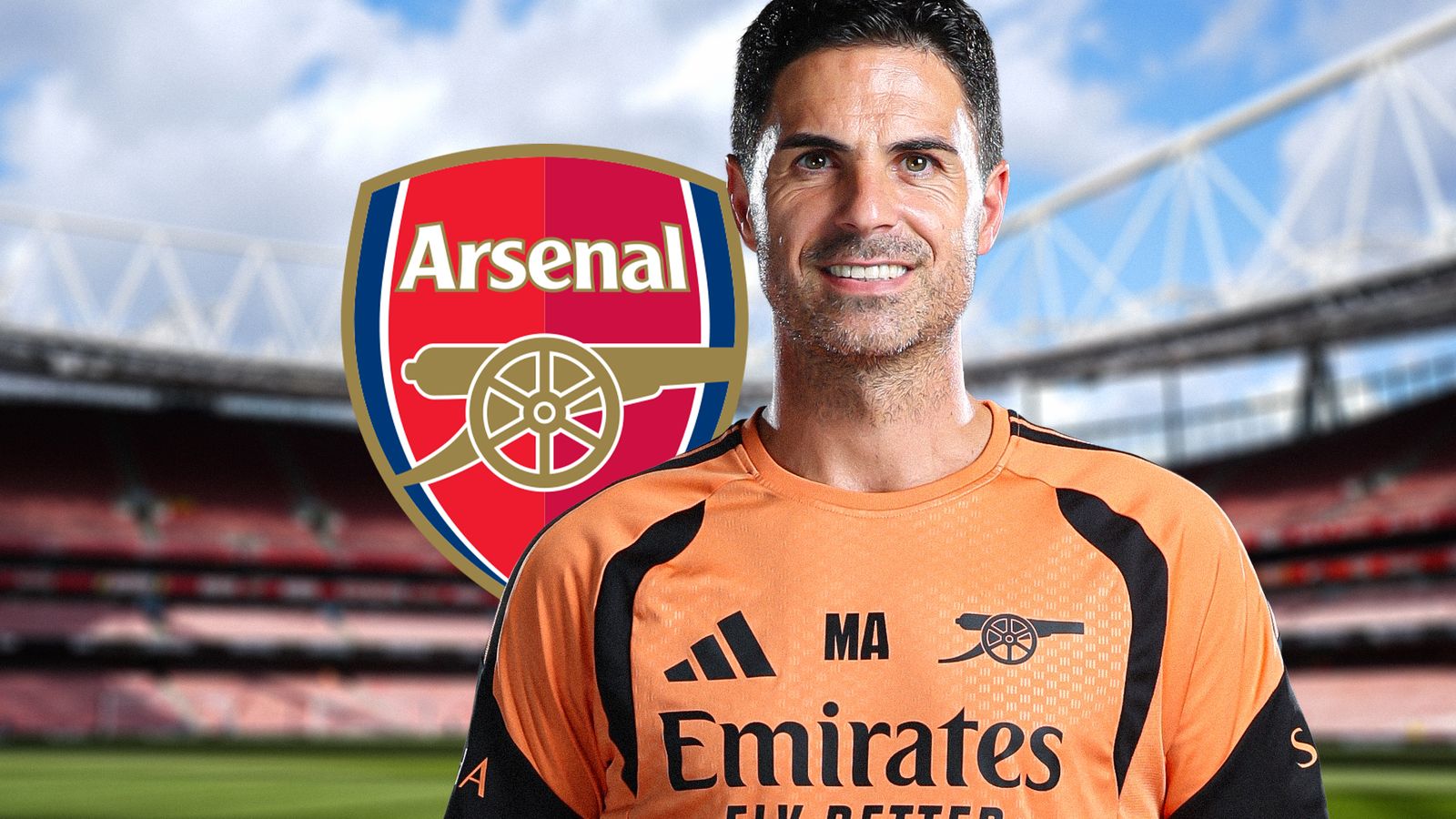
Mikel Arteta’s new contract at Arsenal marks the beginning of what has been described as the fifth and most ambitious stage of his project: building a dynasty at the club.
Arteta has transformed Arsenal since arriving in 2019, guiding them back to the top of English football and establishing a side capable of competing for major honours. The challenge now is to sustain that progress and add to the trophies already won.
Speaking during a discussion about the agreement, football analysts examined Arteta’s impact, his prospects of matching Arsene Wenger’s legacy and the demanding rebuild that may eventually face him.
Arteta’s new contract and the final stage of his Arsenal project
Arsenal’s change under Arteta has extended beyond results. Nick Wright said the club was “unrecognisable from 2019, on and off the pitch”, describing the manager as the driving force behind its transformation.
Arsenal are now winning titles and regularly reaching the latter stages of the Champions League. Their competitiveness has also become a defining feature, with Wright pointing to the contrast between the current side and the team that was once frequently bullied by opponents.
“It’s a total transformation of their identity under Arteta,” Wright said. “They are defined by that competitiveness. They are a super-competitive team, they are relentless, and that’s a reflection of the manager.”
A heavy defeat by Brighton was viewed as an exception precisely because of the standards Arteta has established. Arsenal had not previously lost a Premier League match by three goals for more than three years, underlining how difficult they have become to beat.
Sam Blitz outlined the five stages believed to have shaped Arteta’s work. The first was creating a new culture, illustrated by the story of the manager confronting the disorder in a first-team meeting room and telling his players it represented how English football viewed them.
The next phase involved recruiting players who suited his vision, including Gabriel, Ben White and Aaron Ramsdale. The arrival of Gabriel Jesus and Oleksandr Zinchenko then helped Arsenal move from rebuilding to challenging for honours.
Winning represented the fourth step, which Arsenal achieved last season. The new contract now coincides with the proposed fifth phase: the “D-word” of dynasty.
“And now we’ve got to step five, which is the D-word,” Blitz said. “Anyone associated with Arsenal will know the D-word is dynasty. And it’s interesting that this new contract coincides with that step five.”
Can Arteta match Arsene Wenger?
Arteta’s position in Arsenal’s history will inevitably be measured against Wenger, who remains regarded by many as the club’s finest modern manager. Gary Cotterill noted that Wenger made a faster start, but argued that Arteta has time on his side.
Arteta is 44 and has already signed his fourth contract with Arsenal. In three years, he will have been at the club for a decade while still being the same age Wenger was when he was appointed.
“That will be one of his ambitions, because people still think about Wenger as being the best manager, certainly modern manager, that Arsenal have ever had,” Cotterill said.
Arteta’s longevity, combined with the club’s apparent willingness to extend his stay, could give him the opportunity to challenge Wenger’s record of achievement. The immediate task, however, is to ensure the present squad remains capable of competing at the highest level.
The rebuild that could define Arteta’s next era
The next major test may come when Arsenal’s current core begins to age. Blitz identified Gabriel, Martin Odegaard, Declan Rice, Kai Havertz and David Raya as players likely to be central to the project, but all would be at least 30 by 2029.
That could require Arteta to oversee another major reconstruction rather than simply refine the team he has assembled. Blitz said the rebuilds faced by Jurgen Klopp at Liverpool and Pep Guardiola at Manchester City had proved particularly damaging, and questioned whether Arteta could create an entirely new side when that point arrives.
Arteta’s age and the fact that Arsenal is his first managerial job may give him more time to manage such a transition. His ability to renew the squad without allowing standards to fall will be central to the dynasty-building ambition attached to his new contract.
The manager’s approach to attacking football has also been debated. Arsenal have been criticised for relying heavily on defensive organisation and set-pieces, but Wright said that approach was partly a response to injuries and a pragmatic way of maximising results.
When Havertz, Bukayo Saka and Odegaard were all fit for a full season, Arsenal scored a club-record 91 goals — more than any Arsenal side managed by Wenger. Wright argued that Arteta had adapted to circumstances rather than deliberately abandoning attacking football.
“He would like to return Arsenal to that level of attacking potency,” Wright said. “I don’t think he’s wilfully turned them into something else. He has adapted. He is pragmatic.”
That pragmatism is accompanied by a ruthless streak, according to Cotterill. He compared Arteta with Jose Mourinho, citing the manager’s willingness to move on players who no longer fulfil their role, regardless of their previous relationship with him.
Cotterill also pointed to Arteta’s increasingly forceful criticism of officials and refereeing decisions. That combination of tactical flexibility, high standards and ruthlessness has helped shape the Arsenal side that now enters the next stage of its development.
